
Be still…
A little warmer this morning as we head towards summer. Perfect for riding.

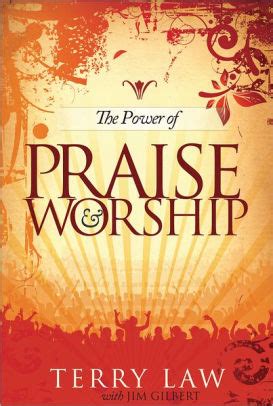
Praise is a reversal of original sin, a direct rebuttal of satan’s vow to “be like the Most High” (Isa. 14:14). Psalm 22:3 says the Lord is “enthroned in the praises” of His people. Our praises are the throne from which He chooses to exert His authority. Satan, and Adam after him, tried to dethrone God. Praise enthrones Him. Terry Law


Scripture
You know that Stephanas and his household were the first of the harvest of believers in Greece, and they are spending their lives in service to gods people. I urge you, do your brothers and sisters comma to submit to them and others like them who served with such devotion.
Observation
Paul advises the Corinthians that, in order to send a donation to the church in Jerusalem, they should put aside a portion of their money each week.
Paul is planning to come to Corinth and spend some time with them. He urges them to welcome Timothy and not to intimidate him.
Stephanas and his family were the first believers in Greece have spent themselves serving God’s people. Therefore, they should submit to him.
Paul concludes the letter with some personal greetings.
Application
Stephanas and his household have been faithful servants of the Lord and His people. Paul says that they have spent themselves, which suggests costly, faithful, and unrelenting work. People like that are a rare treasure in the church. They give themselves entirely to serving the Lord.
This is not just about pastors and other employed church leaders. I know of people who are faithful to God in this kind of way in their businesses or at work, as well as pouring themselves out their leisure time.
Because of the sacrificial service, Paul says that the church should submit to them. The people who serve in this way are the ones who become the leaders in the church. Jesus said that if anyone wants to be a leader, they must become the servant of all.
To be a leader is above all else to be a servant.
Prayer
Lord, I thank you for the people in my life who show such devotion and faithfulness to you and to your people. Please pour out your blessings on them today. Amen.
Here is my commentary on Ephesians 6:16. I am publishing these once or twice a week, but you can read all of the available articles at our web-site, http://www.new-life.org.au
“With all these things, take the shield of faith, with which you will be able to quench all the flaming arrows of the evil one.”
Some translators take the phrase ”with all these things” to be “over all these things.” The Roman shield was a body length protection from arrows and other projectiles. The shield could be carried over head to protect from arrows fired from above. When enemies covered their arrows with cloth soaked in pitch and set on fire, the shields themselves were protected by leather soaked in water.
The shield was an all-purpose protection from weapons before they even made contact with the armour.
Again Paul reminds us of the war of the spirit in which Christians are engaged. The enemy is constantly assaulting us in all kinds of ways to probe for any fatal weakness.
The flaming arrows may take the form of temptations. We all have weaknesses that we easily fall prey to. In many ways, these are automatic in the sense that there are triggering events every day that exist just because of the fallen world in which we live. A person with a weakness for lust, or greed, or pride, will not need too many promptings from the evil one before their thoughts have been hijacked.
Emotions that undermine faith can also be arrows that can pull us down. Fear and anxiety are two such emotions. If I allow anxiety to dominate my feelings, then I am being disobedient to Christ who repeatedly commanded us not to be anxious about anything but to trust our heavenly Father (Matthew 6:25-34).
Accusations from other people can likewise be arrows that attack our faith, especially when they seem to be unfounded. We may be mocked for our faith, or our motives may be misunderstood. In these ways, satan turns our desire for approval by others into arrows that wound our relationship with God.
Like arrows, fiery or otherwise, the key features of these attacks is that they come upon us without warning. An arrow was launched from a distance away, possibly before the victim knew the assailant was even there, and it came silently.
We need to be constantly aware of the presence of the enemy, and ready to come under fire. We must prayerfully analyse our own weaknesses so that when we are tempted then we can stand firm in the lesser temptations as well as the greater ones.
It is faith that protects us from the fiery arrows of the evil one.
Faith understands that when our emotions are under attack, God is greater than our fears. Faith determines that God has promised to care for his children and that he is faithful. When anxiety or fear threaten to overwhelm us, faith looks to the Father, not to the circumstance.
Faith is the shield that protects from temptations. Since the Garden of Eden, satan has attempted to undermine the commands of God (“Did God really say?”), and the goodness of God (“God knows that you will be like Him”). All temptation comes down to denying either the word of God or the character of God. When we know God by faith, and trust him for who He is, the power of temptation is quenched.
To hold a shield in place under sustained attack requires strength and stamina. As we walk with the Lord and engage in battles over a lifetime, we discover that our strength to apply the shield, and hence quench those arrows, actually grows. Whereas some people become discouraged or accepting of their weaknesses, people of faith learn to hold firm their shields in ever increasing intensities of attack from the devil.
In doing this, we can have great victory in the ways of the Spirit.

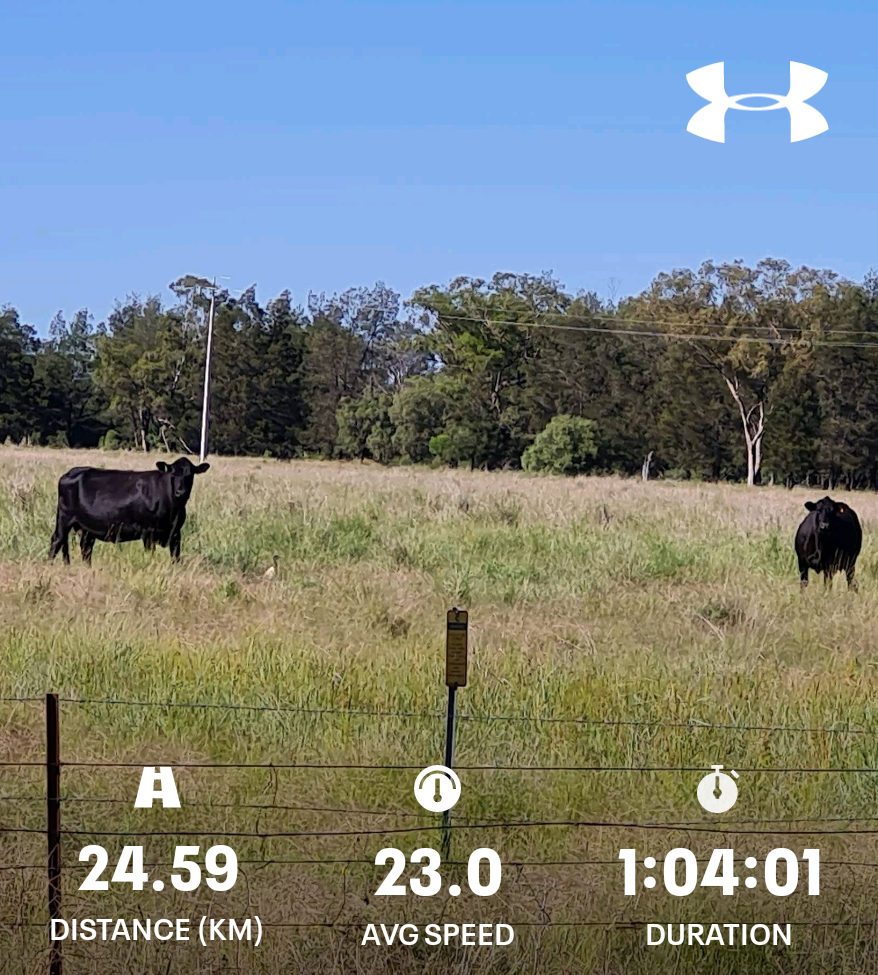
Another beautiful morning, Happy days for cattle with lots of pasture about.
Benjamin Shuhyta shares 5 reasons why Voluntary Assisted Dying is not a good idea.
From The Gospel Coalition

A friend of mine shares with me how she’s watching her mother die slowly. The matriarch of the extended family, always feared dementia and initially joked to her children that she’d rather die. It may have started as joke, but it turned into a plea as her personality slowly retreated. Raw in her grief, her daughter’s angry question is posed by wives, husbands and children in nursing homes across the globe: ‘If it were a dog, you’d sooner shoot it than watch it suffer. Why should my mother deserve any less?’
You’d sooner shoot a dog than watch it suffer. Why should my mother deserve any less?
My friend’s premise is valid: In NSW, ending life is already permitted in certain circumstances—for animals, including injured pets and wildlife. Euthanasia is the intentional and premature ending of a life due to the belief that the subject would be ‘better off dead’. It is best understood from a consequentialist ethic: That the result (an end to suffering) justifies an otherwise immoral method (the deliberate ending of life). As my friend’s rhetorical plea suggests, one response to the suffering of terminal illness is to permit the premature and intentional end of a human’s life.
In mid-October 2021, NSW MP Alex Greenwich presented a Bill to enshrine a modified form of human euthanasia into NSW law. A week later, his Voluntary Assisted Dying Bill 2021 was referred for parliamentary review, delaying any result by several months at least. As the Bill’s name indicates, the ethical considerations for euthanasia include whether the subject dies of their own will (in this case, voluntarily) and who takes the final step in the process (in this case, the patient, assisted).
Supporters of voluntary assisted dying are quick to point out that it’s not euthanasia: The patient not only requests it, but the patient also completes the act—armed with a prescription of lethal chemicals, the patient self-administers. Such a system, proponents say, gives autonomy and dignity back to the dying, saving them unnecessary agony, returning to them some of the power that disease has cruelly taken from them. The end justifies the means. However, for several reasons, this argument is not compelling.
Read the rest of the article here
We are kings who represent the King of kings to the people of the earth. That is our ministry of reconciliation. But we also are “priests to our God,” representing the peoples of the earth to our High Priest. Terry Law
 New Life Narrabri