Highly effective small group leaders build several disciplines into their schedule. One that is often overlooked, but highly important, is the habit of inviting new people to the group. Dave Earley
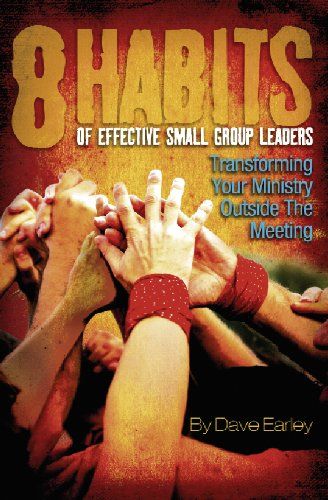
Highly effective small group leaders build several disciplines into their schedule. One that is often overlooked, but highly important, is the habit of inviting new people to the group. Dave Earley
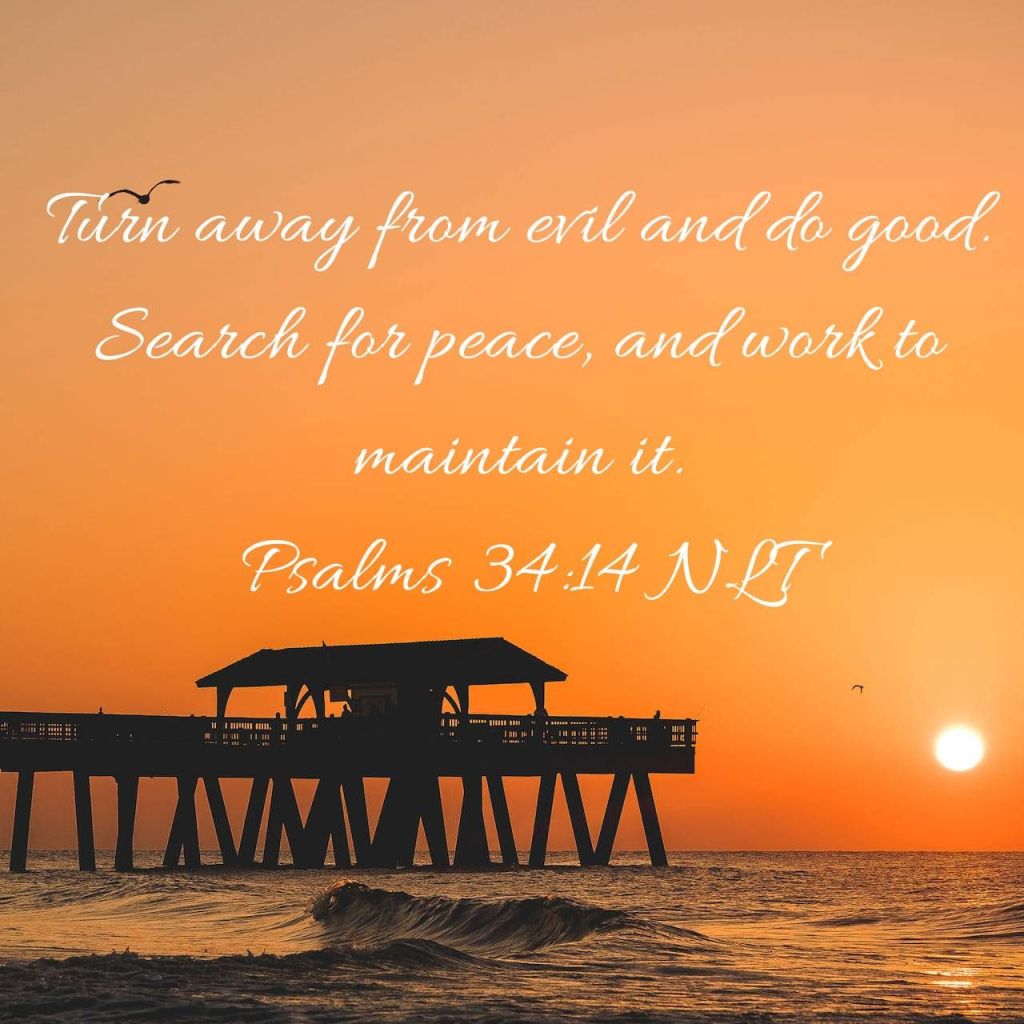
Nice ride out to Jacks Creek and Gun Club Roads this morning. #cycling #narrabri #Biketooter


There are different kinds of fasting, in the same way that there are different kinds of prayer or different forms of worshipping. All are offered to God as our holy sacrifice.
Firstly there is the complete fast. Usually this involves just giving up food for a specified period of time- perhaps a day, two days, a week. At the beginning of His ministry Jesus fasted for 40 days in the wilderness. We are told that He was hungry, not that He was thirsty. Jesus would have drunk water during this time.
In a complete fast, people sometimes allow themselves fruit juice to maintain their sugar levels. I drink tea as normal, sometimes with milk but sometimes black. Even though fasting is a discipline, we have freedom within the discipline.
Secondly there is the absolute fast, which includes abstaining from water or any other fluid. This should be done very carefully as our bodies do need water, especially during hot weather or physical exertion. During the month of Ramadan, devout Muslims engage in this type of fast during the daylight hours only. So an absolute fast might just go for the day time, or 24 hours maximum.
Finally, there is the partial fast. People sometimes choose to go without things that they consider to be luxurious food items. The most widely known partial fast is the so-called Daniel Fast. There are actually two fasts mentioned in the book of Daniel.
In Daniel 1, Daniel asks for his friends and himself to be given just fruit and vegetables and spared from the richer foods of the King’s table. These would have been considered unclean in Israel’s dietary laws. This was initially given on a trial basis for ten days, but then they were allowed to continue.
Then in Daniel 10, Daniel enters a special time of “mourning” that involved abstaining from wine, meat and fine food for 21 days. During this time he undertook special prayers for his people. Often a Daniel fast is considered to allow fruit, vegetables and grains, but exclude things like cakes, fine pastries and sweet desserts.
It is important that we do not get hung up on rules about fasting. Decide in prayer what kind of fast you will undertake and for how long. Pick a particular prayer project that God is laying on your heart and make that the focus of your prayers in that time.
In the past I have only ever done a sunrise to sunset type fast, that is fasting until the evening meal. Recently the Lord led me in a whole day fast, that is eating nothing at all from when I got up in the morning until I went to bed at night. That was harder, but still doable. I believe that in the upcoming Lent season I may do a number of these fasts, and maybe even a two day fast.
Whatever kind of fast you do, just do it to the glory of God. If you fall down and fail to complete the fast, don’t get discouraged. Learn from your mistakes and try again later.
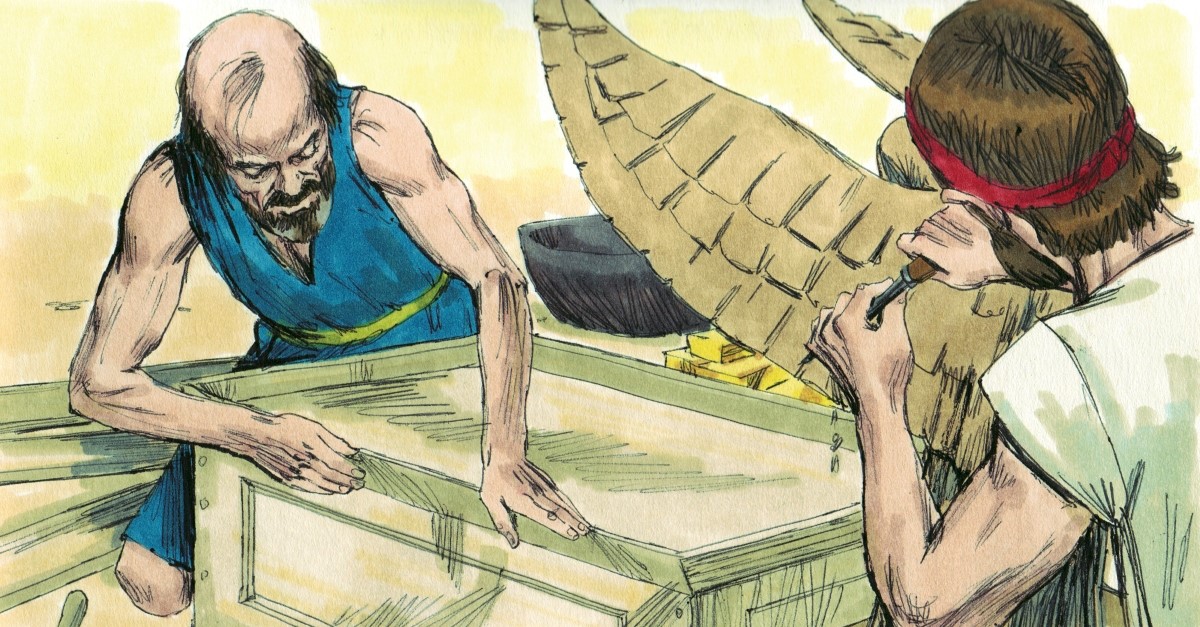
The sermon for January 14th 2024 is now available on the New life web site.
In this sermon, which is based on Exodus 31:1-6, Margaret Baxter talks about God’s Influencers.
Click here to listen or to download the message
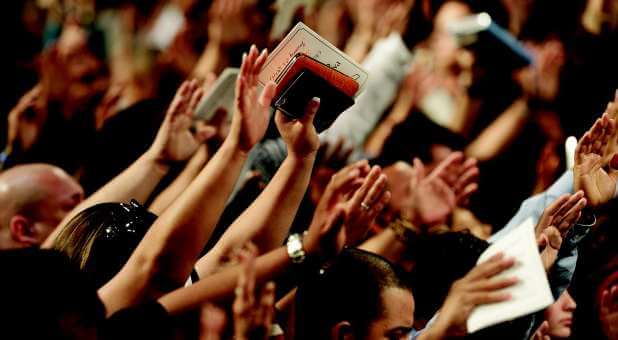
From Charisma
Every year, many prophetic words are given to start the new year. Many prophetic words are just repetitive rewordings of previously hyped-up words. However, are they really prophetic words? With all the prophetic lunacy in much of the charismatic church over the last few years, we need to revisit the prophetic standards statement as a guide for church movements and Christ followers.
Also, I encourage you to check out the 2023 review of prophetic words given last year by Remnant Radio.
To aid the body of Christ in developing discernment, the following is a summary of some of the standard generic words or phrases that appeal to many despite the fact they rarely come to pass.
The following are some generic prophetic hype buzzwords:
1. There will be a wealth transfer this year. In the past few decades, I have often heard many words like this that I have lost count. The truth is that many people who believe in these words are still in the same financial position year after year. Even though I have seen some individuals go from poverty to wealth quickly by utilizing faith, creativity and hard work, the Scripture regarding wealth transfer implies that it takes several generations. Hence, it usually entails parents instilling practical life skills and biblical discipleship into the next generation, imparting money management skills and life principles that result in a wealth transfer from the wicked to the seed of the righteous (Prov. 13:22).
2. A great revival is about to take place. For many years, prophetic words have been used, promising an imminent revival that will shift the nation. Words like these tickle the ears of vast prophetic adherents but have yet to come to pass despite many local outbreaks that have come and gone through the years. Also, many local church pastors have told me that a prophet came to their church and said their church would be the center of a great revival in their city. However, in every city I visited, I met a pastor with the same word. Even within the same city, multiple pastors received the exact word about their local church.
Can a prophetic word predict a revival? Of course! However, pastors should not build their entire ministries upon these prophetic words.
3. All your adversaries shall come, bow down and repent to you. Some iterations of Isaiah 60:14 have been given numerous times to multitudes through the years regarding a promise of adversaries repenting to them. However, these kinds of words are conditional and do not come to pass without a Christian exhibiting humility, brokenness, forgiveness and unconditional love toward those who hate them (Matt. 5:44-45).
4. This is the season of your elevation. I have heard this kind of word spoken over people online and in some conferences too often. However, walking in Christlike humility is always the conditional precursor to God lifting a person up whether they receive a prophetic word or not. The written word promises this for those who live for the glory of God (1 Pet. 5:6).
5. God is sending you to the nations. I have heard this prophetic word spoken over people more often than any other word on this list. What does this mean? Since all the nations have come to major cities like NYC, believers no longer have to cross an ocean to minister to the nations. Unfortunately, traveling prophets often give words like this to people, resulting in them becoming distracted from serving and committed locally to their own congregation. They are always looking to leave to fulfill that prophetic word rather than stay home to make a difference. Can a word like this be legitimate? Of course. However, I wish more prophetic people would give words that help build up the local church rather than prophetically sending all gifted people out of their church.
6. Using a New Year’s rhyme to prophetically predict what’s to come. In late 2019, I heard prophets say things like, “2020 will be the year of 20/20 vision,” essentially a year when there will be an acute level of prophetic accuracy. However, it may have been the year with the most inaccurate prophetic declarations as virtually few, if any, foresaw the looming global pandemic and the failure of Trump to get reelected.
Another word I heard in late 2019 was that 2020 would begin the so-called Roaring ’20s, when the power of God and great revivals would break out. Thus far, nothing implied in this prophetic rhyme has occurred nationally except perhaps in some local areas in North America and beyond.
Furthermore, before 2024, I’m sure there were words such as “There will be an open door in 2024,” and in the coming years, there may be prophetic declarations like “You’re gonna thrive in 2025” or “Everything will be fixed in 2026” or “2027 will be an open heaven ….” You get the picture. It’s almost as if these so-called prophets think God depends upon man-made calendars to shift His actions or focus.
7. Hebrew calendar usage. Many popular prophetic people use the Hebrew calendar or alphabet to predict what is to come. Unfortunately, most of these words (sometimes interspersed with symbolic visions and dreams) are so complicated that very few people understand the totality of what’s being communicated, which makes it challenging to edify the church (1 Cor. 14:3, 11-12). Furthermore, this utilisation of the Hebrew calendar can sometimes be considered by some to be a form of Kabala, which is Jewish mysticism.
I have no issue with people attempting to understand the importance of certain times of the year corresponding with a Jewish feast in Scripture (the Feast of Trumpets, the Day of Atonement, Passover and Pentecost, to name a few). My point here is that we must be careful with prophetic words that are so mystical that they are either too difficult to interpret or can be interpreted in numerous ways.
Those who don’t have a set time for prayer rarely take the time to pray. Great people of prayer speak of their appointments with God. Most agree that the when of the time is not as important as having a time. Dave Earley
Think back on your most memorable road trip.
It had been a fairly reasonable road trip.
We travelled from home to a wedding in Port Macquarie where we stayed a couple of nights. The wedding was idyllic, right on the river, followed by a party that it seems only Filipinos can pull off.
We travelled up the coast to Maclean and thence to Queensland. At Warwick we visited a friend, before going to Toowoomba to visit our daughter and son-in-law.
Rain in our part of the world had caused flooding. The direct route via Moree was blocked. No problem, take the slightly longer but more scenic route down the New England Highway.
We got to Tamworth, normally a two hour drive from home. We learned that the road to Gunnedah was closed, but we thought we could head further south and bypass the flooded roads.
It was not to be. At one stage, a reasonable looking road got smaller and smaller until, just beyond a rise, the descent went into a raging torrent that normally does not exist. After a ten point turn, desperately trying to avoid the mud that could leave us bogged, we went back to Tamworth for the night.
The next morning we were able to get home, but only by a detour that added another two hours to the journey.
It was so good to get home.
A 5 hour journey took over 24 hours.

 New Life Narrabri