Fish and Intelligence

This Tiny Fish Passed an Intelligence Test That Once Distinguished Great Apes

From Science Reports
ByJess Cockerill

This Tiny Fish Passed an Intelligence Test That Once Distinguished Great Apes

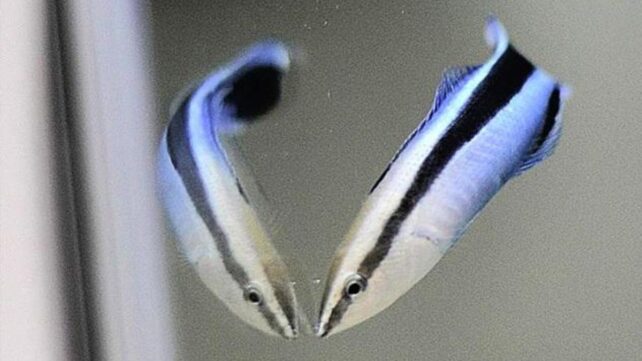
A cleaner wrasse in front of a mirror. (Osaka Metropolitan University)

A tiny fish has shown signs of a remarkable level of intelligence in mirror test experiments, not only recognizing itself in the reflection but also using a piece of food to explore how the mirror works.

Mirror mark tests are a standard scientific experiment used to explore animal self-recognition, gauging how similar other species’ intelligence might be to our own.

Fixing your smudged eyeliner on seeing your reflection is a clear sign of self-recognition. You know the smudge on your face is out-of-place, and you can use the reflection as a proxy for pinpointing exactly where to wipe the smudge away.

In theory, a reaction to an out-of-place mark in a reflection is assumed to be evidence of self-recognition for other animals as well. Chimpanzeeselephants, and dolphins are just some that have passed this mark test, which many regard as a sign of intelligence similar to our own.

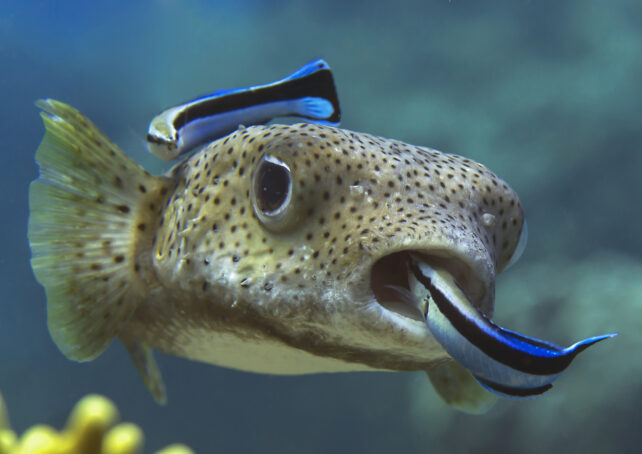
The cleaner wrasse (Labroides dimidiatus) is a finger-sized marine fish that earned its name by eating the parasites and dead tissue it finds on other, larger fish. It was first reported to pass the mirror test in 2018.
Tiny Fish Show Astonishingly Mammal-Like Intelligence in Mirror Experiments
In the wild, the wrasse are known for their fastidious cleaning services. (hansgertbroeder/iStock/Getty Images)

It’s not hard to see why the cleaner wrasse would make for a good candidate. Its modus operandi is cleaning stuff off fish, so perhaps if it saw a parasite-like mark on its own body, it would similarly be compelled to use the mirror to ‘freshen up’.

Though the 2018 study reported that the fish had passed, the mirror mark test’s founder, evolutionary psychologist Gordon Gallup, told New Scientist he believed the fish in these experiments were mistaking the marks on their own bodies for parasites on other fish.

Now, a team from Osaka Metropolitan University in Japan and the University of Neuchâtel in Switzerland has tweaked the experiment to test the wrasse’s self-awareness even further.

“In earlier cleaner wrasse mirror studies, the procedure was typically the fish see a mirror for several days, they habituate to it and stop reacting socially, and a mark is added,” animal behavioralist Shumpei Sogawa from Osaka Metropolitan University in Japan explains.

“In this study, the order was reversed; the fish were marked first, then the mirror was introduced for the first time. The fish were likely aware of something unusual on their body, but they couldn’t see it. When the mirror appeared, it immediately provided visual information that matched an existing bodily expectation, hence scraping occurred much faster.”

While it’s far from a perfect control, this goes some way to improving the initial experimental design, giving the fish time to identify the ‘parasite’ on their own body before encountering their reflection.

The scientists were surprised by how fast the fish reacted in these new experiments: on average, they tried to rub off the ‘parasite’ within about 82 minutes. This, they say, implies self-awareness before being exposed to the mirror.

After the fish had several days to get used to the mirror, the scientists noticed some performing an unusual behavior. They would pick up a little piece of shrimp from the bottom of the tank, carry it over to the mirror, and drop it.

As the mirror-shrimp fell in sync with the real thing, the fish followed the reflection closely, touching the mirror surface with their mouths.

Sogawa and team believe this is the fish’s way of exploring the mirror’s properties, using an object separate from themselves to better understand how the reflected images work.

This kind of ‘contingency testing’ and mirror tool use has been observed in several other species that failed the mark-based mirror test, including pigsrhesus monkeysmanta rays, and corvids.

Related: Cephalopods Pass Cognitive Test Designed For Human Children

“The findings from this research will likely influence not only academic issues, such as revising evolutionary theory and constructing concepts of self, but also directly impact matters relevant to our lives, including animal welfare, medical research, and even AI studies,” says biologist Masanori Kohda, who was involved in both this new study and the original paper on cleaner wrasse self-recognition.

The team says these findings suggest self-awareness, once thought to be unique to great apes, is actually a skill that may have arisen in a much wider range of animals, including fish.

“Our results suggest that self-awareness evolved at a minimum with the bony fishes (450 million years ago) and is likely widespread across vertebrates,” they write.

The research was published in Scientific Reports.
Is it time to unleash carp herpes?

Carp are a terrible plague in Australian waterways. There is a control measure being considered, but is now the right time to introduce it?

From National Geographic:

Is it time to unleash carp herpes?

By Ivor Stuart, Charles Sturt University; John Koehn, Charles Sturt University; Katie Doyle, Charles Sturt University, and Lee Baumgartner, Charles Sturt University  January 30, 2023
 Reading Time: 5 Minutes  Print this page
Exploding carp numbers are ‘like a house of horrors’ for our rivers.

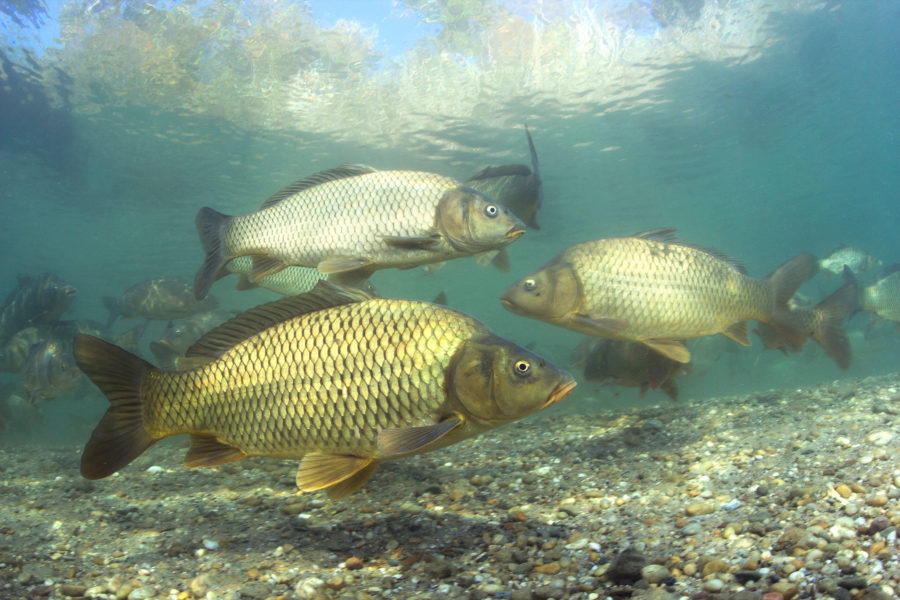
With widespread La Niña flooding in the Murray-Darling Basin, common carp (Cyprinus carpio) populations are having a boom year.Videosof writhing masses of both adult and young fish illustrate that all is not well in our rivers. Carp now account for up to90%of live fish mass in some rivers.

Concerned communities are wondering whether it is, at last, time for Australia tounleash the carp herpes virusto control populations – but the conversation among scientists, conservationists, communities and government bodies is only just beginning.

Globally, the carp virus has been detected inmore than 30 countriesbut never in Australia. There arevalid concernsto any future Australian release, including cleaning up dead carp, and potential significant reductions of water quality and native fish.

As river scientists and native fish lovers, let’s weigh the benefits of releasing the virus against the risks, set within a context of a greater vision of river recovery.

A house of horrors for rivers

Carp are a pest in Australia. They cause dramatic ecological damage both here and in many countries. Carp werefirst introducedin the 1800s but it was only with “the Boolarra strain” that populations exploded in the basin in the early 1970s.

Assisted by flooding in the 1970s, carp have since invaded92%of all rivers and wetlands in their present geographic range. There have been estimates of up to357 million fishduring flood conditions. This year, this estimate may even be exceeded.

Carp are super-abundant right now because floods give them access to floodplain habitats. There, each large female can spawn millions of eggs and young have high survival rates. While numbers will decline as the floods subside, the number of juveniles presently entering back into rivers will be stupendous and may last years.

The impacts of carp are like a house of horrors for our rivers. They cause massive degradation of aquatic plants, riverbanks and riverbeds when they feed. They alter the habitat critical for small native fish, such as southern pygmy perch. And they can make the bed of many rivers look like the surface of golf balls – denuded and dimpled, devoid of any habitat.

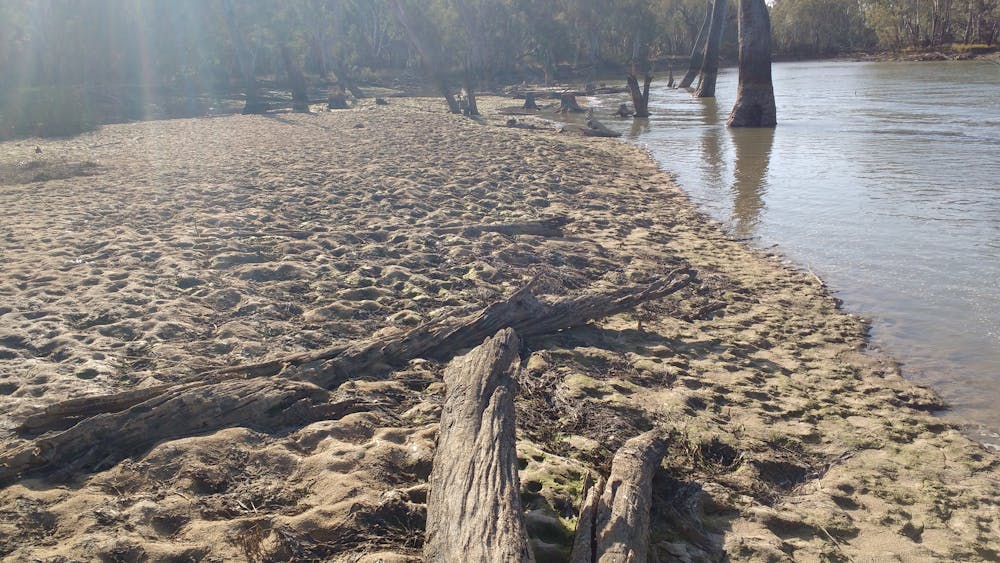
Dimpled riverbed
Adult carp usually search for food at the bottom of rivers, stirring up sediment and creating dimples on the riverbed. Image credit: Ivor Stuart, Author provided

Most strikingly, this feeding behaviour contributes to turbid rivers, reducing sunlight penetration and productivity for native plants, fish and broader aquatic communities.

Carp truly are formidable “ecosystem engineers”, which means they directly modify their environment, much likerabbits. Their design leads to aquatic destruction of waterways.

We know when their “impact threshold” exceeds88 kilograms per hectareof adult carp, we see declines in aquatic plant health, water quality, native fish numbers and other aquatic values. At present, we expect carp to far exceed this impact threshold. For river managers, the challenge is to keep numbers below that level.

Read the full article here

Some Fish Photos

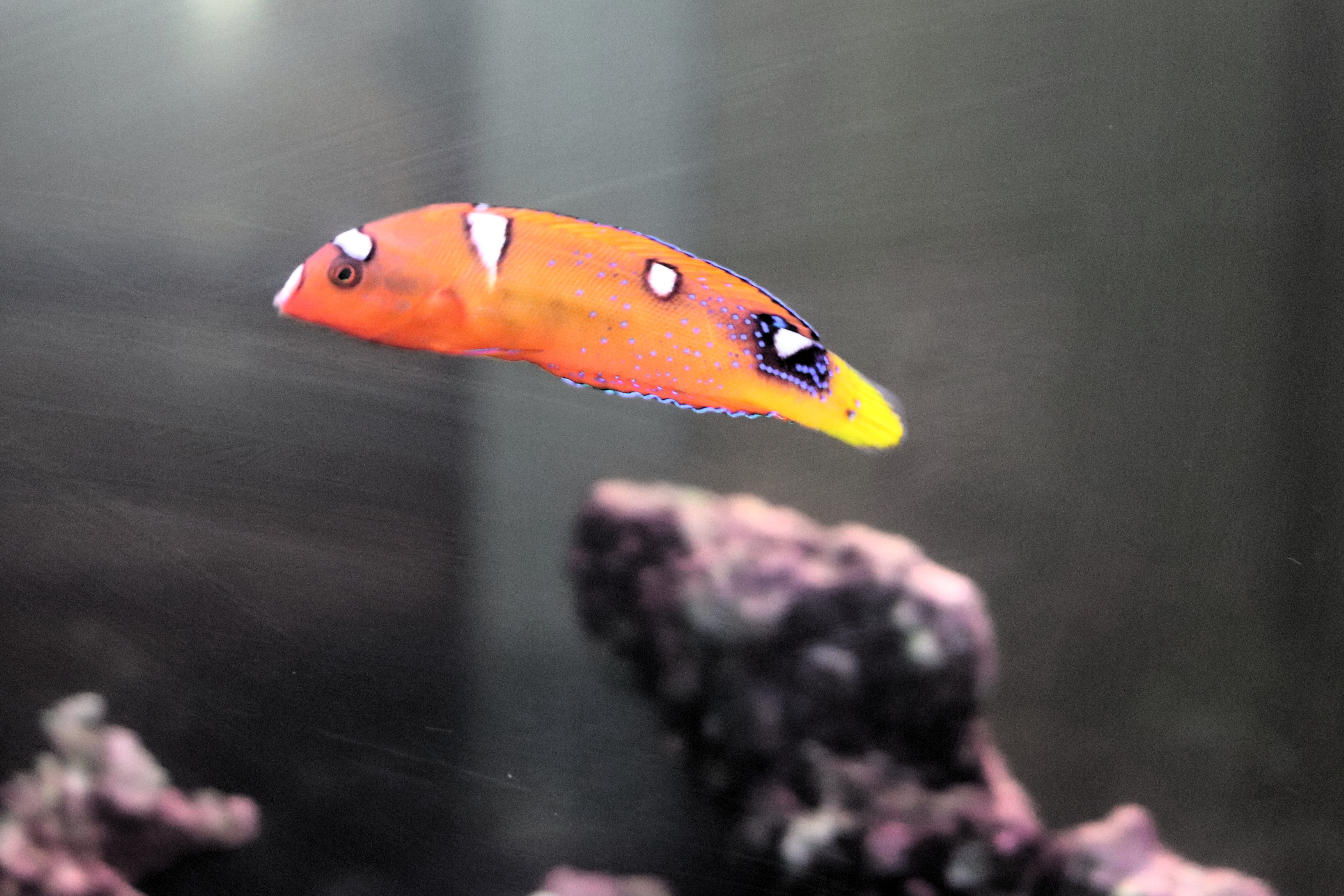
For those who are interested in my fish- buying exploits, the first photo below is the one I bought from Tamworth last week, flame wrasse (Coris gaimard).

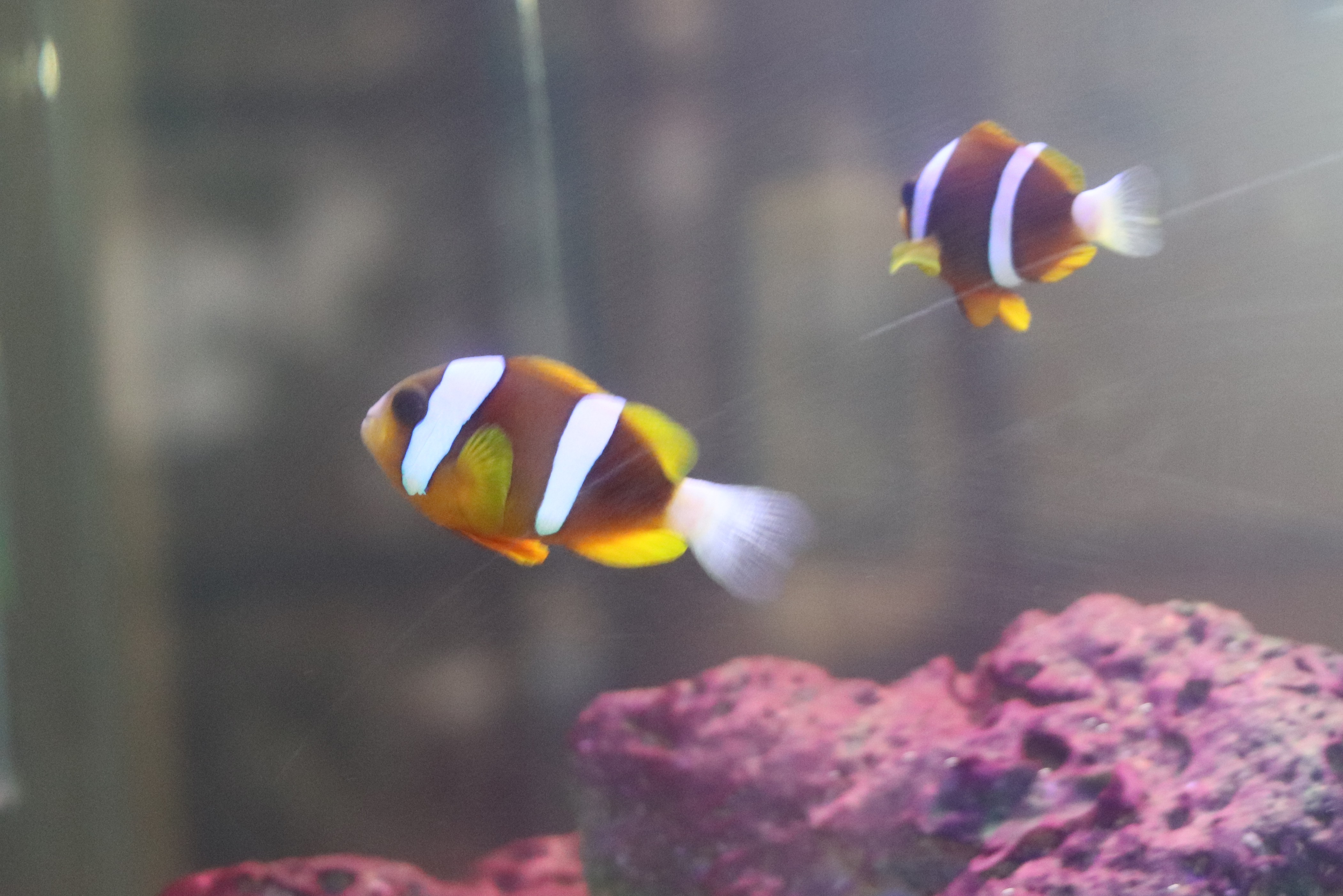
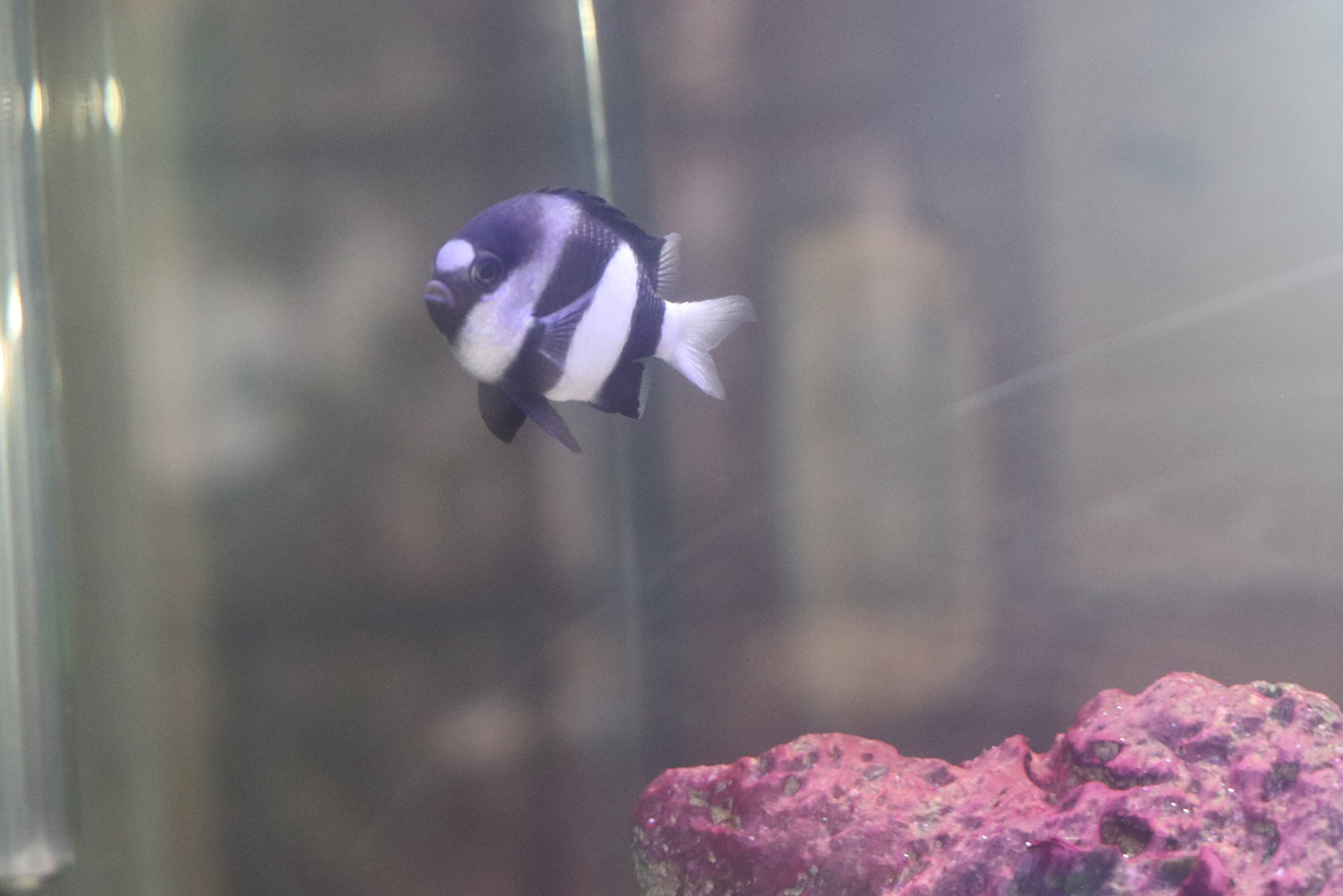
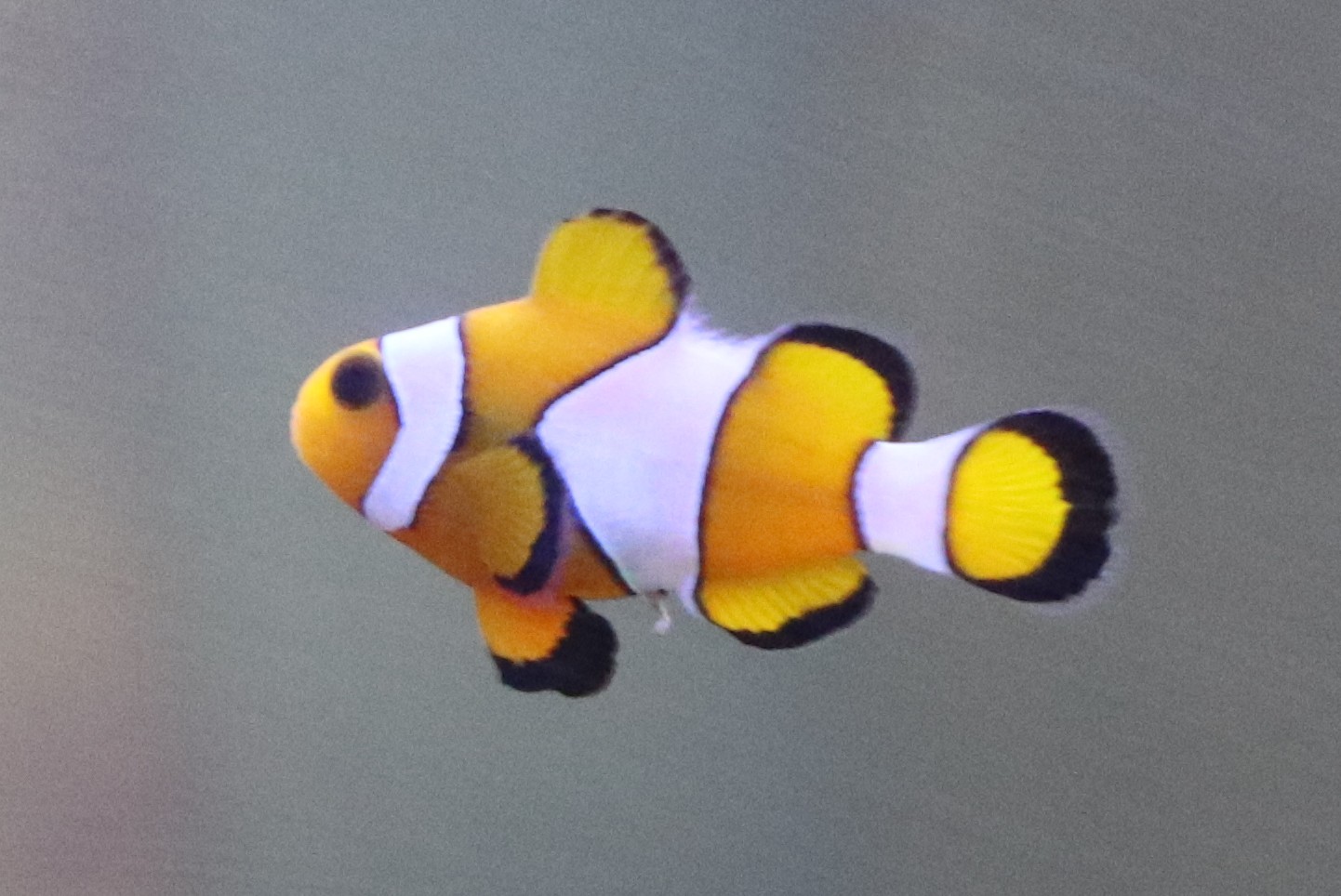
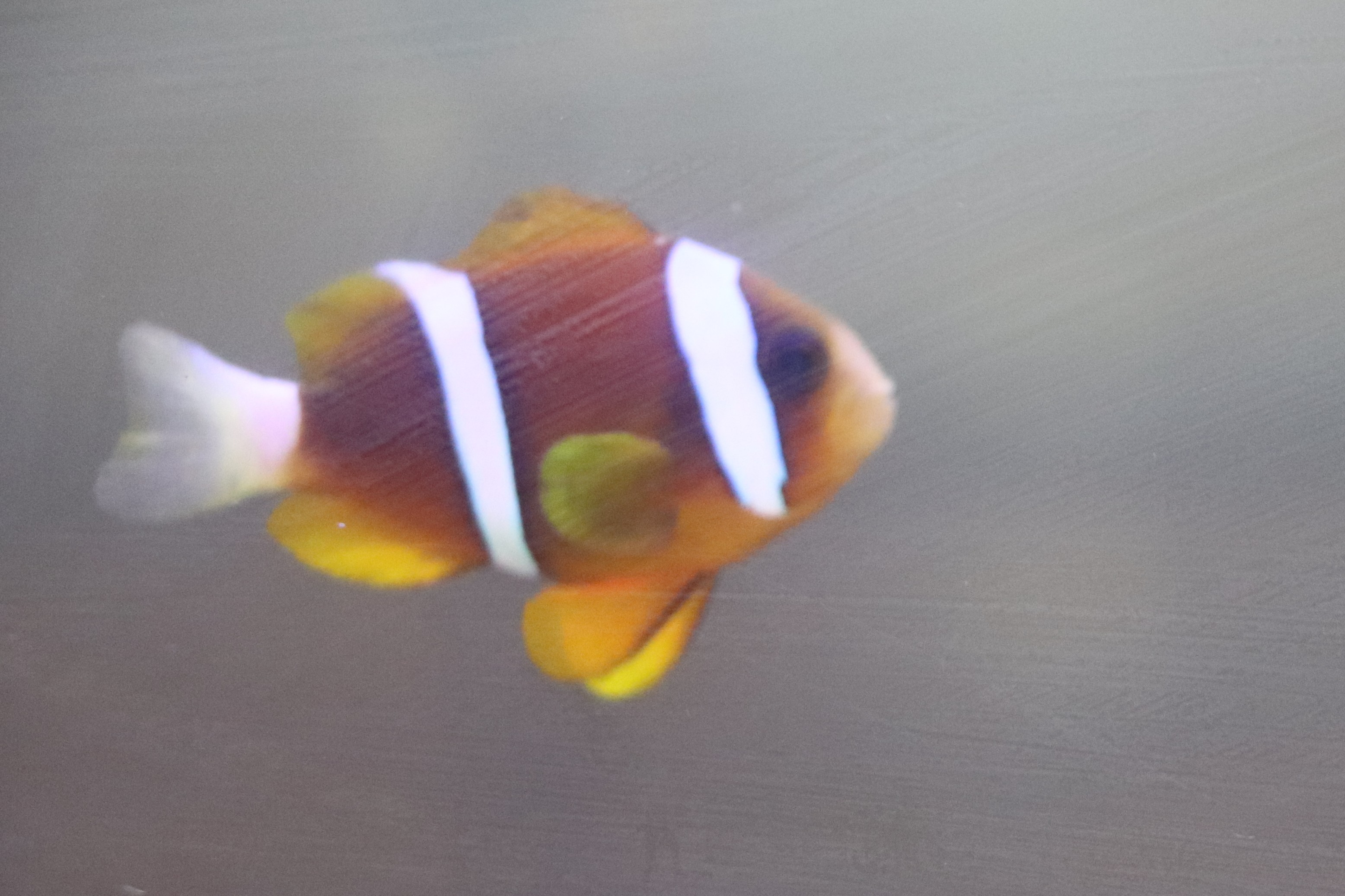
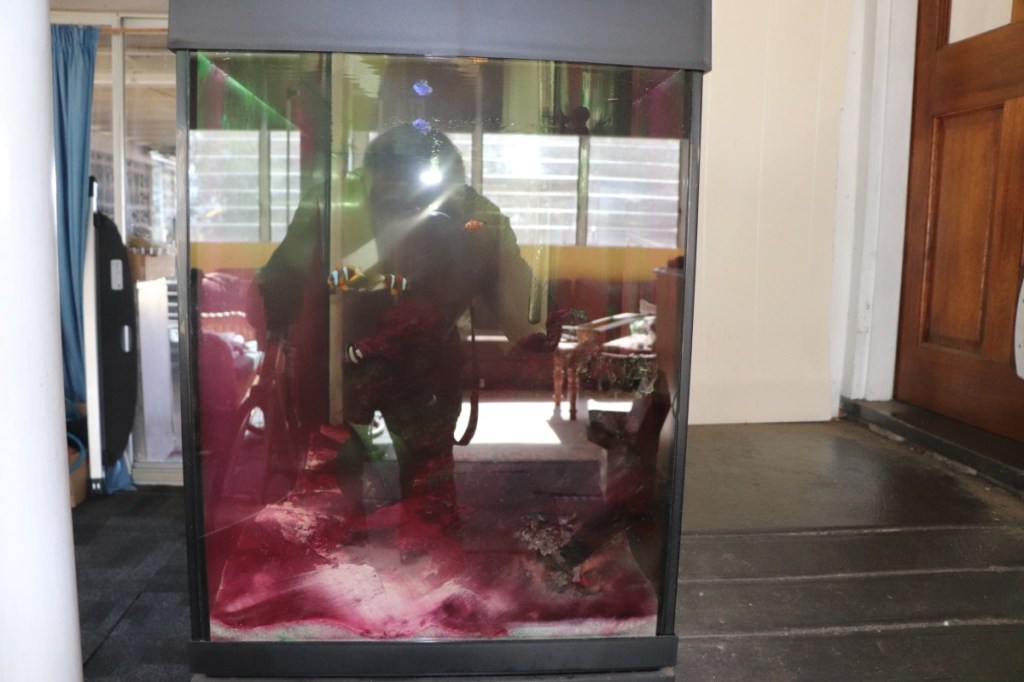
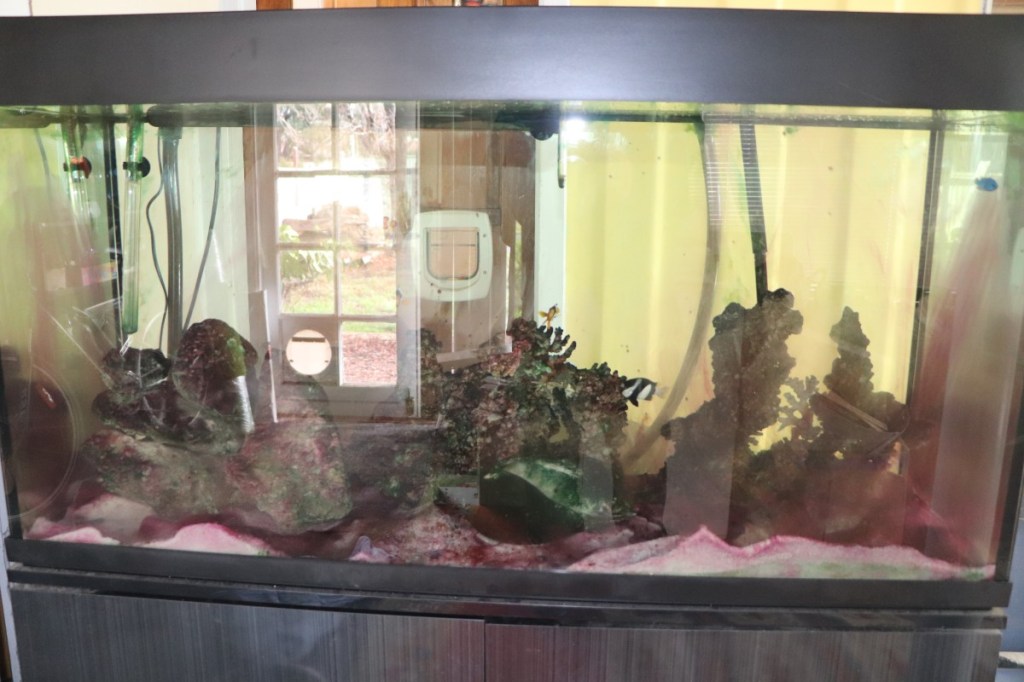
The other photos are of my other fish: there are a pair of Great Barrier Clownfish, a Common Clownfish (“Nemo” if you must), and a humbug damselfish (currently the oldest of my fish at 8 years since I bought it).

At one stage I had three humbug damsels with the same black and white marking, but subtle differences in the tails marked then as three different species.

Keeping marine fish can be challenging, but the fish are really beautiful.

Equally challenging is taking good photos of fish as auto focus gets tricked by the reflection from the glass, and if the flash is activated you can end up with a white blob and nothing else. This lot turned out pretty well, though!

Fish Tank Experiment- Conclusion

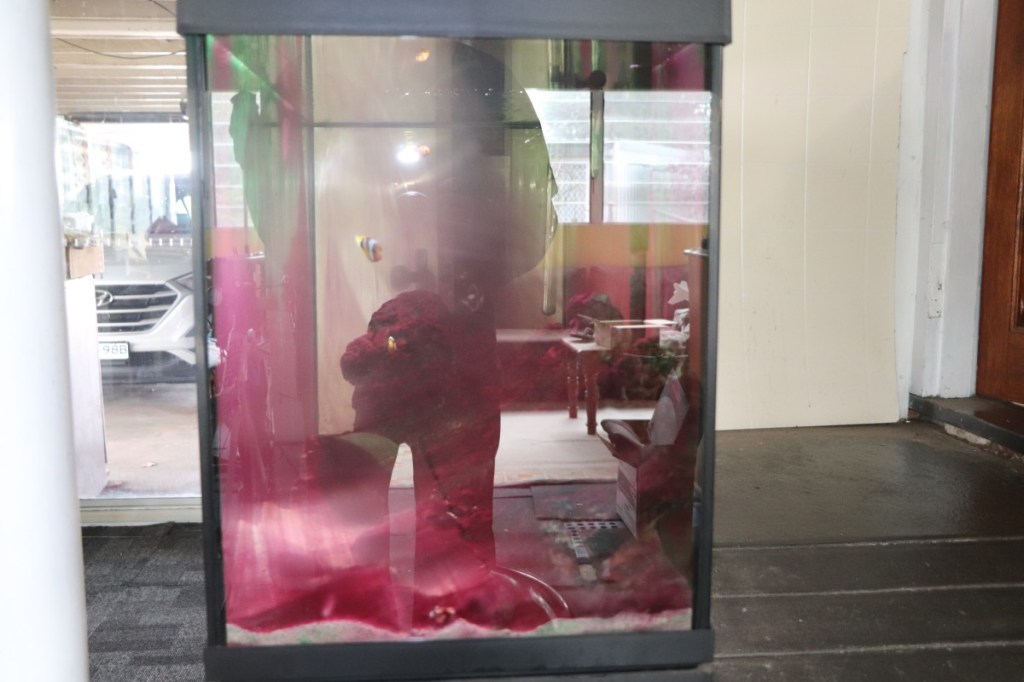
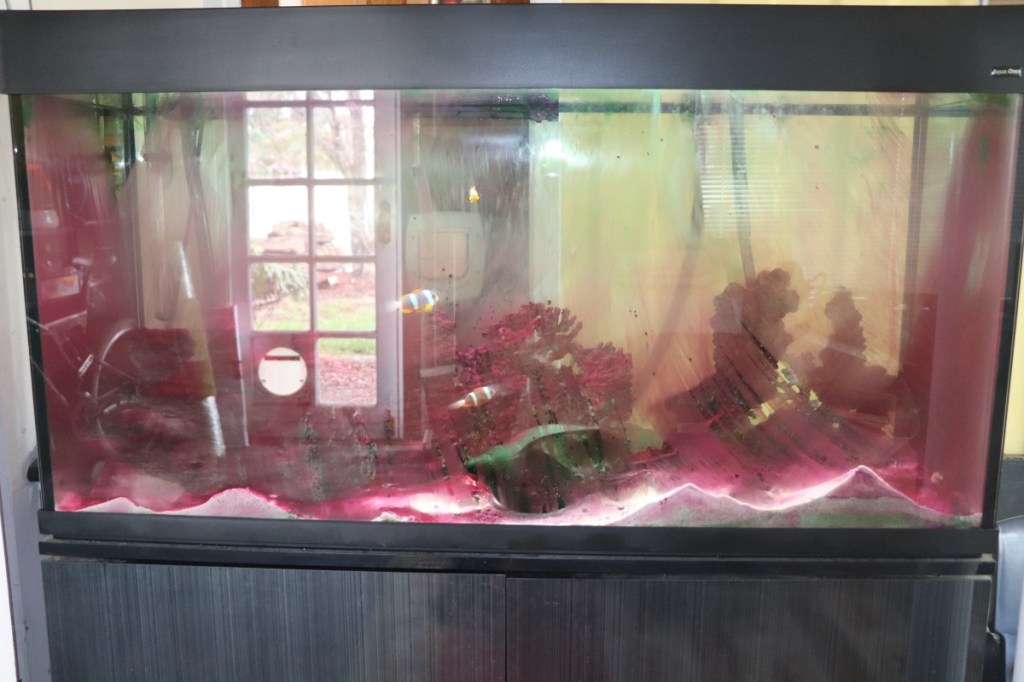
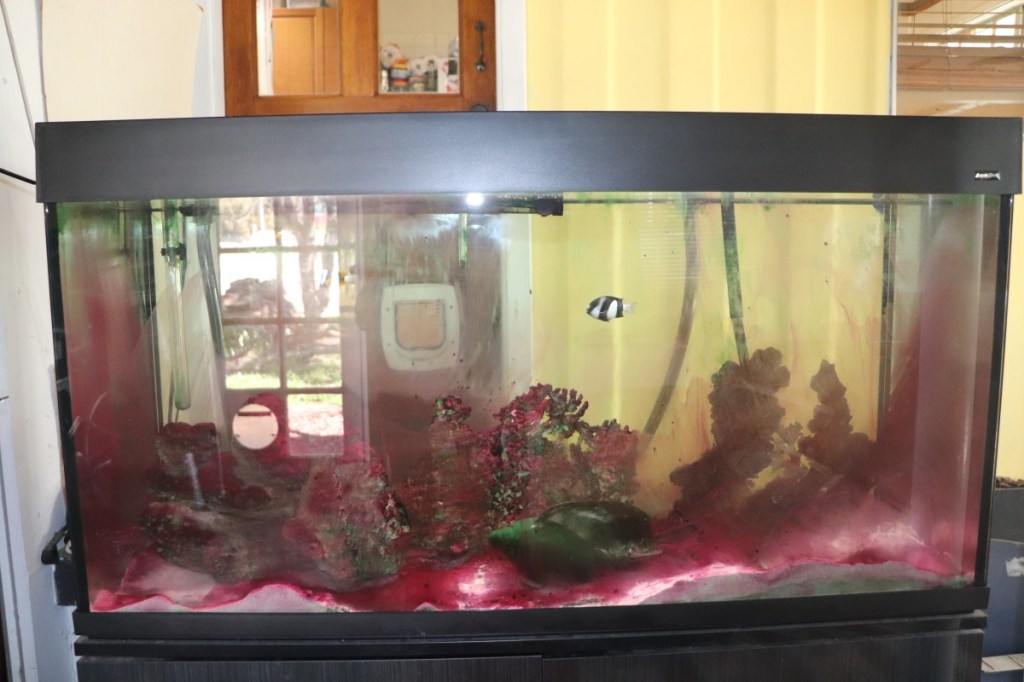
After 6 weeks of trialling Vibrant which is claimed to use a mix of bacteria to rid tanks of algae, I can only conclude it is a failure.

Today I scraped the algae off the sides of my tank ans resumed my previous routine of cleaning tank decorations and siphoning water and algae from the bottom of the tank.

What a disappointment.

It is a pleasre to be able to see my fish again, though.

Fish Tank Experiment Week 6

The tank looks largely unchanged from last week. Very sad.

I have again double dosed with “Vibrant” after doing the normal water change.

At this stage, barring any big improvement in the next week, it will be back to the old regime of rubbing algae off the glass with a scrubbing cloth and siphoning off the bottom.

Rare Baby Sunfish

From Australian Geographic

Rare baby sunfish reveal early life of one of the ocean’s weirdest fish

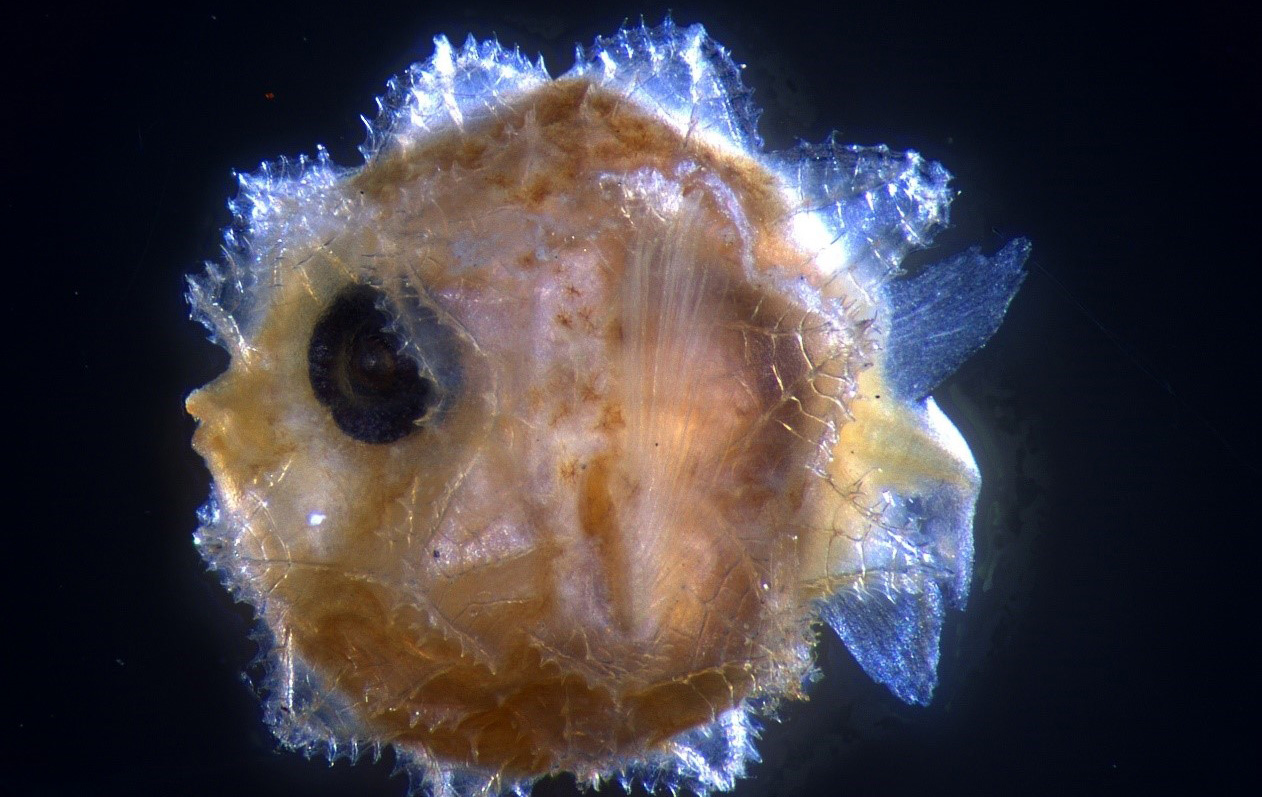
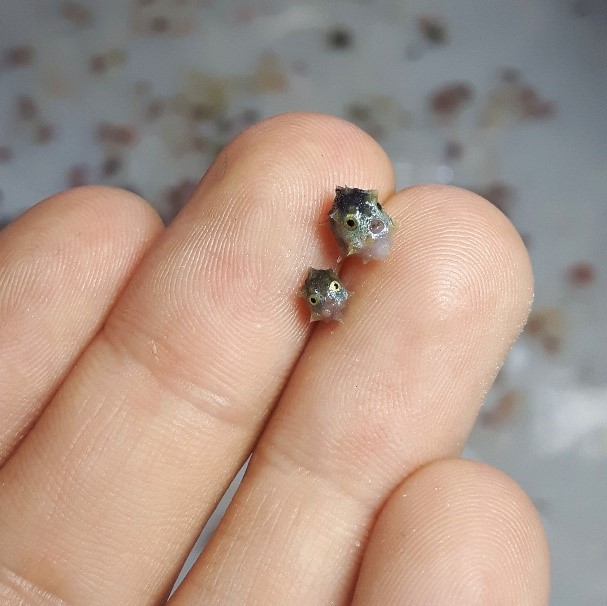
For the first time ever, scientists have been able to identify a species of sunfish larvae.
By Angela Heathcote  July 22, 2020  Reading Time: 2 Minutes

Image credit: Kerryn Parkinson/Australian Museum

LITTLE IS KNOWN about the early life of sunfish, one of the world’s most bizarre-looking marine animals. And while baby sunfish, or larvae, have been found in small numbers across the world, scientists have, until now, been unable to identify which species the larvae belong to.

Using DNA from sunfish larvae caught off the NSW coast and comparing it to sunfish larvae stored in the Australian Museum collections, scientists found it was a perfect match to the bump-head sunfish (Mola alexandrini) – one of the three known species of Mola.

The teeny-tiny larval sunfish. (Image credit: Amy Coghlan)

The scientific journey to this eureka moment has been a long one. “These sunfish larvae were being found by scientists all the way back to 1766, and they were initially described as a completely different species of fish, because they just looked so different from their adult form,” says sunfish expert Marianne Nyegaard, the lead scientist on the discovery.

The larvae also have no recognisable features that would otherwise make it simple to tell a fully developed bump-head sunfish apart from a hoodwinker sunfish. “This is one of the key reasons we’ve never been able to get it to species level. The larvae sampled in Sydney look the same as the ones in the Atlantic [Ocean].”

Another major barrier was that, up until now, no one has been able to do genetic analysis because specimens are so rare. “They’re so valuable so they’re just put away in museum collections,” Marianne says. “I was lucky a friend knew I was looking for Mola larvae.”

The genetic analysis of the sunfish larvae by the Australian Museum’s molecular biologist Andrew King was painstaking, using DNA from a single eyeball to minimise any potential damage.

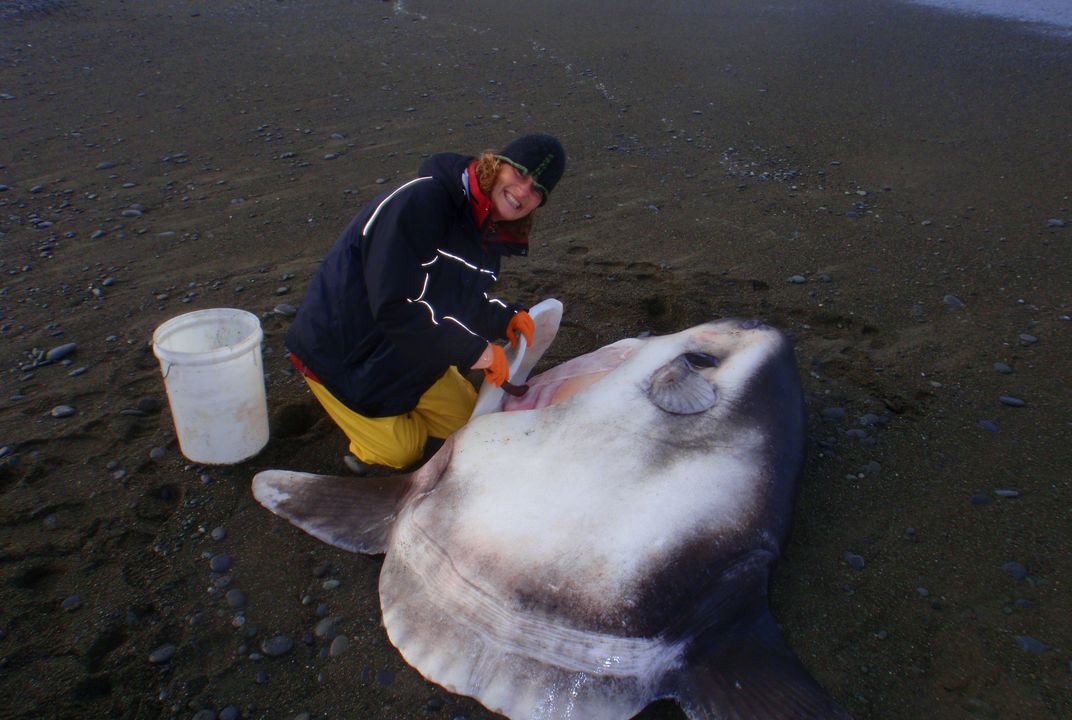
Scientist Marianne Nyegaard with a sunfish.

Scientists now have their hands on 20 sunfish larvae at varying sizes, all sourced from NSW waters, and they hope to piece together their early development from these specimens.

Marianne says this new genetic ID will act as an “anchor” to better understanding what she describes as the “deepsea pokémons” of the ocean. Her goal is to identify the last two species of sunfish larvae so they can all be told apart.

Beyond identification, Marianne still has questions about this stage in a sunfish’s life. “Few Mola larvae are found around the world; where are the larvae? Why don’t we find them more often?

“We don’t really understand where or when they spawn, and how many eggs catch and which ones survive. What habitat are they living in at this stage in their life? These are the things I’m desperate to know.”

Fish Experiment Week 5

The algae seems to still be stable, so today I decided to double the dose. This is recommended where the tank is heavily infested. and I think my tank qualifies for that.

The plan is for 3 weeks of double dosing to see if that improves things. If there is ot significant improvement by then, I will have to conclude that “Vibrant” does not work, and return to my long standing regime of mechanical cleaning.

Fish Tank Experiment Week 4

The algae in the fish tank is still stable, possibly a little worse.

During the water change today, I noticed that the filter was not operating properly. It was running but no water was going through. That might explain why the Vibrant is not very effective. Also cyanobacter prefer still water so perfect conditions.

I cleaned out all the accumulated gunk from the filter and reinstalled it. It took a while to get the pump primed and running, but now it is doing well.

Fish Tank Experiment Week 3

This is week 3 of my test of “Vibrant.”

Each week I have been adding 10 ml of “Vibrant” to my tank when I do my usual weekly water change.

This week I think the growth of algae and cyanobacter has stabilised. As far as I can see, everything is similar to where it was last Monday.

I would have expected a much bigger growth of cyanobacter and the black “sticky” algae.

It appears that the Vibrant is having an effect.