The showers last night left the air feeling a little coastal. Despite the humidity, I had a great ride along Yarrie Lake Road. #cycling #Narrabri
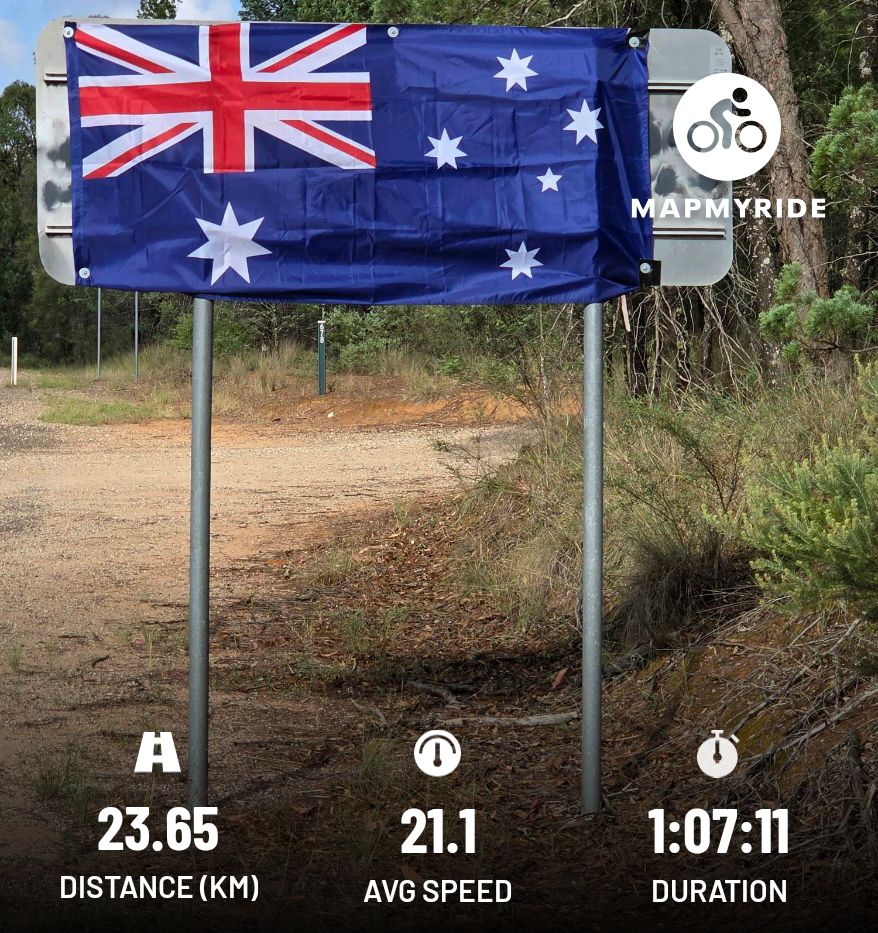
The showers last night left the air feeling a little coastal. Despite the humidity, I had a great ride along Yarrie Lake Road. #cycling #Narrabri

From biblegateway.com
Every year around this time the same questions arise, among both Christians and non-Christians: when and where was Jesus really born? Is Christmas secretly a pagan holiday? And what’s the deal with the chubby guy in red?
Since the biblical narrative often gets blended with extrabiblical tradition, art, and carols, I’m going to clear up the confusion with a bit of background info, a dash of mythbusting — and some surprising discoveries along the way.
What I’m not going to do is spoil anybody’s Christmas fun. Christmas is one of my favorite times of year, for a host of reasons extending from cozy family vibes to incarnational soteriology. I’m not going to tell you how you should or shouldn’t celebrate this holiday!
Instead, my goal is to add to the fun with some biblical context and historical facts that will help you understand and appreciate the “what” and “why” of many of our Christmas traditions — and make your own educated decision about which of them to include in your celebrations.
Let’s get this one out of the way: the Bible does not give a date for Jesus’ birth — not in the prophets, not in the gospels, not in Paul’s letters. We don’t even get a season, though some scholars have tried to make guesses based on the fact that the sheep were out in the fields at the time (Luke 2:8), which possibly — though inconclusively — suggests warmer weather.
Indeed, the earliest attested dating of Jesus’ birth is given by Clement of Alexandria as May 20. But that was about 200 years after the fact, and Clement adds that it is disputed by other Christian groups.
It wasn’t until at least 300 AD that December 25 became the popular date.
The most commonly repeated theory is that early Christians chose late December to replace pagan solstice festivals that happened around that time. Logically, that makes a lot of sense — after all, we do know that Christians occasionally adapted some aspects of pagan festival celebrations.
There’s just one problem: there’s no actual evidence for it among any ancient sources.
As Yale professor and Anglican priest Andrew McGowan explains, the earliest patristic sources (e.g., Tertullian and Augustine) determined that Jesus must have been conceived on the same day that he was crucified, which they calculated as March 25.
And what’s nine months after March 25?
You guessed it.
The truth is that we do not and cannot know on what day Jesus was born; Scripture is silent on the matter. But December 25 is as good a date as any to celebrate the birth of our Lord — especially with 1700 years of tradition behind it.
Read more here
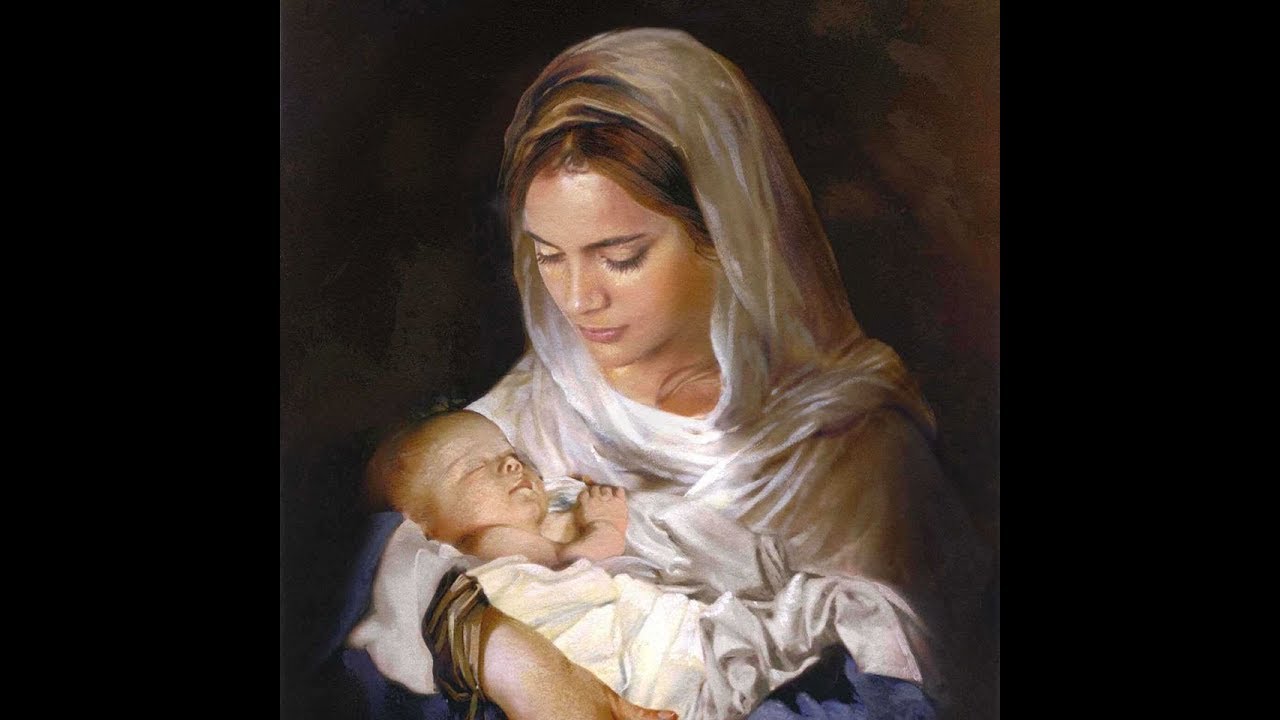
The sermon for December 21st 2025 is now available on the New Life web site.
In this sermon, which is based on Isaiah 7:10-16 and Matthew 1:18-26, I talk about The Awesome Plans of God.
Click here to listen or to download the mp3.

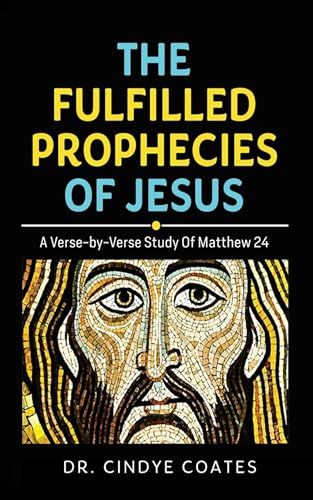
Clearly, the Father did not come physically in the clouds. He spiritually rode on the clouds in judgement. Any time God used a nation to destroy and judge another nation in the Old Testament, it is described as God coming down and riding on clouds. Jesus did the same at His coming through Rome’s siege and destruction of Jerusalem in AD 70. Cindye Coates

From persecution.org
December 19, 2025
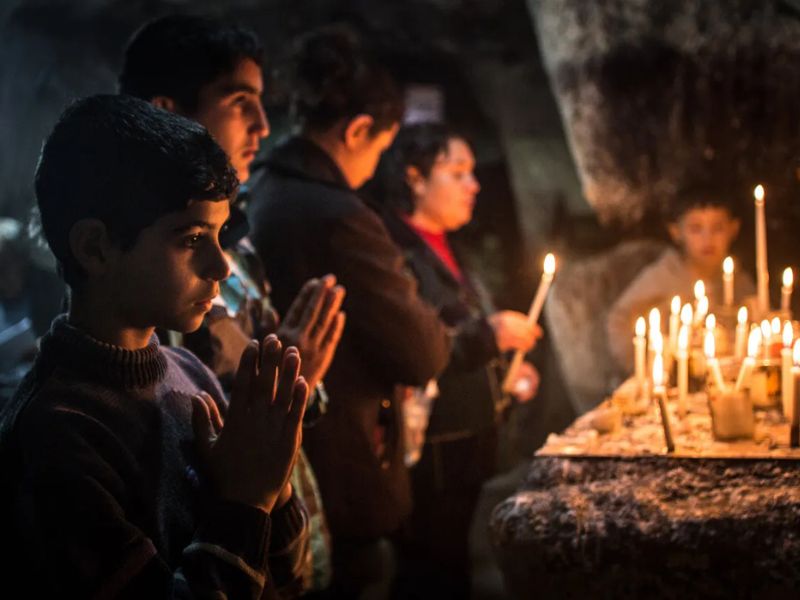
Each year, Christ followers worldwide eagerly anticipate Christmas, remembering and celebrating how their Savior entered the world. The story of Jesus’ arrival is read from the Scriptures and meditated upon; lights are hung, and worshippers sing songs commemorating the most precious birth ever to take place.
As this occurs, large numbers of our fellow believers must approach the day with caution and keep their Christmas joy to themselves.
Christians living in Brunei, China, Iran, North Korea, and Somalia must celebrate the birth of Jesus in secret or else face legal consequences, including imprisonment.
Brunei
In Brunei, public displays of Christmas are banned. While Christians are allowed to recognize the holiday inside their homes or churches, they can’t hold any public Christmas celebrations. The nation officially banned public Christmas displays in 2014, fearing that they could lead Muslims away from Islam.
Muslims found violating the ban, by wearing Santa hats or in some fashion partaking in banned Christmas festivities, could face up to five years in prison. Additionally, Christians are prohibited from spreading the gospel to Muslims.
China
China allows approved groups to hold restricted Christmas celebrations, which vary by region. Individuals younger than 18 years old are forbidden to attend Christmas church celebrations, and authorities continue their campaign to force churches to inject communism into Christian worship.
Iran
In Iran, Christmas gatherings are allowed in registered churches and approved districts. Small, unregistered house-churches, particularly those of Muslim converts to Christianity, are often raided by authorities. In November 2025, two individuals who converted to Christianity from Islam began serving a two-year prison sentence for charges related to their participation in a Christian house church.
According to Barnabas Aid, their “arrests resulted from a raid by 30 intelligence agents on a house church gathering in Shahriar … in December 2023, when some 25 worshippers had gathered to pray and to plan their Christmas celebration.”
In addition, all church services are forbidden to be conducted in Farsi, Iran’s native language. Instead, foreign languages, such as Armenian or Assyrian, are typically used to curb the spread of Christianity to native-born Muslim-Iranians.
North Korea
Christmas worship and displays are banned in North Korea. The communist government views Christianity as a threat to its leadership and Christmas as a menace to society. Freedom of religion is non-existent in the nation, and owning a Bible or celebrating the birth of Christ is a serious offense. In 2016, the dictator of the nation, Kim Jong-Un, announced a decree mandating North Koreans to worship his grandmother, Kim Jong-suk, who was born on Dec. 24, 1919, to preempt any focus on Christ and his birth.
Somalia
Public Christmas celebrations are banned in Somalia, a predominantly Muslim nation. Officials outlawed Christmas observance in the country in 2015. That same year, Reuters reported that Somalia’s ministry of religion, “sent letters to the police, national security intelligence and officials in the capital Mogadishu instructing them to ‘prevent Christmas celebrations.’” The ban is still in effect.
Although many Christians have little to no access to religious freedom, large majorities of them continue to follow Christ in their hearts and celebrate Christmas in quiet, meaningful moments. The outward appearance of such celebrations appears instead within their hearts.
For those of us blessed with the freedom to celebrate Christmas publicly, let us also remember and lift up our brothers and sisters in Christ who cling to him, regardless of the cost.
 New Life Narrabri