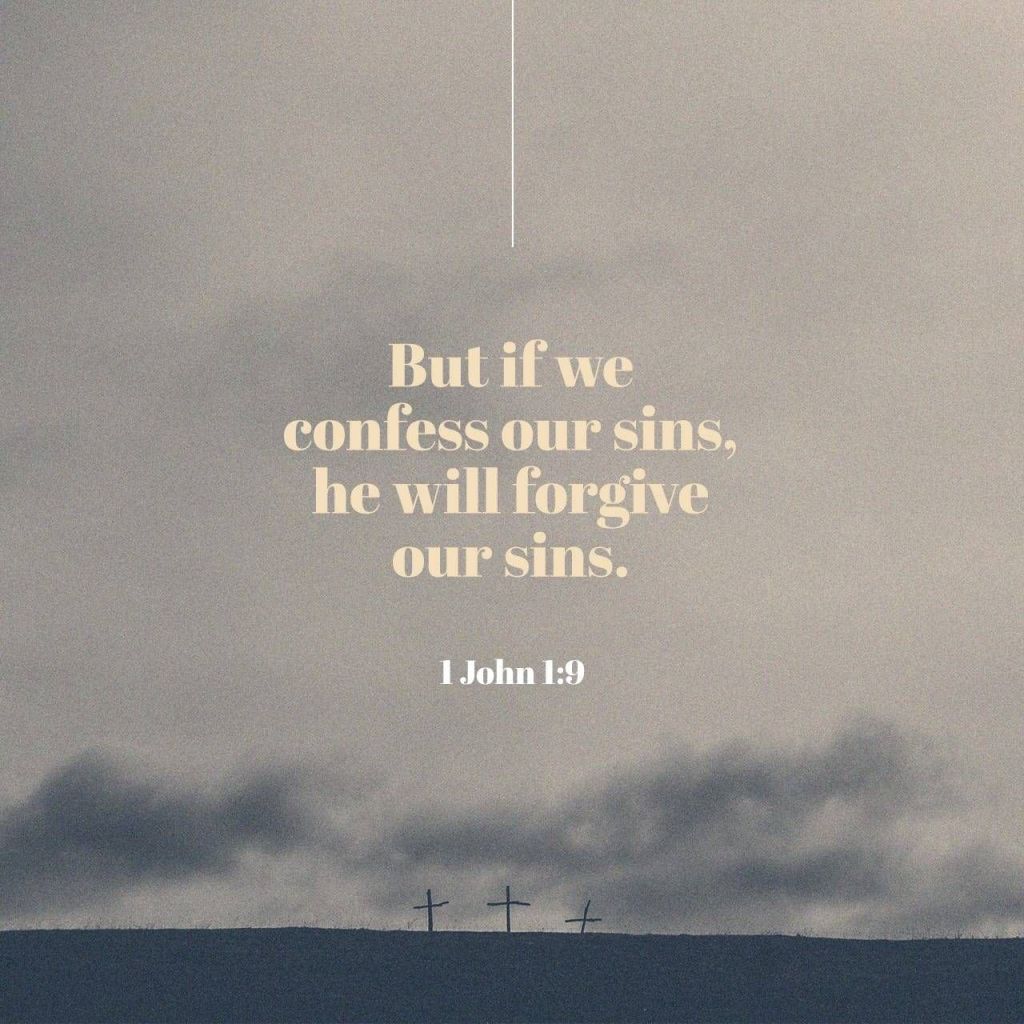
In Jesus, I can remain standing on the inside, because I know the circumstances raging on the outside can’t move me. Retha McPherson

In Jesus, I can remain standing on the inside, because I know the circumstances raging on the outside can’t move me. Retha McPherson

Joseph Mattera writes:
10 Traits of Practicing a Theology of Food
Lessons from the Desert Fathers and the Benedictine Tradition
As we enter the Lenten season of the church, many people are practicing the spiritual discipline of fasting. However, we make a mistake if we merely watch what we eat during the 40 days leading up to the Passion weekend.
The modern American diet is not merely unhealthy—it is disordered at the level of desire. We have become a people who live to eat rather than eat to live. Ultra-processed foods, excessive sugar, refined carbohydrates, industrial seed oils, and the near-constant consumption of meat have produced an epidemic of chronic disease unknown to previous generations.
Today, more than 60 percent of calories in the American diet come from ultra-processed foods, and diet-related illnesses—heart disease, diabetes, obesity, fatty liver disease, and certain cancers—are among the leading causes of premature death in the United States. This is not simply a nutritional failure; it is a theological failure, since most Christians eat no differently than the world. Appetite has become sovereign. Desire has become undisciplined. The body is consumed rather than stewarded. When appetites control us rather than vice versa, Paul describes it as “our god is our belly!” (Phil. 3:19)
The early church responded to temptation with wisdom rather than excess. From the Desert Fathers to the Benedictine tradition, Christianity developed a theology of food that ordered desire, honored the body, and supported holiness over a lifetime. Their practices confront our culture with a necessary truth: what we eat forms who we become.
1. Food is received as a gift, not consumed as entitlement
The Desert Fathers approached food with reverence. Meals were not assumed; they were received. This posture reflects Israel’s experience with manna—daily provision without hoarding.
Anthony the Great taught that discipline begins with restraint:
“He who has not learned to govern his stomach will never be able to govern his tongue.” (The Sayings of the Desert Fathers)
Food entitlement weakens spiritual authority. A theology of food begins with gratitude and restraint, not indulgence.
2. Simplicity restrains desire before desire becomes a tyrant
The monks chose simple foods—bread, lentils, vegetables—not because pleasure was sinful, but because excess inflames appetite. Variety, not hunger, was seen as the greater danger.
John Cassian observed that unrestrained eating dulls spiritual alertness. Simplicity was therefore a tool of freedom.
We are not enslaved because we eat too little, but because we demand too much.
3. Fasting is a normal Christian rhythm, not spiritual extremism
For the Desert Fathers, fasting was ordinary Christianity. Most ate once daily, often near sunset. According to the ancient document “The Didache,” Many in the early church fasted on Wednesdays and Fridays. This rhythm trained desire to wait and the will to rule.
Christ assumed His disciples would fast. The monks simply integrated His teaching into daily life. There is no biblical command regarding how often to fast; it was simply assumed that it would be practiced by Christ Followers.
Fasting reorders time, appetite, and attention toward God.
4. The body is trained, not punished
The Desert Fathers rejected bodily harm. They warned that excessive fasting weakens discernment and prayer.
Anthony famously cautioned:
“Some have afflicted the body beyond measure and have gone astray through lack of discernment” (The Sayings of the Desert Fathers).
The body was a servant, not an enemy. A theology of food rejects both indulgence and abuse.
5. Food serves vocation, not personal indulgence
It was evident in the early church that the consumption of food was to support prayer, labor, and hospitality. Those who worked harder ate more. The sick and elderly received additional nourishment.
Modern eating often serves mood and impulse. Ascetic eating served obedience and calling.
Food strengthened faithfulness rather than replacing it
6. Eating is communal, not isolated
With the Desert Fathers, meals were rarely private acts. Food was eaten within the community and under rule. This prevented pride and extremism.
Abba Moses the Black taught:
“The monk must die to his neighbor and never judge him at all.”
(The Sayings of the Desert Fathers)
Shared meals cultivated humility, accountability, and love.
7. Meat is permitted, but never idolized
The Desert Fathers generally abstained from meat, yet did not absolutize abstinence. Meat and fish were permitted for hospitality, illness, or weakness.
This reflects biblical realism. Creation was plant-based (Gen.1:29); fallen history required concession (Gen.9:3). Discernment, not ideology, governed practice.
8. Benedictine moderation corrects ascetic excess
By the sixth century, excess asceticism required correction. The Benedictine tradition restored balance through holy moderation.
Two meals daily. Bread, vegetables, legumes. Moderate wine. Meat for the sick. The guiding principle was discretion.
Benedict understood that holiness must be sustainable over decades.
9. Pleasure is ordered, not eliminated
Christian asceticism never sought to abolish pleasure, but to place it under lordship. Benedict allowed enjoyment without indulgence.
Pleasure becomes destructive only when it rules. Ordered pleasure strengthens gratitude and freedom.
10. Food is temporary; communion is eternal
The Desert Fathers never confused food with fulfillment. Eating sustained life; prayer oriented it toward resurrection.
As Abba Moses taught, true fasting frees the heart from the passions.
Food serves love, not the other way around.
Conclusion: Recovering a Rule of Eating
The American diet has produced disease not only in bodies, but in souls. Disordered eating reveals disordered desire and likely even an issue with the lust of the flesh in general. The answer is not another diet trend, but a recovered theology of food.
The Desert Fathers and the Benedictine tradition offer a coherent vision:
Food as a gift
Simplicity over excess
Rhythm over impulse
Community over isolation
Moderation over ideology
In an age obsessed with consumption, the church must once again learn to eat for life, not live for appetite.
Food, like prayer, must remain under the lordship of Christ.


Scripture
“I tell you the truth, all sin and blasphemy can be forgiven, but anyone who blasphemes the Holy Spirit can never be forgiven. This is a sin with eternal consequences.”
Observation
Some of the teachers of the law who had come up from Jerusalem, say that Jesus is able to cast out demons because he himself is possessed by Satan.
Jesus calls them over to him and says, “satan cannot cast satan out. This is a divided kingdom in which factions fight against each other. Such a kingdom is already doomed.”
Jesus then goes on to say that all sins and blasphemy can be forgiven except blasphemy against the Holy Spirit .
Application
Many christians are afraid that they have committed the unpardonable or unforgivable sin. Often, they don’t know what this sin is, and those who do know, don’t know what blasphemy against the Holy Spirit is.
The definition or description is right there in the passage. The religious leaders were so opposed to Jesus, and so convinced of their own righteousness that they accused Jesus of being possessed, by satan.
Blasphemy against the Holy Spirit, then, is that kind of hardness of heart that calls good, evil and evil, good. It is a world-view that is so perverted and so convinced of its own correctness that not even the Holy Spirit can get in and overturn this evil self-righteousness.
In modern day experience, we see this in the extreme Islamic preachers who call for jihad and death to Jews. They cannot see the evil of their words, nor their need for repentance.
This is the blasphemy against the Holy Spirit.
Listen
Lord, what do you want to say to me about this Bible passage?
Keith, it saddens my heart and grieves my spirit, when people descend to this level of self-deception and malice.
You point out the Islamic hate preachers, but you have seen this in churches as well. The people who have not Just succumbed to the LGBTQ agenda but actually think that I approve of it, they encourage others in a sinful life and ignore my word.
There are those who claim that I lived in adultery that I faked miracles and so on. This is not just unbelief, but wilful opposition to me and to my holy ways,
My word is a light to the path of all people. But first, they have to pick up the lamp, light it and hold it over their path.
Many people, even those who claim to follow me, refuse to allow my Spirit to speak to them and so they walk in blasphemy against the Holy Spirit.
A double fulfilment of bible prophecy is a theory that a prophecy has two manifestations: a precise and specific fulfilment in a defined time window as well as a vague, nonspecific fulfilment sometime in the future. The first prophecy fulfilment is based on concrete and solid biblical time stamps and historically documented proof, whereas the “second fulfilment” is based on whims, rumours, and engineered plots. Cindye Coates

When Jesus said one would be taken, He was not talking about a rapture. He was speaking of slavery. The Romans were always taking men and women into slavery. They had no mercy and no regard for anyone who was not a Roman citizen. When the Emperor Vespasian ordered the siege by his son, General Titus, there were four legions of men. They captured slaves to grow their food, cook their meat, and use any skills they had to serve the Roman Empire with no pay. Cindye Coates

The sermon for December 21st 2025 is now available on the New Life web site.
In this sermon, which is based on Isaiah 7:10-16 and Matthew 1:18-26, I talk about The Awesome Plans of God.
Click here to listen or to download the mp3.