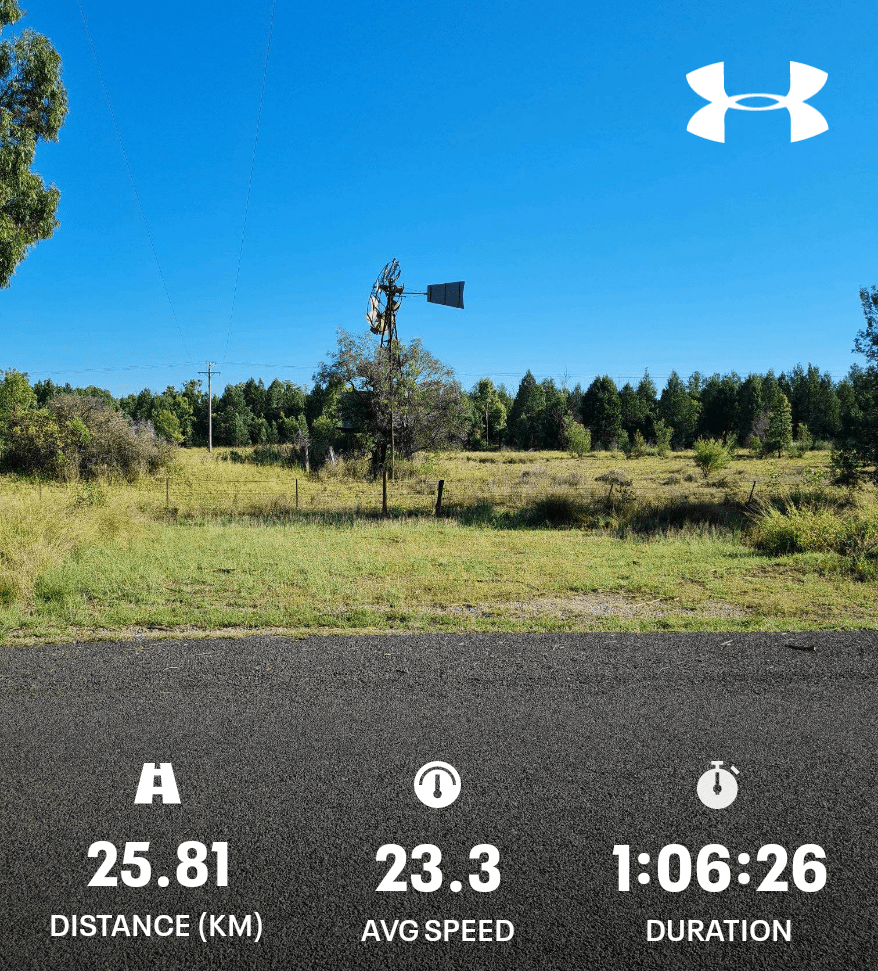
Nice ride out to Haire Drive this morning. Weather is perfect, at least in the morning. #cycling #narrabri
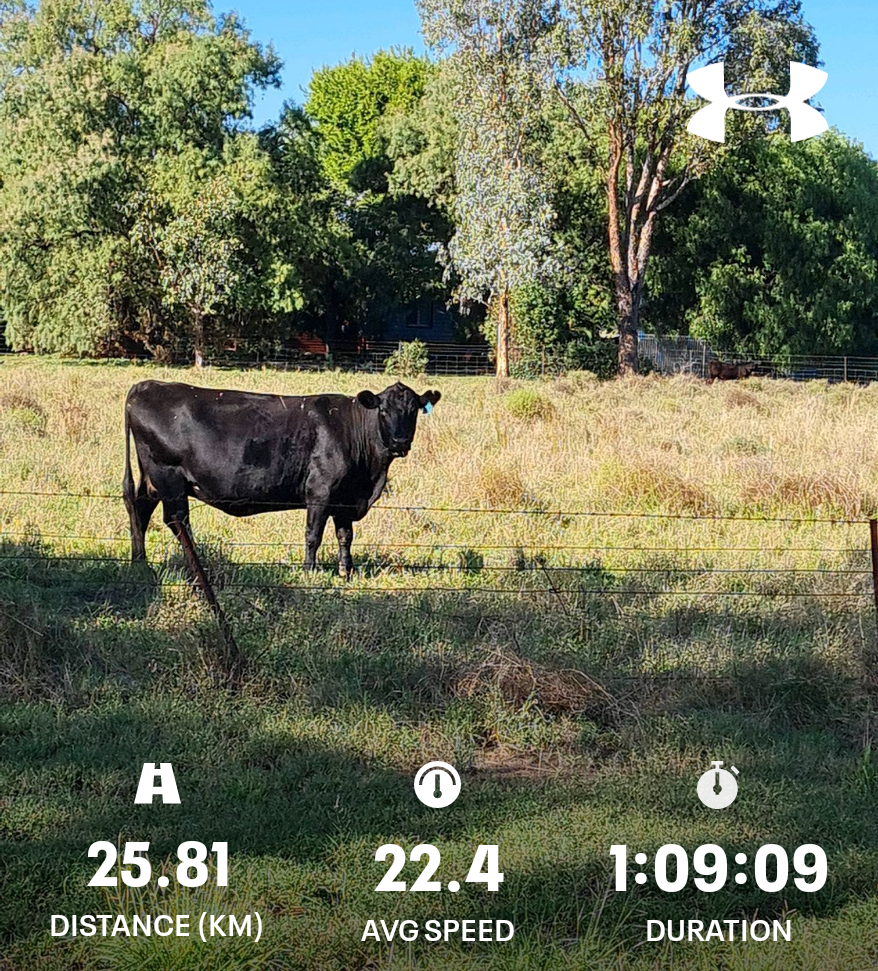
Nice ride out to Haire Drive this morning. Weather is perfect, at least in the morning. #cycling #narrabri
The other frequently employed term for God’s great enemy is diabolos (“devil”), a title that means “slanderer.” John’s use of the term (John 8:44) followed by the epithet “father of lies” captures the slanderous, accusatory tone. Michael Heiser

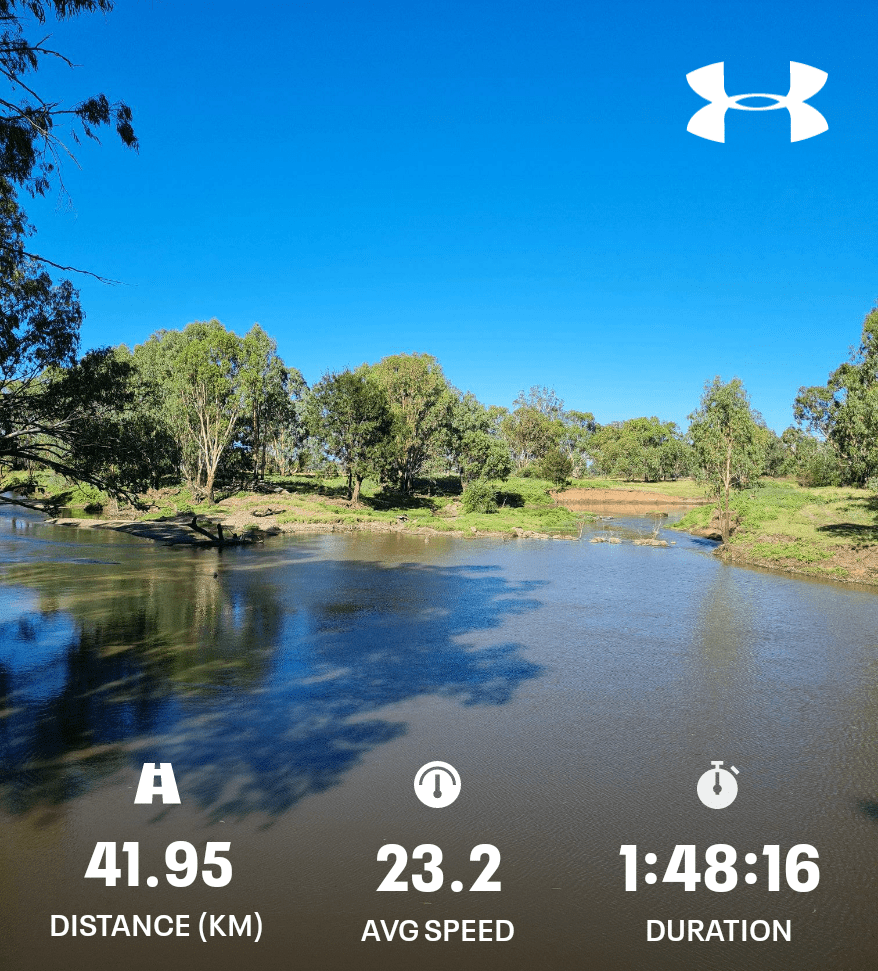
A great ride down to Turrawan and Tariaro this morning. The Namoi River is looking splendid #cycling #Narrabri
The proper personal name “Satan,” a transliteration of the Hebrew noun śāṭān, occurs thirty-six times in the New Testament, just under half of which are found in the four Gospels.1 Satan is said to have a kingdom (Matt 12:26; Luke 11:18), a detail which presumes an exalted ruling status. Michael Heiser
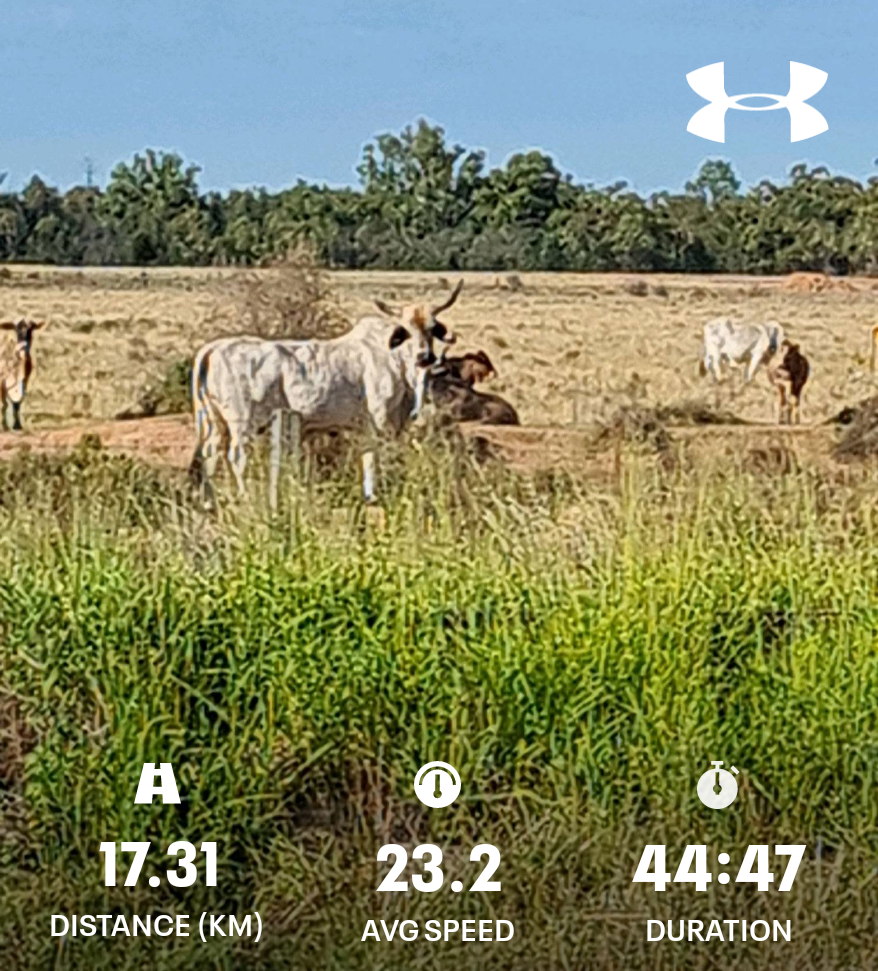
Serious looking cattle along Culgoora Road. Another good morning for riding. 😀#cycling #Narrabri
Hostility toward the will of the Most High God began in Eden with a lone rebel. It irrupted again in the days leading to the flood with the transgression of the sons of God. God’s punitive rejection and division of the nations and subsequent creation of Israel as his own people precipitated the third rebellion, when the sons of God allotted to the nations went rogue. Michael Heiser
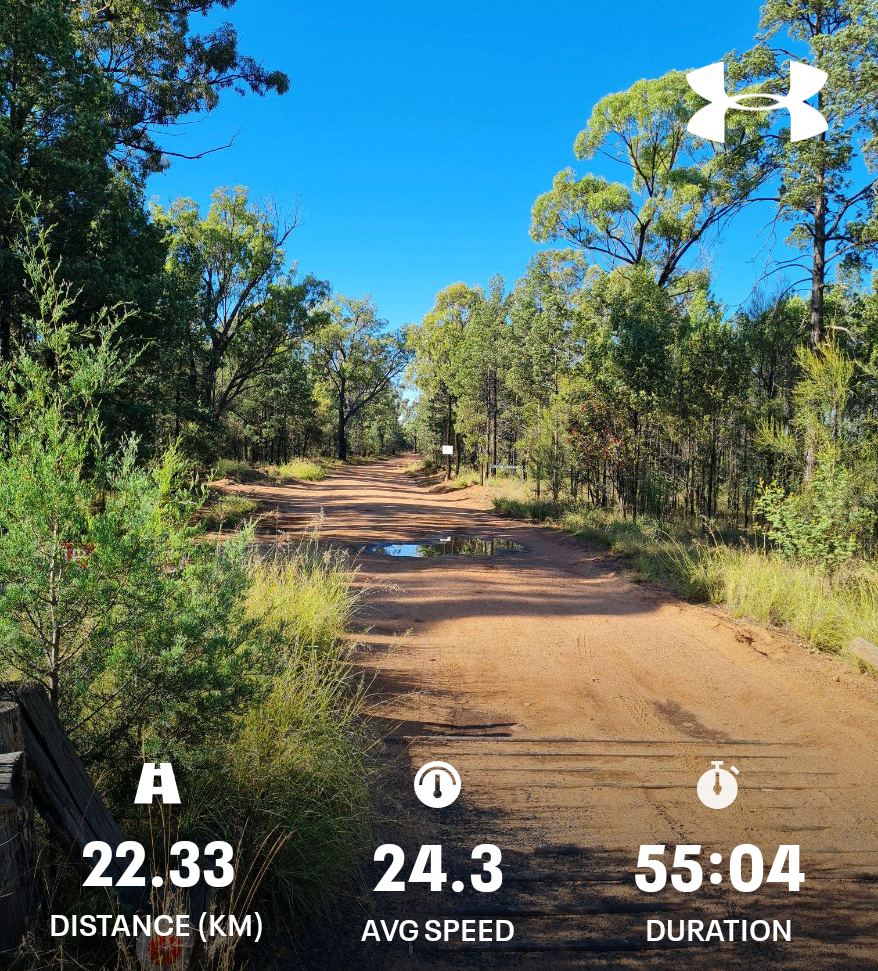
Perfect riding conditions this morning. Thoroughly enjoyed my ride to Jacks Creek and Gun Club Roads. #narrabri #cycling
The Second Temple demonological picture that emerges is one that conceptually unifies the three rebellions with Satan as overlord in command of the fallen sons of God (who are imprisoned for their transgression), demonic disembodied spirits of the giants (a tenth of which are allowed to harass humanity), and the lesser gods allotted to the nations in the judgment at Babel. This portrait closely resembles what we will encounter in the demonology of the New Testament. Michael Heiser
A beautiful day after three days of rain, although still quite humid. A nice ride to the end of Haire Drive. #cycling #Narrabri
Israel as a land and people were, in the words of Deuteronomy 32:9, “Yahweh’s portion” and his “allotted heritage.” As such, Israel was surrounded on all sides by territories inhabited by enemies and under dominion of hostile gods. Michael Heiser
 New Life Narrabri