
A Tender Heart
From the Joel Comiskey Blog

By Steve Cordle, https://xr.church/
When you hear the word “church,” what comes to mind? Can you imagine a healthy church that does not have a large celebration service?
The early church did. For a first-century believer, “church” did not evoke the image of a building or a large worship gathering; it would be a small group meeting in a house.
Many churches in the United States consider small groups one of the larger church’s many ministries—an optional activity for those interested in that sort of thing. They see the church’s core as the public worship service (celebration).
In reality, the cell group is the primary expression of the church. Why do I say that? Because the cell group can fulfill all the functions of the church, the celebration service cannot.
The functions of the church have been identified as worship, fellowship, discipleship, ministry, and evangelism (some add prayer and leadership.) All of these functions can be best expressed in the cell group. Only a few can use their gifts in a worship gathering with hundreds of people. In a cell group, everyone can participate meaningfully (1 Corinthians 14:6.) True community (fellowship) is fostered better in a small group than in a large gathering. Biblical discipleship takes place in the context of relationship, which is the specialty of the cell. Evangelism and outreach can be intentional and relational when done by a cell group.
If we think that the “real” church happens primarily in celebration services, then we will grow disciples who are not fully formed. Celebration services fulfill an essential role, but they are just one piece of the overall picture of the church.

These judgements do not simply elicit celebration, but instead they usher the listener into an embittered joy, a painful truth that the world must experience for it to be redeemed. These judgements are a necessary but bitter reality. They are a bitter sweetness. Scot McKnight and Cody Matchett
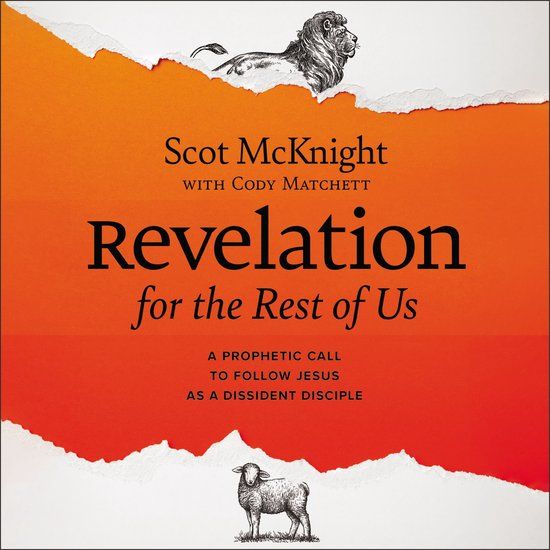
These judgements do not simply elicit celebration, but instead they usher the listener into an embittered joy, a painful truth that the world must experience for it to be redeemed. These judgements are a necessary but bitter reality. They are a bitter sweetness. Scot McKnight and Cody Matchett


The MapMyRide app is still misbehaving. I am re-installing it so I hope that helps. It was a good ride out to the Australia Telescope this morning. It is a 42 km round trip, which I do in 2 hours. #cycling #Narrabri #Biketooter #radioastronomy


The phrase “hand a person over to satan” occurs in two places in the New Testament.
1Corinthians 5:5 hand this man over to Satan for the destruction of the flesh, so that his spirit may be saved on the day of the Lord.
1Timothy1:19-20 holding on to faith and a good conscience, which some have rejected and so have suffered shipwreck with regard to the faith. Among them are Hymenaeus and Alexander, whom I have handed over to Satan to be taught not to blaspheme.
In the first passage from 1 Corinthians 5, Paul is discussing a man who claims to be a christian but is sleeping with his step-mother. The language makes it clear that this was a long-term relationship and that the christians in Corinth were tolerating it, perhaps even celebrating their acceptance and forgiveness towards “sinners.” Although we often think of Gentiles in those times as being quite lax in their sexual morality, this would have been considered as incest and therefore forbidden in most of the Roman Empire.
In the passage from 1 Timothy, Paul is talking about two christian leaders, Alexander and Hymenaeus, who were teaching doctrines so opposed to genuine christian faith that Paul calls them blasphemy.
For some background on the phrase, we could look to Job 2:6. In our English translations we read something like this: The LORD said to Satan, “Very well, then, he is in your hands; but you must spare his life.”
But the version Paul, and most Jewish believers of the time would have been familiar with is the Greek translation of the Hebrew scriptures which says this: And the Lord said to the devil, Behold, I deliver him up to you; only save his life. So Job was handed over to satan to be tested or tormented.
There are a few different interpretations of these passages, but here is my interpretation.
In handing over to satan these three men, Paul is making a statement that their behaviour of persistent sin or persistent heresy, that they cannot be considered as genuine followers of Jesus. They are to be put out of the church, handed back to the kingdom of darkness where they belong.
The connection with Job suggests that they can expect to be tormented in some way by satan. Job experienced grief, financial and family loss, physical sickness and taunting from his wife. These men should expect something similar as they follow the ways of satan and forego the protection of Christ.
The 1 Corinthians passage makes it clear that the aim is that they repent. Paul wants his flesh, that is his sinful nature, to be destroyed in order that his spirit can be saved.
Whenever christian discipline is invoked the desire of all involved should be to seek the restoration of the sinner, not vengeance.
Finally, it should be noted that Paul expected that this would be done in a meeting of the whole church. Too often, we can try to be overly nice and deal with these things privately. These individuals had sinned against the whole community, and the community must take responsibility for removing the person causing distress in the body.

 New Life Narrabri