Ephesians 5:9

Here is my commentary on Ephesians 5:9. I am publishing these once or twice a week, but you can read all of the available articles at our web-site, http://www.new-life.org.au

Ephesians 5:9

“For the fruit of the light is found in all that is good and right and true.”

A note on translations:

All the modern translations of the Bible translate this verse as “ the fruit of the Light.” The King James version and New King James Version translat it as “the fruit of the Spirit.”

In Greek, as in English, the words are quite different in sound and in meaning, so how did we get to this point of two very different translations possibilities?

There are many ancient manuscripts of the various Scriptures still available to us. There were no printing presses or other mechanical means of copying text back at the time when the Scriptures were written and copied. It was all by hand. Also, the scriptures of the New Testament were in great demand, and so a lot of copying was being done.

Sometimes people make mistakes. Sometimes people made “ improvements” as they went.

Somewhere along the line, somebody appears to have changed “ fruit of the light” to “ fruit of the Spirit” perhaps confusing this verse with Galatians 5:22.

Even though this change crept into some very early manuscripts,the overwhelming majority have “the fruit of the light.”

The KJV. and New KJV have opted for the “ fruit of the Spirit”, based on the best evidence from 500 years ago. Most modern translations think “ the fruit of the light” is the more likely form of the original words written by Paul.

Whichever version we follow, the meaning is basically the same whether attributed to “the light” or to “the Spirit.” What is important is that various translators can come to different conclusions from the best of motives.

The light is God. in Christ we are light ( see previous verses). The fruit of the light, then, is the outworking of God in our lives. Just as fruit grow naturally on any healthy plant, the light should produce certain fruit in our lives.

Paul has written at some length about the lives of the people who live in darkness. There is a fruit of this kind of living that christians must avoid if they are to walk with the Lord.

Now he tells us three qualities of the fruit of the light .

Firstly, the fruit of the Light is found in all that is good.

The word “good” here means virtuous and profitable. It suggest a moral dimension to our lifestyle.

To say that the fruit of the light is found in goodness means that the christian is to live a life that is morally upright and which is good for the person and also for those around him. The light shines in the darkness and is shown by the good life of christians.

For all that our society increasingly opposes the church’s teaching, it is equally amazed at acts of unimaginable forgiveness exercise by christians towards those who hurt them

Secondly, the fruit of the light is found in what is right.

The word here is the same as that often translated righteous. In other words we are to be seen as without corruption or sin.

Some Christian see the fact that God forgives our sins and makes us righteous in Christ as an excuse to continue to sin. If we have the light in us, then the fruit of the light will make us righteous in nature as well as in our status before God.

Thirdly, the fruit of the light is found him what is true.

Truth is a very under-valued concept in our post- modern culture. By redefining truth to be purely subjective, we have deleted the meaning of the word.

Some objective truths remain. Even if you are certain that it is not your truth, gravity will accelerate you to the ground at 9.8 metres per second squared .

This fluidity of truth that says what is true for you may not be true for me is an undermining of any basis for society. If we cannot count on 2 + 2 is always equal to four, then science, engineering, construction, business, agriculture, relationships, and law will all collapse.

Paul says that as children of light, the fruit of light will be seen in what is true. We will be people of integrity who do what we promise and live by the values we espouse.

Key points in this verse:

  • Bible translations can vary without being deceptive or false
  • Christians are to grow the fruit of light in their lifestyle
  • Fruit, spiritual or natural, come as a result of a healthy plant or person.
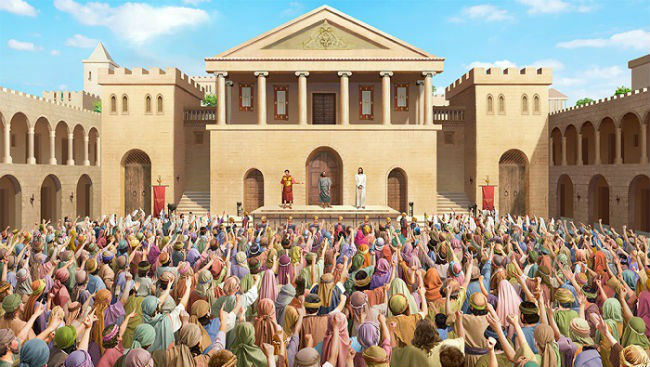
Reflection on Matthew 27:15-31

Scripture

All the people yelled back, “We will take responsibility for his death- we and our children.”

Observation

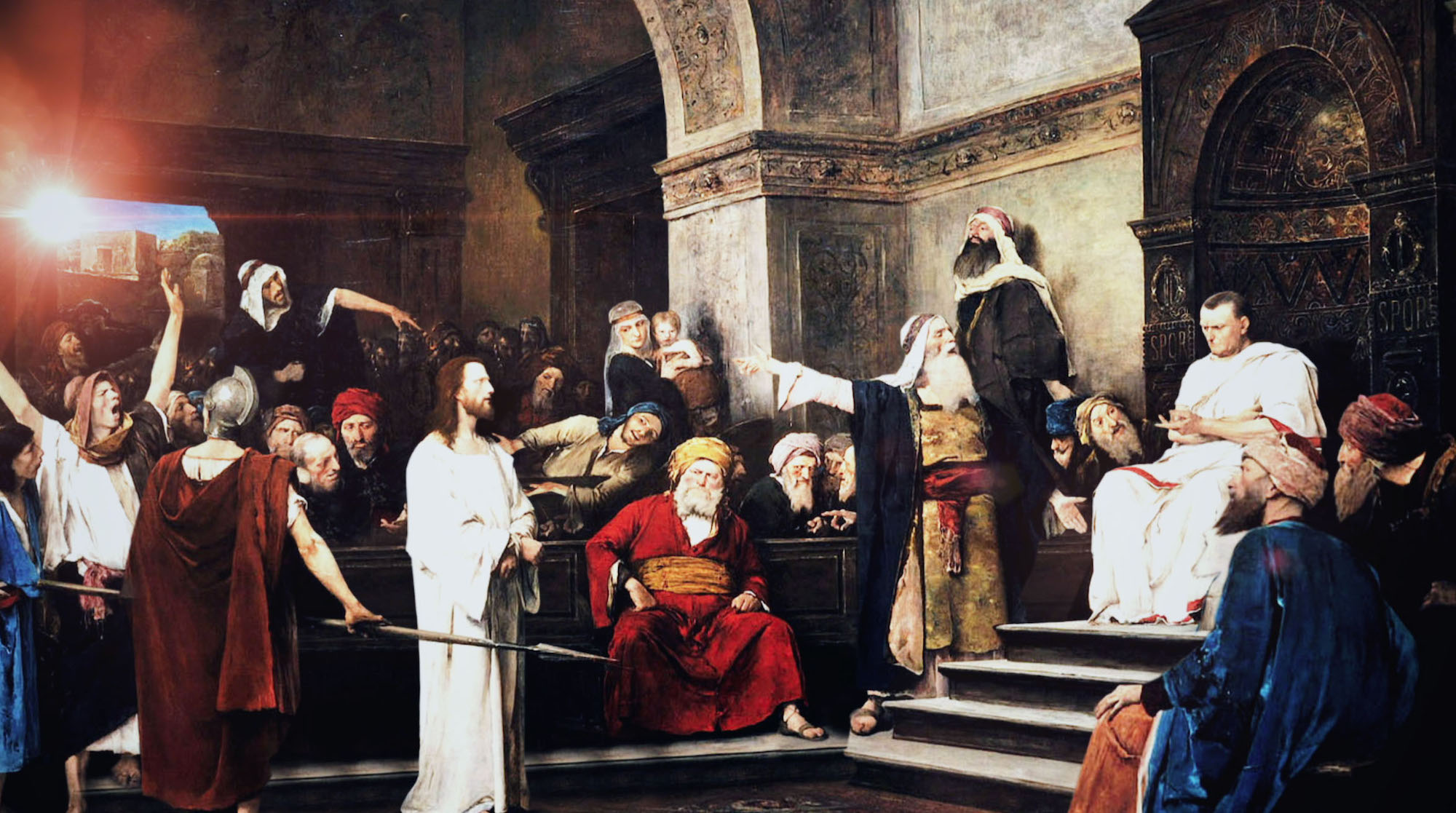
Pilate sees a way out of having to condemn an innocent man. His annual custom is to release a prisoner to the crowd. This year, he offers the people a choice of Jesus the Messiah or a notorious criminal called Barabbas.

Pilate’s wife send a message to Pilate to leave this innocent man alone as she had a dream about him the previous night.

So Pilate asks the crowd who they want released. Again they call for Barabbas. Pilate then washes his hands of the blood of Jesus.

The people then say they will take responsibility for His death, and their children also.

Application

How terrible it is to claim responsibility for the death of the Messiah. The crowd essentially called down a curse on themselves and subsequent generations when they said, “We will take responsibility for the death of the Messiah, the Son of God.”

This call gave satan and the armies of Rome a spiritual authority to destroy the city of Jerusalem and the Temple in 70 A.D.

Everybody who refuses to receive the pardon of Jesus also suffers from this curse. Everyone has sinned and fallen short of God’s glory. To reverse the curse of sin, we must come to Jesus and ask His forgiveness. Our sins nailed Jesus to the cross, and unless we receive forgiveness for our sins, we too are guilty of killing the Lord.

Prayer

Oh Jesus, what a terrible curse was released by those people on their own heads and the generations to come. Than you for lifting from me the effects of this curse and turning it into blessing. Amen.

Reflection on Matthew 27:1-14

Scripture

“I have sinned,” he declared, “for I have betrayed an innocent man.”

Observation

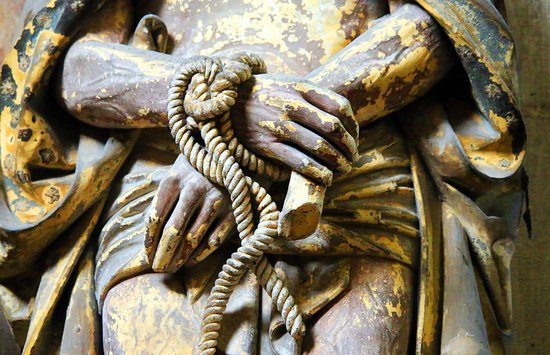
The leading priests and elders meet early in the morning to plan Jesus’ death. They tie Him up and take Him to Pilate.

Judas regrets his decision to betray Jesus. He hadn’t realised that they intended to kill him. He tries to return the money and reverse the deal, but the priests will not have it. Judas throws the money down on the floor and then goes and hangs himself.

The priests decide that they cannot put the money back into the Temple treasury as it was payment for murder, so they decide to buy a field to be used as a cemetery.

Application

When Judas realised that he had participated in the death of Jesus, he was struck be remorse. He tried to stop the process, but having no further value to the authorities, he was powerless to change anything.

Judas recognised too late that he had sinned. The consequences of his sin continued relentlessly, as they often do. The only thing left for Judas to do was to kill himself.

If only he had turned to the Lord and asked for forgiveness. Even this sin would have been forgiven.

Instead, Judas allowed his feelings of guilt to be the final word.

God’s word of grace is always greater than our sin.

Prayer

Thank you Lord for the awesome power of your grace. There is no sin that you will not forgive if only we will come to you in humility and repentance. Amen.

Ephesians 5:7-8

Here is my commentary on Ephesians 5:7-8. I am publishing these once or twice a week, but you can read all of the available articles at our web-site, http://www.new-life.org.au

Ephesians 5:7-8

“Therefore do not the associated with them, for once you were darkness but now in the Lord you are light. Live as children of the light.”

We must have nothing to do with disobedient people on whom God’s wrath is coming down. (Ephesians 5:6)

This does not mean that we should try to separate ourselves completely from the world. How can the light shine in the darkness if the light shuns the darkness?

It does mean that we need to be careful about our friendships. We must ensure that the people who are disobedient to God are not the people who are influencing our thoughts and our values.

This is always a delicate balance for christians who are called to be “in the world” but not “of the world.”

We were once darkness but now, in the Lord, we are light.

This is a binary state – we are either light or darkness, for Christ or against Him. There are no grey areas.

Before we were united with Christ, we lived in the darkness. We shared the nature of darkness – the sin and depravity of the world.

As children of darkness, we set our own destiny and lived by our own values. We were headed for eternal judgement, which is the fate of all who choose the darkness over the light.

Then Jesus came into our lives. The darkness was overtaken by the light. We made a quantum leap, a leap of faith. We crossed over from the kingdom of darkness into the kingdom of light.

All of this was by the grace of God. We had little say in it except to agree that we needed salvation.

In Christ, we are now light. The light of Christ shines from us into the darkness. The darkness cannot overcome light.

Some people feel that they are not very good at being light in the darkness. It is true that some seem to have a brighter light than others, in that they live an exemplary Christian life.

If you had ever been in a pitch black space, such as a cave, where there is literally no light, you may have seen a match or candle lit. What would seem to be a very weak light in the middle of the day, has great brightness in perfect darkness.

Even the weakest of christians shine as beacons in the darkness of the world. As long as we are trying to be faithful to the Lord, His life will shine through it.

This light is “in the Lord.” He is the source of light that flows from us and shines in the darkness. The brightness of the light, the amount of light that shines, is proportional to the power of the presence of Christ in our lives.

Sin can dim the light. Sin is like a film of grease on a lamp. It does not extinguish the light, but it does make the light less clearly seen. It may blur the focus, making the light of Christ less distinguishable. It might add colours that are not meant to be there.

Therefore, Paul tells us that we must live as children of the light. It seems odd that many who have crossed over from darkness into light still live by the laws and customs of the kingdom of darkness.

If we have truly been born of the Spirit then the works of the Spirit will grow in us. For some this is a rapid process, but for many it is a long, slow process of daily turning to the Lord.

Over time, we will see the fruits of darkness diminish in our lives, and the fruit of the Holy Spirit should increase.

Like many things in the walk with the Lord, this is both the grace of God together with hard work on our part. We have to decide to walk as children of the light, while also remaining humble to receive the power to change.

Key points in these verses:

  • We must not allow the people of darkness to influence our own attitudes and deeds
  • We were once darkness, but God lifted this up into the kingdom of light
  • We must live as children of the light
  • Do not be discouraged if you feel that your light is inadequate. Keep trusting the Lord.

Reflection on Matthew 26:69-75

Scripture

Suddenly Jesus’ words flashed through his mind, “Before the rooster crows, you will deny three times that you even know me.” And he went away, weeping bitterly.

Observation

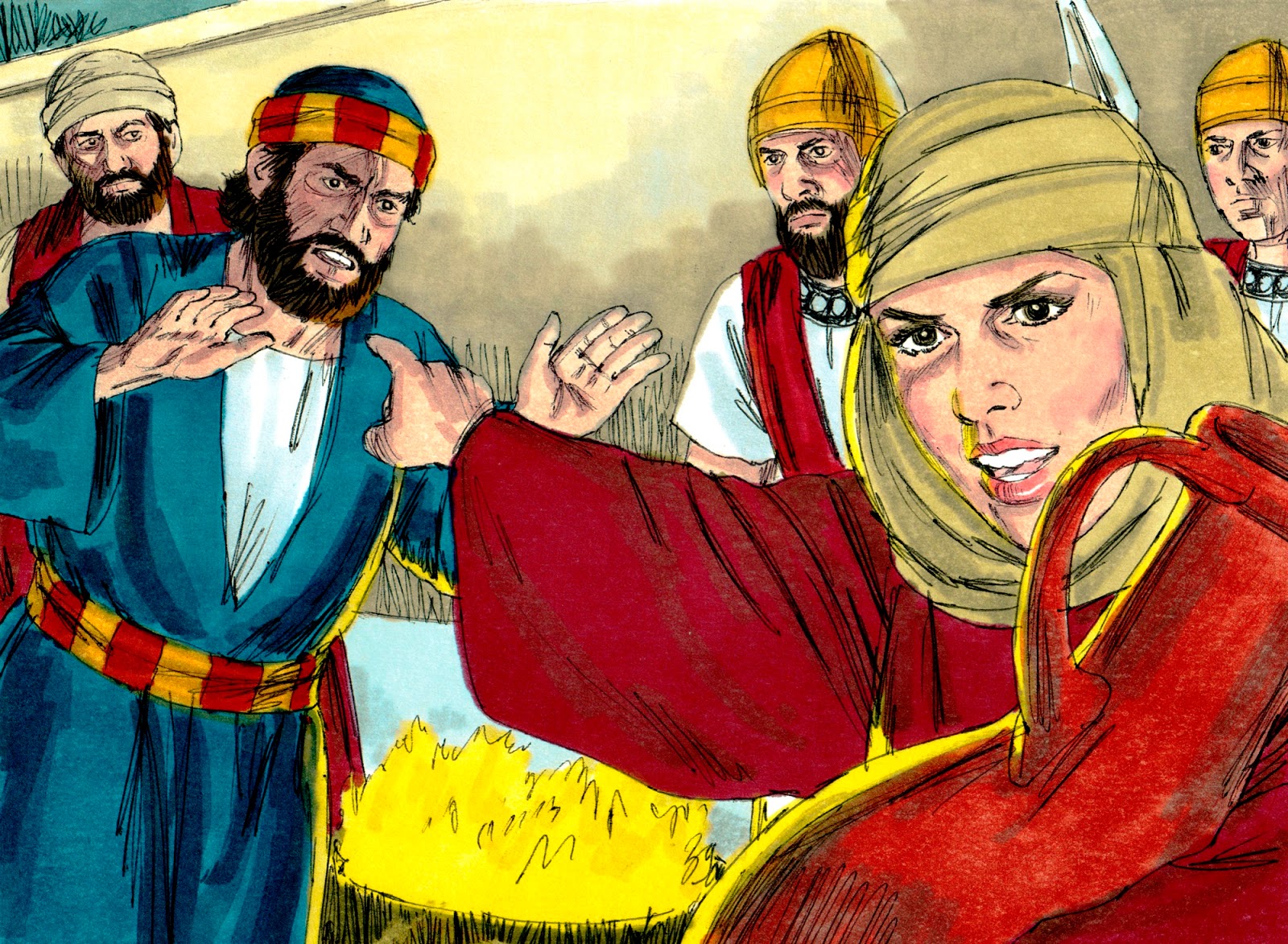
While Jesus is undergoing a travesty of a trial in the high priest’s house, Peter is sitting outside. Some servant girls identify Peter as a follower of Jesus. Peter denies knowing Him.

Later some other bystanders come over to Peter and say they can tell by his Galilean accent that he must be a disciple of Jesus. He again denies it. Then the rooster crows, and Peter remembers the words of Jesus that he would deny knowing Jesus three times.

Application

The prophecy of the Lord about Peter’s three- fold denial of Him brings a terrible burden of guilt to Peter. He weeps bitterly.

We may wonder if this prophecy was a help or a hindrance to Peter. Would he have been better off if Jesus had not warned him of his impending sin?

The Lord only does things that will bring about our greatest good. In warning Peter about this sin, Jesus was not just wanting to burden him with guilt. His intention was to prompt him to repent.

And repent he did! Peter fell for a moment, but he went on to follow Jesus faithfully for the rest of his life.

Judas was also warned about his sin, but he failed to repent, preferring to kill himself rather than facing the mercy of the Lord.

Prayer

Lord, when you convict me of my sin, either before or after the event, please give me grace to turn back to you. Amen.

Ephesians 5:6

Here is my commentary on Ephesians 5:6. I am publishing these once or twice a week, but you can read all of the available articles at our web-site, http://www.new-life.org.au

Ephesians 5:6

“Let no one deceive you with empty words, for because of these things the wrath of God comes on those who are disobedient.”

Paul wants us to beware of those who seek to deceive with empty words. The wrath of God will be poured out on those who are disobedient and continue to practise the various sins he has previously listed .

Empty words are words that have no substance to them. They are soothing phrases or comforting words, which ignore the reality of sin in the Christian community.

We can be deceived in matters of doctrine or lifestyle by outright lies. There have been many of these in the history of the church, and the church has had to deal with them vigorously. For example, early heresies about the nature of God, and of Jesus Christ were debated at great lengths in the councils of the church before definitive decisions were made.

If a preacher comes along and says that Christ was not truly human, then we know that they are trying to deceive us. If a pastor proclaims that it is acceptable to have two wives or be unfaithful to your spouse, we know that this is deception.

Empty words are different because they are seductive rather than obviously untrue. At times they may be true in general, but the application might be twisted. “ God wants the best for you” is true, but this does not mean He wants you to have the best houses, cars, or clothes.

Some preaching is little more than inspirational speaking in a christian disguise. The so-called “ feel good message” or “ seeker sensitive sermon” is deceptive because it does not address sin, redemption, or fellowship with the Lord.

In contrast to “ empty words” Paul told the Corinthians that he did not come to them with mere words alone but with the preaching of the Cross and with the power of miracles (1 Corinthians 2:1-5).

The danger of fairy floss preaching is that it lulls believers into thinking that they are leading a godly life while continually walking in habitual sin.

The wrath of God will fall on those who are disobedient.

Does this mean that God may judge his children? How can anyone be sure that they are saved?

The original Greek of this verse says “ he wrath of God comes on the children of disobedience.” In other words, there are people who might portray themselves as children of God who are in fact children of disobedience.

When we continue to walk in habitual sin that the Spirit of God and the Word of God have brought to our attention, then it is possible that we are not truly born again. This is not referring to the occasional stumble, but to a whole- hearted embrace of sin that we have carved away from the life of righteousness .

Jesus said that there will be people who worked miracles in His name, prophesied or cast out demons yet he never knew them. (Matthew 7:21-23).

This point is crucial. We live in an age when many people have been raised in church or who have prayed a prayer at a meeting to receive Jesus, but they have never entered a life of surrender to Christ. Consequently, their life is as sinful and rebellious as any non- christian. Our deeds reflect our hearts. A good tree produces good fruit, and a heart surrendered to Christ will produce spiritual fruit.

Those who have not given their hearts to the Lord, in the deepest sense of that phrase, are subject to the wrath or judgement of God. They will not be saved unless they repent and ask God for forgiveness in the name of Jesus and then live entirely for Him.

Do not be deceived by empty words and improper promises. God will not be mocked.

Key points in this verse:

  • Deception can come through bad or false teaching
  • Empty words deceive by offering false comfort and a sense of security that is not warranted.
  • If we are truly saved, our lives will grow to be more and more like Jesus

Reflection on Matthew 26:45-67

Scripture

Then they began to spit in Jesus’ face and beat him with their fists. And some slapped him, jeering, “Prophesy to us, you Messiah! Who hit you that time?”

Observation

Judas comes with a mob of men to arrest Jesus. They grab Him, but one of the disciples pulls out a sword and slashes off the ear of the High Priest’s slave.

Jesus says, “Those who use the sword will die by the sword.” He could call up thousands of angels to rescue Him, but then He would not die in order to fulfil the Scriptures.

Jesus is taken to Caiaphas the High Priest. They try to find a reason to have Jesus crucified, but even the false witnesses cannot agree on their lies.

They accuse Jesus of blasphemy and beat Him and spit on him.

Application

How awful it is that people should so seriously abuse the Son of God.

As I read this passage again just now, I am struck by the vile hatred in the hearts of these people. It is as if they are possessed by the devil, and this outpouring of hatred is satan working through them.

It is interesting (and sad) that they, the so-called Holy Men jeer at Jesus. They mock His ability to prophesy, but He knew beforehand who would slap Him.

They jeered at His role as the long- awaited Messiah, the Holy One of God who was to rescue God’s people. When the Messiah is before them, He wasn’t what they wanted or expected.

They mocked him, knowing that there really was something different about this man; something different about the miracles, the healings, the authority with which He taught.

So they spat in the face on the Son of God.

Prayer

Lord, I confess that there are times in my life when, in my sin and unbelief, I spit in your face. Please forgive me for my arrogance and anger towards you. Amen.

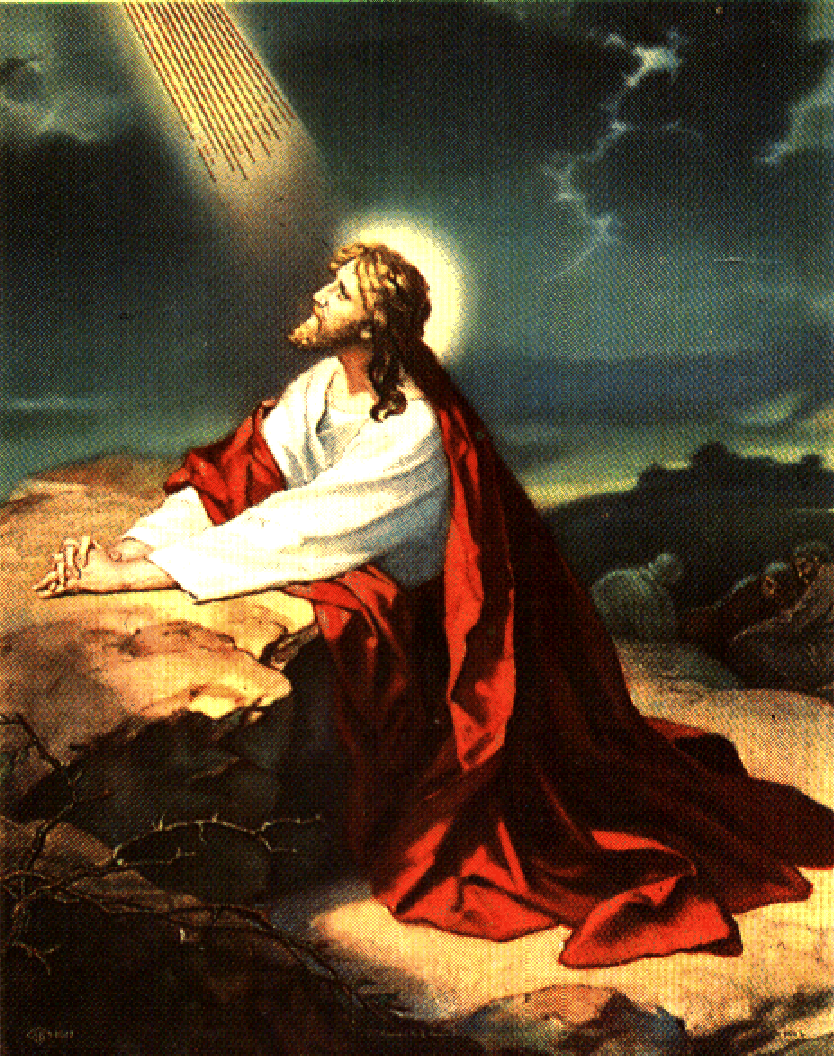
Ephesians 5:5

Here is my commentary on Ephesians 5:5. I am publishing these once or twice a week, but you can read all of the available articles at our web-site, http://www.new-life.org.au

Ephesians 5:5

“For of this you can be sure: No immoral, impure, or greedy person – such a man is an idolater- has any inheritance in the kingdom of Christ and of God.”

The warning against sin here is particularly strong. Paul certainly wants us to understand that these sins which may not seem to be so grave as, for example, murder or robbery, they are still subject to God’s wrath .

“For of this you can be sure” means there is no doubt, no equivocation, none of those “ grey areas” which we like to insert into God’s black and white judgements.

No immoral person can inherit God’s Kingdom. Any form of marital infidelity or sexual misconduct is anathema to God. All of the sexual deviations that can be imagined undermine the sacredness of marriage and the stability of families.

The world condones, even celebrates, such sins of the flesh, but God condemns them. They elevate the flesh about the spirit, sensuality over spirituality.

The message of Ephesians is that we are holy people, set apart for God. To be holy means that we must turn away from sexual sin.

Likewise, impure people will not enter the kingdom of God. Impurity suggest a mixture. We want a little bit of the world and a little bit of religion. Impure people like to think they can have Christianity as an added extra to their lives without giving up the pleasures of the world.

God is constantly seeking to refine us or purify us. He is looking for a people who are totally dedicated to Him. He will use any means possible to burn the dross out of our hearts.

Life can be hard, but for christians there is always a purpose in suffering. Often it is the fire of refining.

God cannot stand impurity, half-heartedness, or lukewarmness. This is a state of heart that deceives us into believing that sin is not so big of a deal for the christian. After all God will forgive. But God will only forgive when we can come to repentance, and if we justify our sin we will see no need to repent of it.

A greedy person will also have no part in God’s Kingdom. To be greedy is to be an Idol worshipper. A greedy person trusts in the power of their money or other possessions to keep them safe.

Jesus referred to the god of mammon. There is nothing intrinsically wrong with being wealthy, but when our heart is captivated by money or when our trust or our identity is in our wealth, then we have turned material possessions into a false god.

A greedy person finds it hard to let go of their money, to give to the poor, or to support the mission of the church. Such greed can be fatal as Ananias and Sapphira discovered (see Acts 5). Dependency on money stopped a rich ruler from following the way of Jesus.

The people that are described in this verse have no inheritance in the Kingdom of God and of Christ.

We might think that Paul is saying that these people who have presumably professed faith in Christ will get to heaven, but only by the skin of their teeth. They will have no inheritance so they will be like homeless people on the streets of Heaven.

In 1 Corinthians 3, Paul talks about the things Christians build being tested by fire. He says that some people will enter the Kingdom with nothing of value. However, these are not greedy, impure, or immoral people. They are born again christians who have failed to build anything that is of value in eternity. They were not so much greedy or immoral as misguided or lazy or selfish.

This verse simply restates what is a common theme in scripture. A heart that is truly united to Christ will result in a changed lifestyle and a change of focus.

Do we have to be perfectly sinless to enter God’s Kingdom? No, but we do need to be pursuing God, heeding the Spirit of God, and obedient to the word of God.

Key points in this verse

  • Immorality impurity, and greed are condemned by God
  • Greed is a form of idolatry
  • People who follow these things have no part in God’s Kingdom. They will not enter Heaven

Reflection on Matthew 26:31-44

Scripture

“After I have been raised from the dead, I will go ahead of you to Galilee and meet you there.”

Observation

Jesus tells them that evening they will all desert Him, the Shepherd will be struck, and the flock scattered. At the end of this, God will raise Him from the dead. Peter says that even if everyone else abandons him, he will stay. Jesus says that Peter will deny even knowing Him.

Jesus takes the disciples to Gethsemane, where He asks them to keep watch with Him while He prays. He goes on a little farther and prays to the Father.

He returns to the disciples three times, finding them asleep each time. Finally, He tells them to get up as the betrayer has arrived.

Application

Even at this time of His impending death, Jesus is trying to point his disciples to His resurrection.

This is the Good News for each of us. Every follower of Jesus shares in His resurrection. Death is not the end of the story, but a new beginning, a portal into the new eternal life.

We still have to go through death to get to life, but we will get there.

Jesus endured the cross for the sole purpose of bringing us into right relationship with the Father. He paid the price, and we receive the gift of restoration.

Life on earth is messy, tainted at every level with sin and its consequences. Death is all around us, but it does not have the final word.

We have seen how the story ends. It is life not death, love not war, health not sickness. The victory is His. Hallelujah!

Prayer

Lord God, the victory belongs to you. Thank you for the promise of eternity. I put my trust in you today, knowing that at the last day you will raise me to eternal life. Amen.

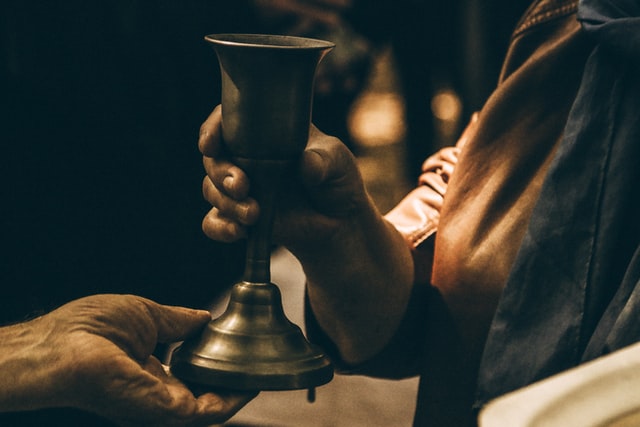
Reflection on Matthew 27:17-30

Scripture

As they were eating, Jesus took some bread and blessed it. Then he broke it in pieces and gave it to his disciples saying, “Take this and eat, for this is my body.” And he took a cup of wine and gave thanks to God for it. He gave it to them and said, “Each of you drink from it, for this is my blood, which confirms the covenant between God and his people. It is poured out as a sacrifice to forgive the sins of many”

Observation

Jesus and His disciples celebrate the Passover. While they are eating the Passover meal, Jesus tells them one of them will betray Him. Each one asks if it is them, but Jesus indicates it will be Judas.

As they are eating, Jesus takes the bread and says, “This is my Body.” Then He takes the cup of wine and says, “This is my Blood.”

At the end of the meal, they sing a hymn and go to the Mount of Olives.

Application

Jesus takes the centuries old Passover celebration and applies it to Himself. He is the Passover Lamb, the one who takes away the sins of the world. He is the one who sets His people free from the bondage of sin and into the freedom of God- centred life.

Every week, our church celebrates Communion. We pause for a few minutes and put Jesus’ death on the cross right at the forefront of our thinking. Whatever we do in the rest of he service, and whatever happens in the rest of the week, it all revolves around the death of Jesus on the cross.

Prayer

Thank you Lord Jesus for dying for me and paying the price for my sins. As you gave your life for me, I give my life to you. Amen.