Joel Comiskey: Giving Glory to God Through Cell Church Ministry

From jcgresources.com

by joelcomiskeyadmin | Jan 25, 2026 | GloryToGod | 0 comments

by Joel Comiskey, Making Disciples in the 21st Century Church

At the heart of the cell church is a simple but non-negotiable conviction: we exist to glorify God. Everything we do—meeting in homes, gathering in celebration, equipping leaders, and coaching pastors—flows from this purpose. Methods matter, but only when they serve God’s greater goal.

Glory in the Cell and the Celebration

In the cell, we see God at work in ordinary people and ordinary settings. The cell is not a program; it is a place where lives are shaped as people follow Jesus together. In the cell, we can encourage one another to become more like Christ, not for personal success or ministry results, but because transformed lives bring glory to God. As the gospel takes root in daily life, God’s character becomes visible through love, obedience, and service.

The celebration gathering reinforces the same focus. When we come together as the larger body, we worship, hear God’s Word, and rejoice in what He is doing among us. Cell and celebration are not competing priorities; they are complementary expressions of one mission. In both, the emphasis is not on performance or numbers, but on God’s faithful presence with His people.

Ultimately, God Himself is gathering a people from every nation. He is calling out a sacred assembly, and His people respond with joy because He alone is Lord. The cell church does not manufacture this movement. We simply participate in what God is already doing for His glory.

God’s Glory as the Ultimate Purpose

This God-centered vision is deeply biblical. Scripture consistently teaches that God acts first and foremost for His own glory. This truth keeps our ministry grounded and properly oriented. When God’s glory is central, our thinking flows toward Him. When it is not, the ministry easily becomes centered on human needs, preferences, or results.

God says plainly in Isaiah 48:11, “For my own sake, even for my own sake, I will do it… I will not yield my glory to another.” Paul echoes this in Romans 11:36: “For from him and through him and to him are all things. To him be the glory forever.” God’s care for people is real and compassionate, but it always fits within His larger purpose of revealing His glory.

Equipping and Coaching for God’s Glory

God’s glory reshapes how we equip and coach. We equip leaders not just to run effective meetings, but to shepherd people toward Christlikeness. We coach pastors not to chase quick growth, but to walk faithfully with God and lead others to do the same.

There are seasons when I have experienced deep discouragement, when responses are minimal and visible fruit seems slow. Yet, by his grace, I’ve been able to back to his Spirit and grace, knowing he is being glorified in my weakness. Our calling is faithfulness, not applause.

Let’s Ask God to be Glorified in All We Do

Let’s pray this simple and honest prayer:
“Lord, help me to know You more deeply. Give me grace to let You continually work in me. May everything I do—in cell, celebration, equipping, and coaching—be for Your glory alone.”

Cells- The Basic Expression Of Church

From the Joel Comiskey Blog

By Steve Cordle, https://xr.church/

When you hear the word “church,” what comes to mind? Can you imagine a healthy church that does not have a large celebration service?

The early church did. For a first-century believer, “church” did not evoke the image of a building or a large worship gathering; it would be a small group meeting in a house.

Many churches in the United States consider small groups one of the larger church’s many ministries—an optional activity for those interested in that sort of thing. They see the church’s core as the public worship service (celebration).

In reality, the cell group is the primary expression of the church. Why do I say that? Because the cell group can fulfill all the functions of the church, the celebration service cannot.

The functions of the church have been identified as worship, fellowship, discipleship, ministry, and evangelism (some add prayer and leadership.) All of these functions can be best expressed in the cell group. Only a few can use their gifts in a worship gathering with hundreds of people. In a cell group, everyone can participate meaningfully (1 Corinthians 14:6.) True community (fellowship) is fostered better in a small group than in a large gathering. Biblical discipleship takes place in the context of relationship, which is the specialty of the cell. Evangelism and outreach can be intentional and relational when done by a cell group.

If we think that the “real” church happens primarily in celebration services, then we will grow disciples who are not fully formed. Celebration services fulfill an essential role, but they are just one piece of the overall picture of the church.

Families in Cell Groups

Photo by Rajiv Perera on Unsplash

Families in Cell Groups

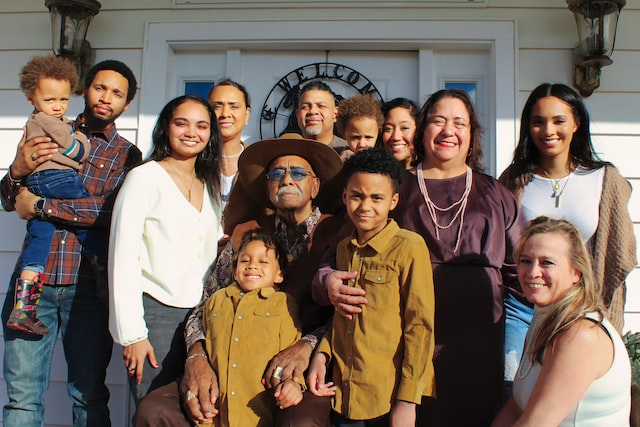
Every member of the family is created in God’s image, from the youngest to the oldest. Children are meant to be a part of the cell group. They can hear God and they can minister to other people just as powerfully as any adult.


I was talking to someone a month or so ago who said their cell group hadn’t met all year, partly because some of the children were a problem. They hosted the group at their home, but were tired of the children spending group time in their children’s bedrooms and “trashing the joint.” They were thankful when renovations made the home unsuitable for hosting the group.


My wife told these people, “If you do not include the children now, you won’t have them at all later.” We shared some resources and tips to include children in the group.


I lead a group in our church that is specifically family focused. We try to make it children friendly and also relevant to the adults. I am always sure to include worship music and some child-related videos that relate to the theme of the day. We also have a Bible passage that I encourage the children to read.


Food is important. We have the children prepare something that can cook during the cell meeting and they look forward to that for the end of the group.


Sometimes the kids are unruly, and the parents don’t discipline them or hold them accountable for their behaviour. Sometimes the adults are out of sorts and refuse to join in.


But other times I see the lights go on in the hearts of a child or a parent and I think, “Yes! God is working here, despite everything!”


Children need to be included as much as possible in group life. Some groups have a separate lesson time for children. They include the children for the Welcome and Worship segments, and then a different adult each week takes the children to another room for the Word part. That approach works, but make sure that you have child safe protocols in place- both the legal requirements for Working With Children Checks and your church policies and guidelines for children’s ministry.


Also, when you are thinking about whether the group is getting to the size where it needs to multiply (i.e. 12-14 people), make sure you count the children. They are people too, and they are apart of the inter-personal dynamics of the group.


So let’s keep on persevering in including all people of all ages in our groups, and celebrate the wonderful things that God can do.

Restoration in 2022

Cell church is, as we all know, more than getting everybody into small groups. You have to train leaders, coach them, encourage your leaders, organise an equipping track, produce cell meeting agendas.

Along the way it is easy to let some things slip.

This year, I am going to be more conscientious in coaching meetings with my leaders, as well as visiting the various groups. These are just two things that the Covid pandemic disrupted for me.

While our groups mostly managed to meet except for a few weeks, I found that the all the new things that I had to cope with (online meetings, videoing sermons etc), took so much energy that I had no ability to do these other things.

The third thing I am going to restore this year is the Equipping Track, or Growth Track as we are calling it.

Our first attempt was in a cell group which ran for two years, which was probably too long. A few years later, I ran an Equipping Track as a series of classes on Sunday afternoons. The problem with this approach for a small church is that it only takes a couple of people to miss a class, and you are wondering if the session is worth it.

We have an increasing number of people on shift work and a number of parents with young children who find it hard to attend every week at a particular time. We have some tradesmen who might be called out to a break down at any time, so they find it hard to commit to in person classes.

In 2022 I am planning to offer the Growth Track on video. Participants will then be able to access the material at times that suit them. It is possible that some cells groups might choose to do some of the modules in their group time then discuss the content together.

My hope is that in the course of this year most of my people will pass through the Equipping Track and be ready to take more responsibility.

Facilitating or pastoring a cell church is not difficult. In fact it is a lot easier than being the sole expert that many more traditional styles of church expect.

But I do have to ensure that I keep my eyes on the main goal of equipping disciples to be disciple makers.