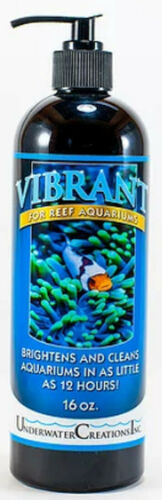
Vibrant is an additive for aquariums. A bacterial culture, it helps to eliminate algae from tanks. I’ve seen Youtube videos showing the vast improvement in various aquariums over a number of weeks.
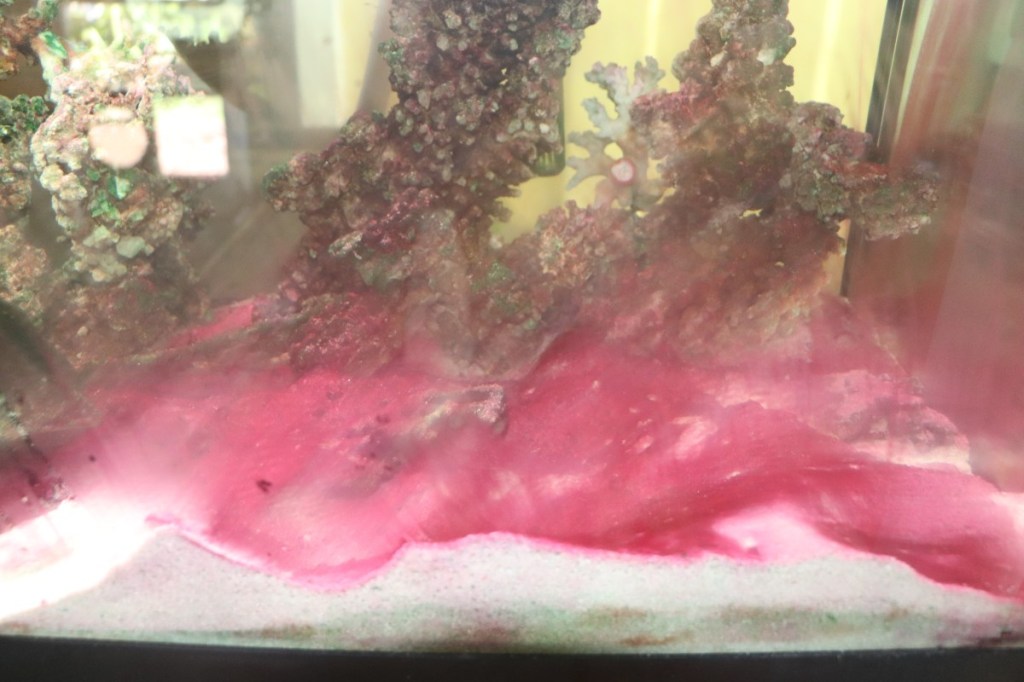
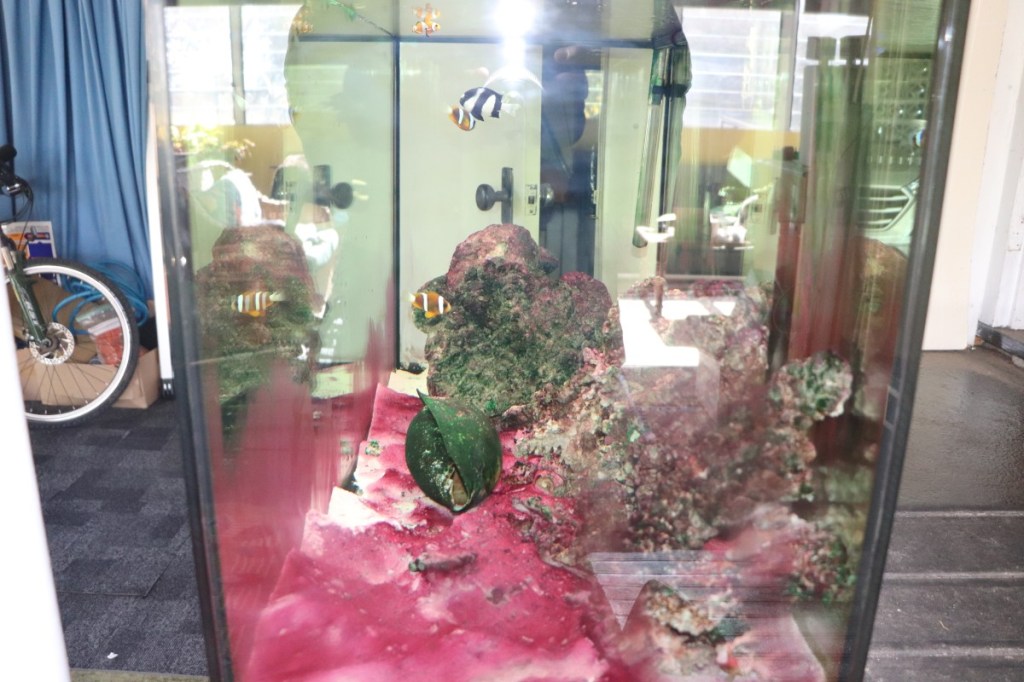
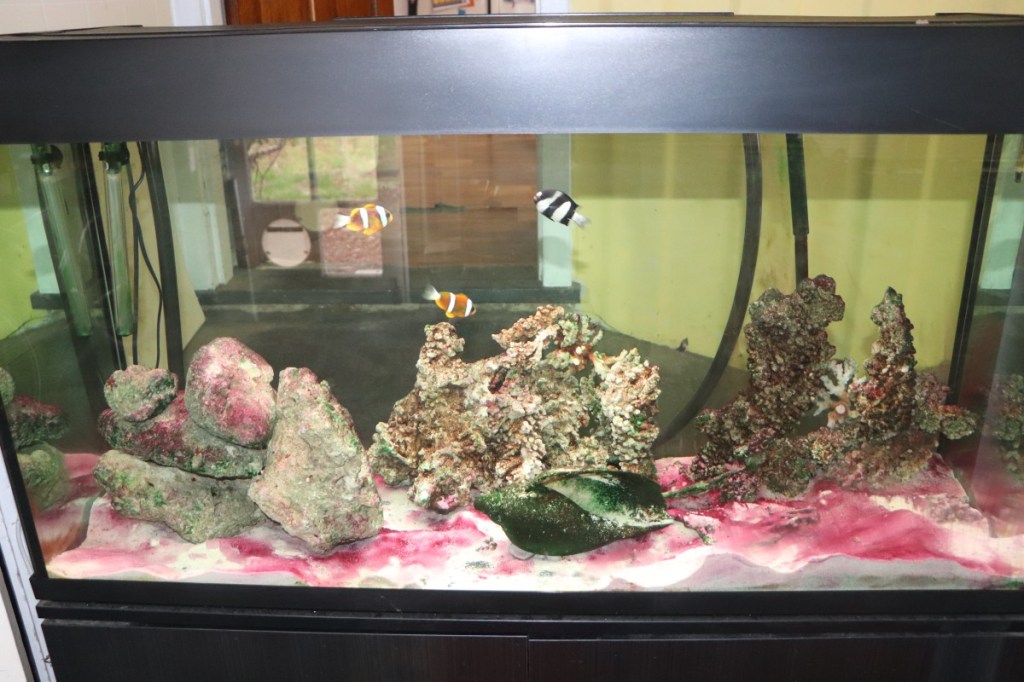
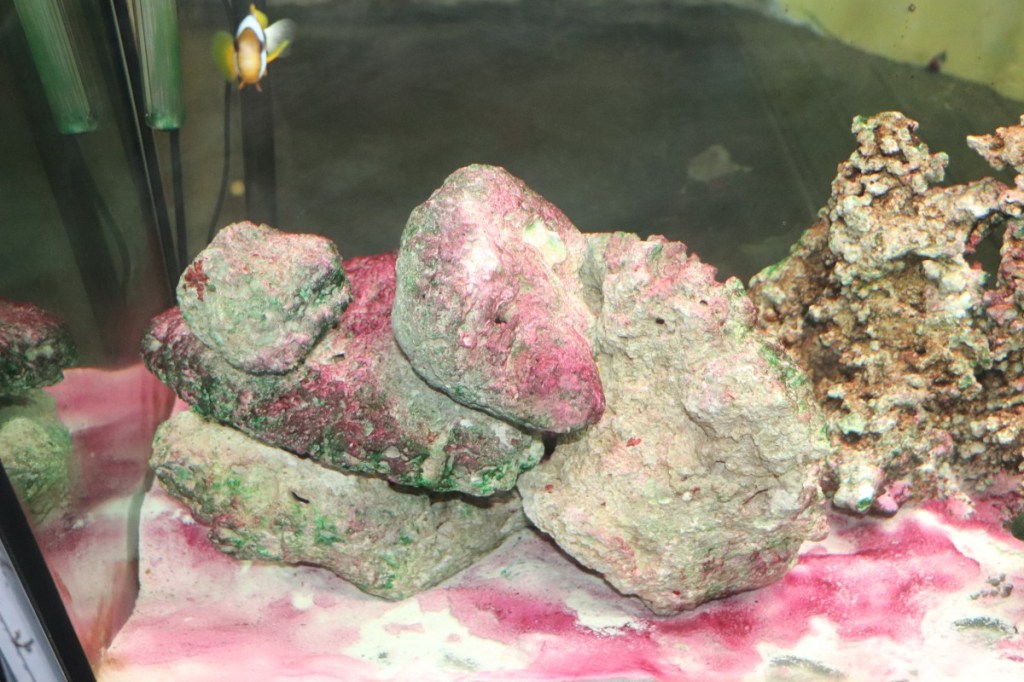
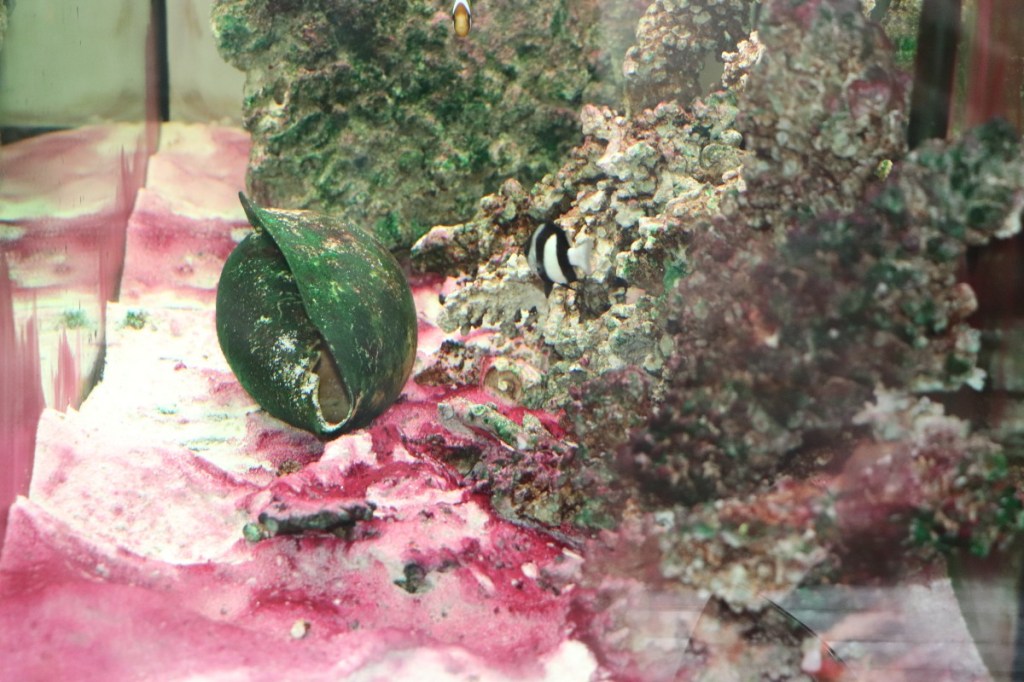
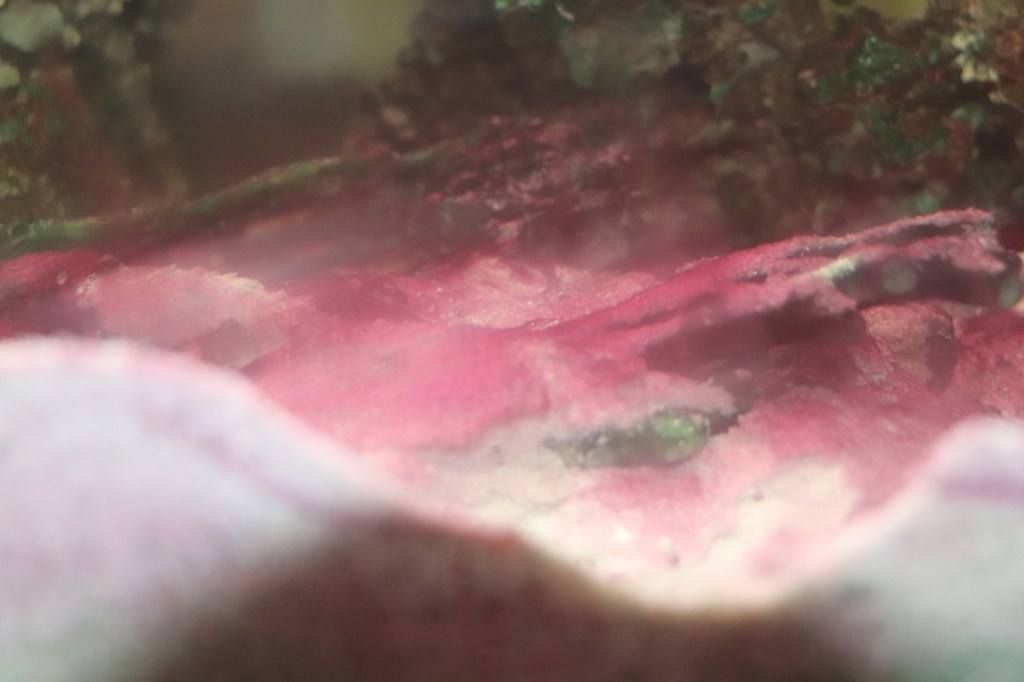
I am looking forward to using it and recording my experience in photos over the next few weeks.
The instructions are straight forward: use 1 ml per 10 gallons each week.
What?
You can’t mix unit systems like that! Every High School maths and science teacher knows (and constantly hammers it into the heads of their students) you have to use consistent units- always.
To make matters worse the bottle is labelled as containing 16 oz- which is a weight measurement. It should be fluid ounces or fl. oz.
I’m not even sure whether we are talking imperial or US gallons here. An imperial gallon (the real British unit) is 4.5 l while the poor cousin midget US gallon is just 3.9 l. Since the product is manufactured in the US it’s probably safe to assume it is US gallons.
The US and UK systems start at a good point. A fluid ounce is the volume of 1 ounce of water- an ounce is, of course, 1/16th of a pound.
So yes a US fl oz and a UK fl oz are the same. Yay for consistency!
But it crumbles rapidly from there. A pint in the UK is 20 fl oz while in the US a pint is just 16 fl oz. Congratulations to the US for a bit of internal consistency- a US pint of water then weighs 16 ounces or 1 pound. A UK pint is 20 ounces or in the words of the rhyme I learnt as a child- A pint of pure water weighs a pound and a quarter.
From there, in both systems a gallon is 8 respective pints.
What we call a 44 gallon drum in Australia is a 55 gallon drum in the US or 200 l everywhere. Of course, the standard drum can hold 218 l, so your actual volume of product may vary a little from what we call standard.
Back to the aquarium.
For many years I used to have a standard 4 foot tank (about 120 cm long), or as my wife says “120 by 14 inches.” I used to calculate a volume of 140 litres of water for the purposes of medicating the fish. You have to allow for the volume taken up by rocks, gravel etc.
My current fish tank is 118 cm long by 59 cm high by 43 cm deep. So a quick calculator gives me 299 l or 79 US gallons. That suggests it is meant to be an 80 gallon tank.
So my dosage will be 1 ml per 10 gallons or 8 ml.
That was simple.
 New Life Narrabri