Over on my Facebook page, I share quotes from books that I have been reading. This quote from “The Benedict Option” garnered a lot of mostly negative reaction: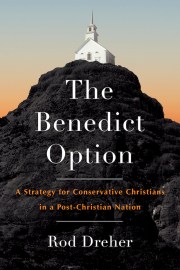
The need for liturgy is becoming clear to more and more Protestant theologians. Perhaps surprisingly for a Pentecostal, Simon Chan, a noted theologian, scholar, and writer based in Singapore, is one of a growing number of Evangelical church leaders who argue that their churches must return to the richness of liturgical worship. Evangelical ecclesiology is inadequate to the task of meeting postmodernity’s challenges, he has written. Rod Dreher
The first thing to note is that Pentecostal churches already have a liturgy, which is a fancy word for “order of service.” It is nearly always a variation of the following:
4-6 songs- 2- 3 fast songs (“Praise”) followed by 2-3 slower songs (“Worship”)
Prayer
Offering- usually preceded by an overly long exhortation to give
Communion (sometimes)- also preceded by an overly long mini-sermon
Sermon
Altar call or ministry time
If you know what is coming next than you have a liturgy, whether it is in a book or unwritten. There is nothing wrong with that because people are comfortable when they know what to expect. It doesn’t necessarily limit the Holy Spirit, but it does provide guidelines about when it is appropriate for people to pray in tongues or prophesy.
Our liturgy is a variation on this model, but when it seems appropriate we mix things up a little.
But when people talk about “liturgical worship” they usually mean a more formalised style of worship such as those found in the traditional churches. 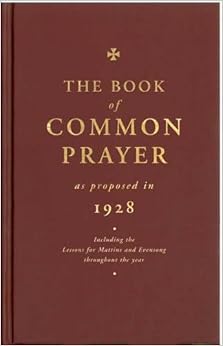
That raises the hackles of many Pentecostal and Charismatic people who see this as “dead religion.”
We can have various opinions on that, but let me share an observation about the usefulness of liturgy.
I have been to several funerals over the last few years, some of which were led by “Spirit-filled” pastors. The thing that I noticed on these occasions was that they were indistinguishable from funerals led by non-christian celebrants, except maybe there was some reference to “Jesus” or “God” and comments about the person’s contribution to the church.
The central focus in each case was the person being buried. Not Jesus. Not the Holy Spirit.
In other words the church is copying the world, and losing its unique voice in the process.
In every act of worship by the church, the gospel must be proclaimed and Jesus must be worshipped. That is why liturgical worship at these formal events of funerals and wedding, in particular, is so important.
A good liturgy keeps Jesus at the centre. The prayers, the spoken word, the music, it is all gospel proclamation. There is no waffle, no adoration of a person, no stumbled prayers,
At the other extreme where the liturgy is everything, there are issues of over formality. I remember when I first started as a pastor in a small town, someone said to me after a funeral “At least with you, we know who is being buried.” The liturgy I followed had room to thank God for the life of the person, to pray for family members by name etc. But the suggested prayers offer gospel hope and constantly refer back to the cross of Christ and His resurrection.
We can make similar observations about wedding ceremonies.
As a pastor I am always wanting to make sure that my congregation is being brought to maturity in Christ. I think that is is what the quote is getting at. The reality is that a couple of “I Love You Jesus” songs followed by a preach about “Three Ways To Boost Your Bank Balance” is not enough to impart maturity into people, even if all the sermon points start with the same letter. But knowing the Apostles Creed or The Lord’s Prayer in the kind of familiarity that comes from saying them every week can give at least a chance for the great truths of scripture to sink into the soul.

 New Life Narrabri