Eratosthenes And The Size Of The Earth

Eratosthenes And The Size Of The Earth

People in our age often arrogantly assume that we are smarter than ancient people. This is probably because we live in an information age, where the the combination of technology and widespread education makes a wide range of knowledge available to just about everybody.

Additionally the flawed theory of evolution causes us to assume we must be better than people who lived a long time ago.

This story of how a man with rudimentary measuring and calculating technology is also a reminder of how God blesses people at all ages and all nations.

So about 2200 years ago there was a very bright man called Eratosthenes who came from Greece which was then the centre of learning and philosophy. He took up residence in Alexandria in Egypt, where there was a famous library which contained all of the world’s great learning.

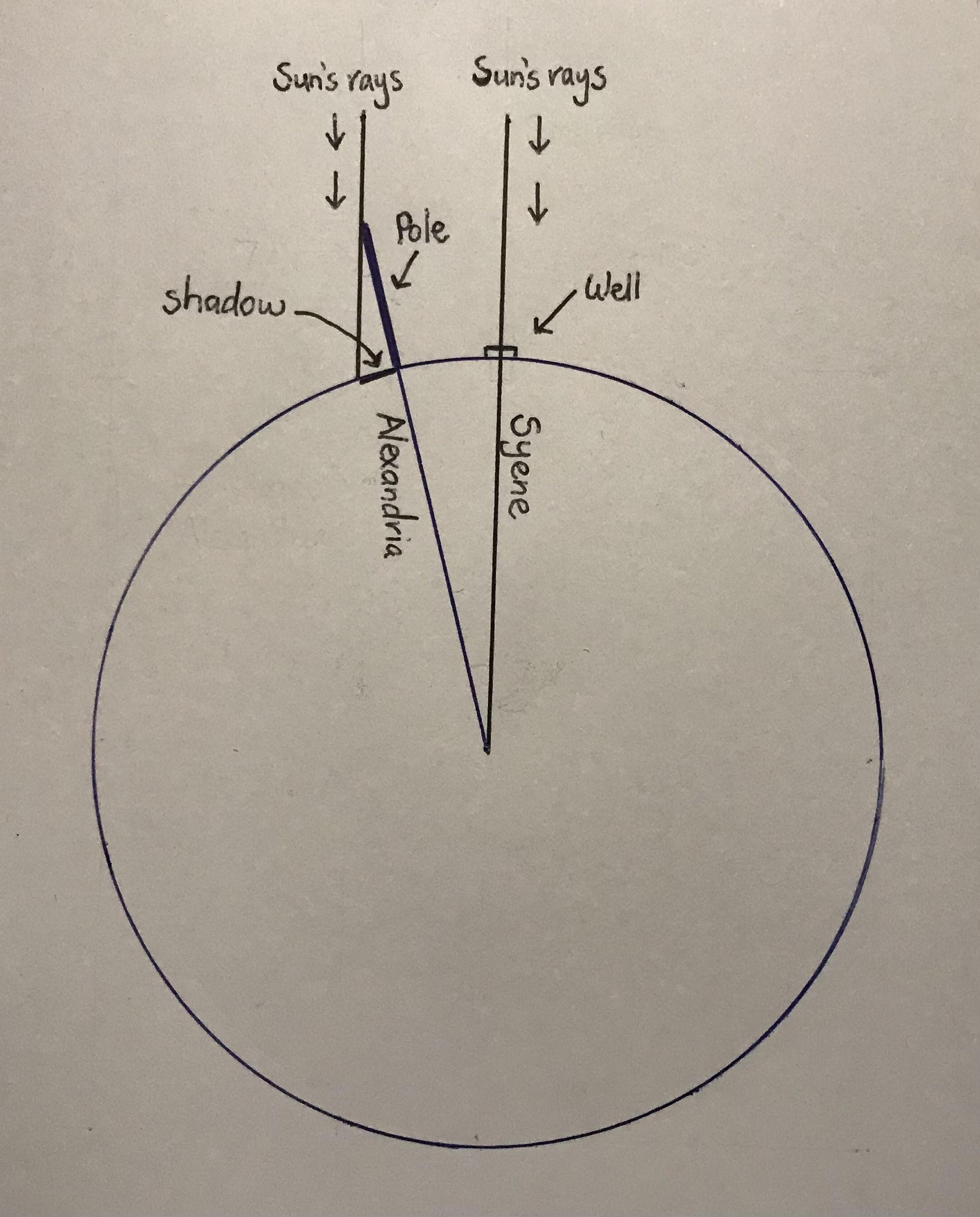
While he was living in Alexandria, Eratosthenes heard about a well in the village of Syene in the south of Egypt where there was a well, where at midday on the summer solstice the sun shone right to the water below without casting a shadow on the walls of the well. In other words, the sun at that time was directly overhead. Today we would recognise that Syene is located on the Tropic of Cancer.

This caused Eratosthenes to wonder if this held true at Alexandria, some distance to the north. So at midday on the summer solstice, he observed a vertical post in the ground and noted that it cast a shadow. So when the sun was overhead in Syene, it was not directly overhead in Alexandria.

Measuring the length of the shadow and the post he discovered that the sun was at an angle of 7.2 degrees off the vertical. This proved that the world is not flat but is a sphere. All he needed to do was find the distance from Alexandria to Syene to find out just how big the sphere is.

Apparently in the ancient world they had people called bematists whose job was to accurately pace out the distances between locations. He discovered that the distance between the two towns was 5000 stadia or 800 km.

Now here is the clever part. A complete circle is 360 degrees, and 7.2 degrees is one fiftieth of 360. If 800 km, the distance from Alexandria to Syene, represents one fiftieth of the circumference of the earth, then the full circumference is 50 x 800 km or 40,000 km.

Was he close? Yes! The pole to pole circumference is 40,008 km while the circumference at the equator is 40,075 km. That is brilliant calculation with such limited tools as he had.

So Eratosthenes drew a map of the known world with grids of latitude and longitude, and hundreds of towns and cities. This made it much easier to estimate distances than ever before, and laid the foundations of modern geography.

God created people with great intelligence. We have not evolved into higher levels of smartness over the millennia. Despite the arrogance of our age, people in the ancient world knew more than we give them credit for.

Reef Fish Not Affected by Ocean “Acidification”

Photo by David Clode on Unsplash

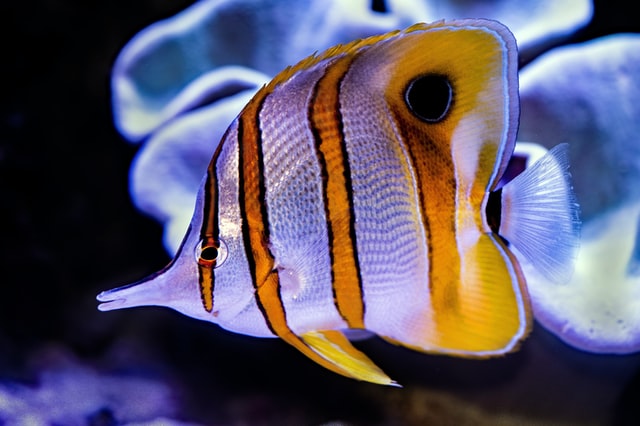
A few years back there was an alarming study out of James cook University claiming that the gradual decrease in ocean pH caused by higher levels of CO2 in the atmosphere caused fish to radically change their behaviour.

A new study says this is not true.

From wattsupwiththat.com

James Cook University Researchers Refuted: “Ocean Acidification Does not Impair” Fish behaviour

Lower ocean pH level affecting fish?

Earlier research beginning in 2009 by Prof. Philip Munday and Danielle Dixon of Australia’s James Cook University suggested that that “ocean acidification” was having dire effects on fish behavior, thus prompting the IPCC to claim in a 2014 report that it could lead to  “profound consequences for marine diversity” and the media to put out a series of climate doomsday reports.

But the alarming research results of Munday and Dixon have since been seriously challenged by a group led by fish physiologist Timothy Clark of Deakin University in Geelong, Australia in a recent paper:

A year ago the researchers published the results of a comprehensive 3-year study in the journal of Nature in a paper titled: “Ocean acidification does not impair the behaviour of coral reef fishes“.

The paper’s abstract:

Coral reef fishes are predicted to be especially susceptible to end-of-century ocean acidification on the basis of several high-profile papers4,5 that have reported profound behavioural and sensory impairments—for example, complete attraction to the chemical cues of predators under conditions of ocean acidification. Here, we comprehensively and transparently show that—in contrast to previous studies—end-of-century ocean acidification levels have negligible effects on important behaviours of coral reef fishes, such as the avoidance of chemical cues from predators, fish activity levels and behavioural lateralization (left–right turning preference). Using data simulations, we additionally show that the large effect sizes and small within-group variances that have been reported in several previous studies are highly improbable. Together, our findings indicate that the reported effects of ocean acidification on the behaviour of coral reef fishes are not reproducible, suggesting that behavioural perturbations will not be a major consequence for coral reef fishes in high CO2 oceans.”

Die kalte Sonne reports on the new findings, noting that Clark et al repeated the trials by Munday and were unable to reproduce the results:

A team of seven scientists led by Timothy Clark of the Australian Deakin University published in  the renowned journal Nature an analysis with devastating criticism of the dramatic scenarios of the Munday group.” […]

“The group of critics also expect no negative consequences in the behaviour of the coral fish also at high levels of CO2 at the end of the 21st century.”

The James Cook University however, denies sloppy science was done by Munday and his team of scientists.

The James Cook University has been caught up in controversy, especially over the firing of researcher Prof. Dr. Peter Ridd, who claims he was sacked for expressing unpopular views.

Also read more on Munday’s controversial research here.

Creation Ministries: Snakes v. Cane Toads

A good article from Creation Ministries about why snakes adapting to cane toads is natural selection not evolution

Do toads goad snake evolution?

by David Catchpoole

First published: 27 April 2006 (GMT+10)
Re-featured on homepage: 10 March 2021 (GMT+10)
toad

When leading public institutions repeatedly broadcast as fact that ‘we see evolution happening today’,1 it’s not surprising that many people believe it.

One example is a recent prime-time breakfast radio segment on Australia’s national broadcaster, ABC Radio National. The University of Sydney’s Professor Richard Shine told the presenter Fran Kelly that he and his co-researchers studying snakes have observed ‘genuine evolutionary changes’.2

What were they? Allegedly snakes are evolving to cope with the spread of cane toads across the Australian continent. (Cane toads were introduced to north Queensland in the 1930s, and have steadily expanded their range, moving south into New South Wales and west into the Northern Territory.) The changes are making snakes ‘much less vulnerable’ to the toxin in the toad’s skin. (One reason that the cane toad has spread so rapidly is its toxic gland that can kill native predators that eat it.)Creationists do not dispute natural selection—indeed it is an important part of the biblical creation/Fall/
Flood/Dispersion model, and was theorized by creationists even before Darwin!

But as the interview progressed, the discerning listener would have picked up from Professor Shine’s own words that he and his colleagues had not observed evolution at all. Rather, it was an example of natural selection acting to favour certain already-existing genetically determined traits in the snake populations. Creationists do not dispute natural selection—indeed it is an important part of the biblical creation/Fall/Flood/Dispersion model, and was theorized by creationists even before Darwin!

The researchers had firstly been able to rule out learned behaviour as a factor in this case. ‘We’ve done a bunch of trials to see if it could just be that the snakes are learning and so forth but they seem to be remarkably stupid …’, said Professor Shine, going on to emphasize the genetic basis to snake behaviour:

‘Basically you’ve got a strong genetic component to feeding responses, and some snakes really go mad on eating frogs and others really want to eat nothing but mammals and so forth, and it’s actually pretty sophisticated. And there’s a lot of work overseas showing that even within a single litter of baby snakes you’ve got genetic variation in what kinds of things they treat as prey. And it’s just that the only snakes that survive after the toads arrive are the ones that happen to be born with a set of genes saying: “If it looks and smells like a cane toad, don’t eat it.”’

And genetically-determined physical attributes such as the snake’s head dimensions and body size are key factors too.

‘Essentially the size of the toad you can eat depends on the size of your head, so if you’ve got a small head you can’t eat a very big toad.’

So, if you’re a snake, having a small head stops you eating big toads, which have more poison, therefore helps you to survive. And having a big body helps as well:

Read the full story here

Hundreds of Scientific Papers Say There Is No “Climate Change”

From wattsupwiththat.com comes this interesting revelation that last year there were 148 scientific papers that state there is no global warming.

What Global Warming? 148 New (2020) Scientific Papers Affirm Recent Non-Warming, A Degrees-Warmer Past

By Kenneth Richard on 14. January 2021

Scientists continued defying the “unprecedented” global warming narrative by publishing nearly 150 papers  in 2020 that show large regions of the Earth (a) haven’t warmed in recent decades, (b) were as-warm or warmer within the last several centuries, and/or (c) were 1-7°C warmer than today just a few millennia ago.

Here is the link to the 2020 (and 2019) Non-Global Warming scientific paper database:

Non-Global Warming Studies From 2020 & 2019

Below are 8 examples of the 148 non-global warming papers published in 2020.

Read the full article here, together with extracts from some of the papers.

Earth’s Optimal Temperature?

Apparently the optimum temperature for life on other planets is 5 C warmer than Earth, but only 1.5 C of warming will kill us all


From wattsupwiththat.com

Earth’s Optimal Temperature?

By Robert Vislocky, Ph.D.

From the “whatever happened to the 1.5* C tipping point” school of climate, researchers have identified 24 planets that are likely to be more suitable for life than Earth.

Here is news release from Washington State University and accompanying journal article:

https://news.wsu.edu/2020/10/05/planets-may-better-life-earth/

The paper:
https://www.liebertpub.com/doi/10.1089/ast.2019.2161

What is especially eye-catching is the criteria behind why these planets are considered super-habitable:  “older, a little larger, slightly warmer and possibly wetter than Earth.” Say what? How can warmer & wetter be better for life on Earth? Aren’t we near a tipping point where another 0.5* C of warming becomes an existential threat to humanity, as claimed by certain climate scientists, news outlets, and politicians?

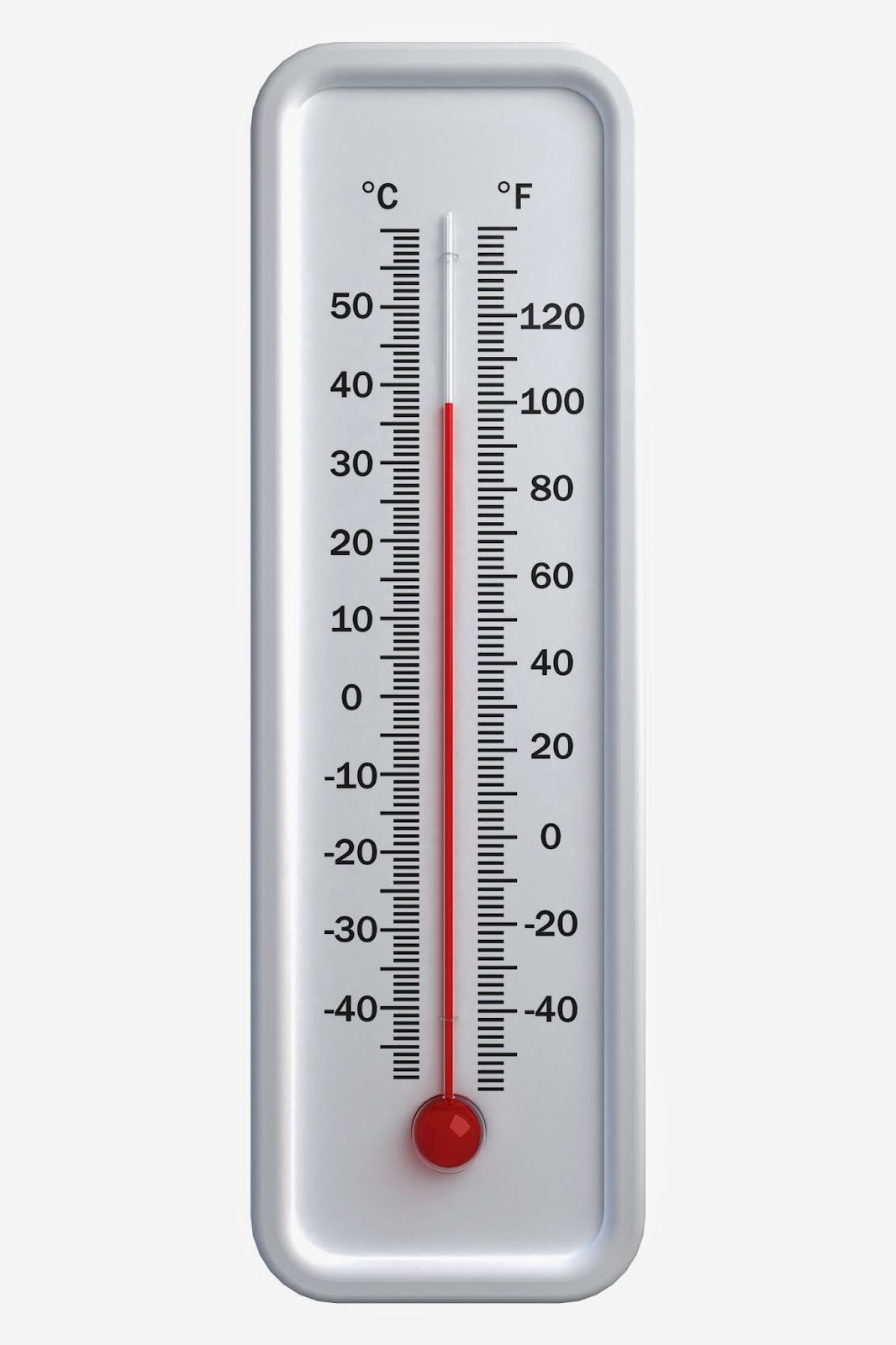
Even more intriguing is what the researchers (the lead author of which is a geobiologist) consider to be “slightly warmer”. This is clarified farther into the article where it states “a mean surface temperature of about 5 degrees Celsius (or about 8 degrees Fahrenheit) greater than Earth, together with the additional moisture, would be also better for life.” Wow!!

That certainly blows away the so-called 1.5* C tipping point, which we all know is a number picked out of a hat for political reasons. More importantly, their research begs the deeper question on exactly what is the optimal temperature for life on this planet. This is certainly a question which should be addressed before implementing any public policy (such as the Green New Deal) that could significantly impact the economy and quality of life.


Forget Slow-and-Gradual—New Study Says Life “Emerged Fully Formed”

From Answers in Genesis comes this report that scientists are thinking abut creation as a potential explanation for the beginning of life.


Forget Slow-and-Gradual—New Study Says Life “Emerged Fully Formed”

by Ken Ham on August 20, 2020

 
Share: 


For decades scientists have debated when, how, and where the first life supposedly evolved. Various hypotheses abound: maybe RNA came first; perhaps life evolved around hydrothermal vents; maybe life arrived on an asteroid—but none have satisfied everyone, due to significant problems with each one. And now an old idea has been revived and refined: maybe there was a “chemical big bang,” and life arose spontaneously in a river, with all the major components in place all at once.

As this article from New Scientist states,

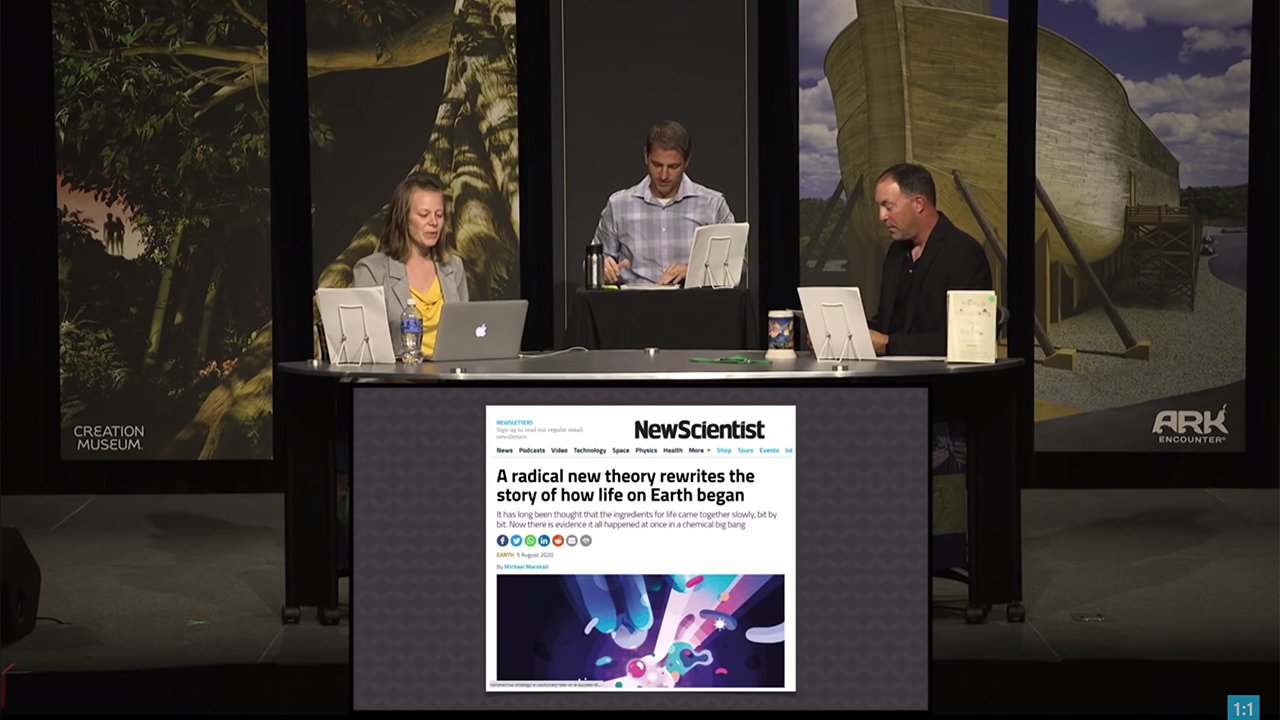
It has long been thought that the ingredients for life came together slowly, bit by bit. Now there is evidence it all happened at once in a chemical big bang.

In other words, it used to be that life evolved so slowly you couldn’t see it happening, and now it happened so fast we missed it!

The article explains that life requires, at the bare minimum, “three core systems”: an outer membrane, the ability to metabolize, and the ability to reproduce using genes. Chemical evolutionists have a problem when it comes to trying to explain the origin of life—you need all three of these systems at the same time for life to even be imaginable. So scientists have argued over which came first, but now some say all three came at the same time. That’s a pretty fortunate set of circumstances!

In other words, it used to be that life evolved so slowly you couldn’t see it happening, and now it happened so fast we missed it!

Geneticist Dr. Georgia Purdom says of this study,

The scientists correctly define what you need for life—something to contain it (membrane), ability to make/utilize energy (metabolism), and ability to reproduce. They’ve given up on bacteria being the first living organism because they know how complex even these “simplest” organisms are. Since none of their other ideas about which came first have panned out, they’ve decided that all three requirements for life must have evolved at once from “Goldilocks chemistry.”

Just like Goldilocks is a fairytale, so is their idea for the origin of life!

So just the right molecules interacting under just the right conditions in just the right place led to a living organism. Just like Goldilocks is a fairytale, so is their idea for the origin of life! All of the research to develop this idea has depended on the scientists adding just the right chemicals (e.g., iron, sulfur) in just the right conditions (e.g., UV light), meaning intelligent design was needed, and they still didn’t end up with anything living! Life only comes from life (the law of biogenesis), and life only comes from the Creator God.

The popular summary of the study concludes with,

Of course, all this depends on the everything-first idea proving correct. Szostak’s protocells and the new biochemical insights have won over many researchers, but some pieces of the puzzle are still missing. Perhaps the most persuasive argument is that the simpler ideas don’t work. As is the case with many things in life, the beginning was probably more complicated than we had thought.

So the strongest support for this origin of life story is this: that the alternatives don’t work? Maybe that’s because life didn’t arise by natural processes! Really, their story is nothing more than a “just-so” story because they have to somehow explain the origin of life without God. They’d rather put their faith in the unbelievable—that something as complex as life could just pop into existence—than put their faith in the One who made them. And not just any “One,” but the only One true God: the Creator God of the Bible.

And information systems don’t just pop into existence. Information only comes from other information and, ultimately, a mind (in this case the mind of the Creator).

Life shows the fingerprints of the Designer. Just consider one of the three categories for life—the ability to reproduce using genes. This requires an information system to code the instructions needed to assemble life. And information systems don’t just pop into existence. Information only comes from other information and, ultimately, a mind (in this case the mind of the Creator).

Just as information only comes from information and, ultimately, a mind, so life only comes from life and, ultimately, the Lifegiver. These researchers, studying the incredible complexity of life, are without excuse for denying the Creator’s existence (Romans 1:20).

Good News For Pollution Reduction

From the University of Sydney

Engineers use electricity to clean up toxic water


Powerful electrochemical process destroys water contaminantsUniversity of Sydney engineers have used electricity to clean up heavily polluted industrial wastewater. They hope the findings will help wineries, pharmaceutical manufacturers and other industries that must comply with strict wastewater regulations.

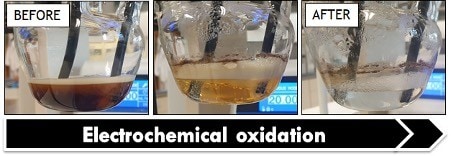
Julia Ciarlini Junger Soares showcasing her work at the University of Sydney. The researchers used an advanced oxidation process that eliminated stubborn organic aqueous pollutants. Credit: Julia Ciarlini Junger Soares, University of Sydney

A team of engineers may be one step closer to cleaning up heavily contaminated industrial wastewater streams. 

Researchers from the School of Chemical and Biomolecular Engineering developed an electrochemical oxidation process with the aim of cleaning up complex wastewater that contained a toxic cocktail of chemical pollutants. 

“Our study, published in Algal Research, involved industrial wastewater that had been heavily contaminated with a cocktail of organic and inorganic species during a biofuel production process”, said Julia Ciarlini Junger Soares, who is completing a PhD in Chemical and Biomolecular Engineering under the supervision of Dr Alejandro Montoya.

The wastewater, which contained carbon, nitrogen and phosphorus, was generated in a pilot plant, designed by the team for the production of biofuels using naturally abundant microalgae.

The process involved treating wastewater with electricity using specialised electrodes. They discharged electricity, then drove oxidation reactions near the electrode surfaces, transforming the organic contaminants into harmless gasses, ions or minerals.

“We have employed an incredibly powerful process that eliminates even the most persistent non-biodegradable pollutants, such as pharmaceuticals and pesticides, as well as various classes of organic compounds that can be found in many industrial effluents,” she said.

The water before, during and after treatment. Credit: Julia Ciarlini Junger Soares, University of Sydney 

“The process is relatively simple, does not require the addition of chemicals or severe operation conditions, and does not produce additional waste streams.

“Wastewater is a significant issue for our environment, as well as for many industries who use substantial volumes of water in their processes, such as in reactions, transport, and washing and cooling. Finding suitable solutions for reuse or disposal is often very challenging and costly. 

“The electrochemical method that we used can be readily applied to industries that must comply with strict regulations for wastewater disposal, such as pulp and paper processing, wineries, as well as pharmaceutical production facilities.

“Worldwide, researchers are investigating methods for the development of biofuels from algae. Developing alternatives for the treatment and reuse of this industrial effluent is a hot research topic and can bring opportunities for energy and resource recovery within a circular bio-economy framework.”

The team will soon carry out research focused on specific contaminants to better understand the chemical transformations that take place during electrochemical oxidation and will upscale the process.

A 2017 UNESCO report found that the opportunities from exploiting wastewater as a resource were vast, and that safely managed wastewater is an affordable and sustainable source of water, energy, nutrients and other recoverable materials. 

Covid Models Were Wrong, and Modellers Unwilling to Learn!

From the University of Sydney:

Did COVID-19 models get it wrong? Professor Sally Cripps explains


Leading statistician analyses COVID-19 modellingRenowned University of Sydney statistician, Professor Sally Cripps, examines the efficacy of COVID-19 modelling as part of an online analysis with colleagues from Stanford University and North-Western University.

Did COVID-19 models in the United Kingdom and the United States get it wrong?

As part of an online discussion between an international group of researchers, including Stanford University Professor of Medicine John P.A. Ioannidis and Northwestern University statistician, Professor Martin A. Tanner, University of Sydney statistician Professor Sally Cripps discusses the efficacy of the two countries’ COVID-19 modelling efforts, with recommendations on how countries – including Australia – can better prepare for uncertainty.

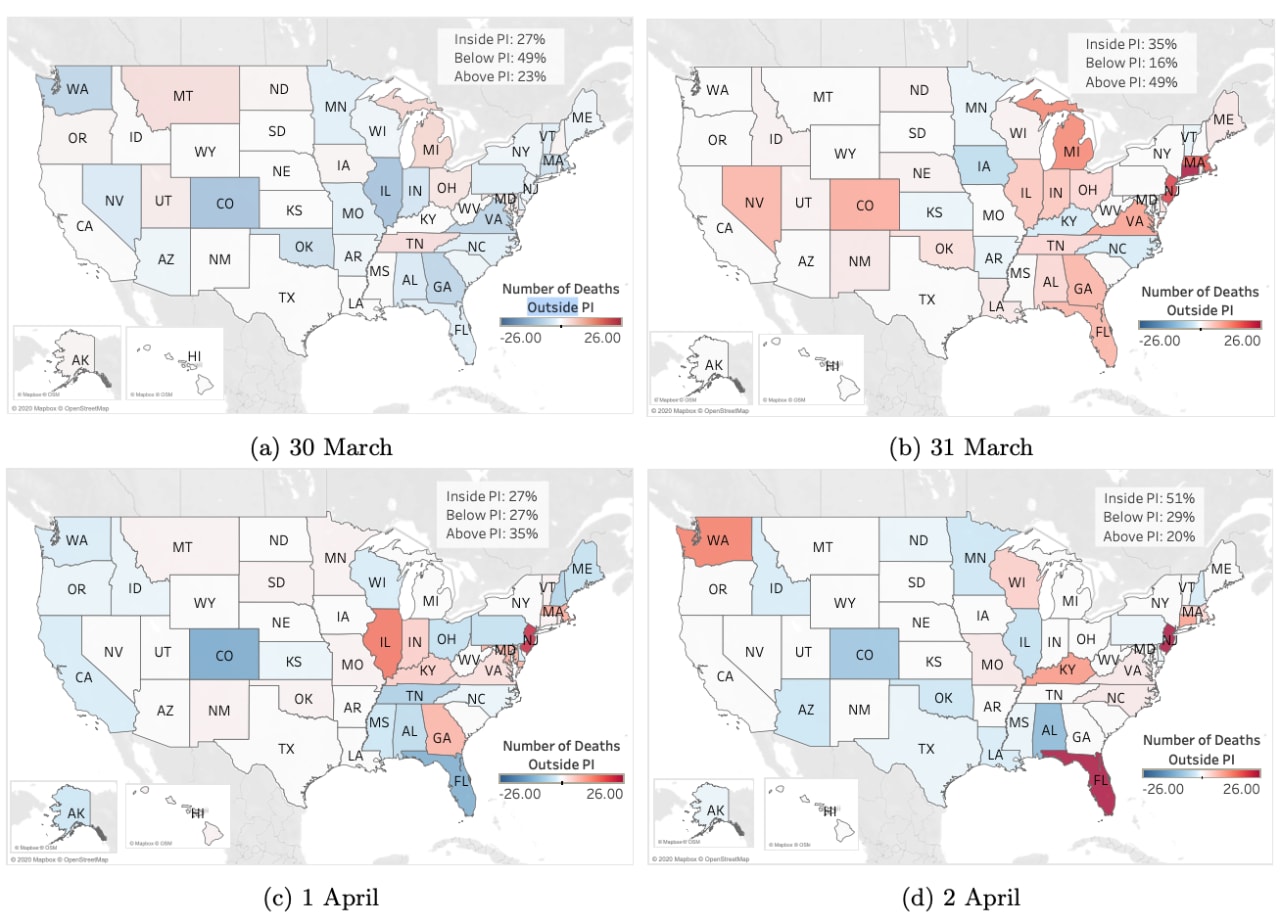
In April, Professor Sally Cripps alongside US colleague, Professor Martin A. Tanner found that over 70 percent of US states had death rates that were inconsistent with IHME predictions. Credit: Centre for Translational Data science. 

COVID-19 models got it wrong in that they failed to forecast with any degree of accuracy daily death counts even when the forecast was for one day in advance. In addition they failed to accurately quantify uncertainty,” said Professor Cripps, who is the Director of the University of Sydney Centre for Translational Data Science and the ARC Industrial Transformation Training Centre for Data Analytics for Resources and Environments

“But that doesn’t mean all modelling is bad or ineffective. In fact, what this scenario represents is an opportunity to learn and do better. Modellers have tried to justify their faulty models rather than learn from their mistakes.” At the outbreak of the COVID-19 pandemic, societal lockdown was the sensible thing to do. Australia acted swiftly in that regard, but now we need to find a way out. 

“At the outbreak of the COVID-19 pandemic, societal lockdown was the sensible thing to do. Australia acted swiftly in that regard, but now we need to find a way out.

“Though lockdowns minimise COVID-19 deaths, there are many studies which show that lockdowns increase domestic violence, as well as increase deaths from cancer and heart attacks.

“We need to develop models which have multi-criteria functions that allow governments to better understand a measure’s effect across all of our society.

“We also need access to reliable data, and models that are validated and continuously reappraised for their performance in real-time.”

As of 26 June 2020, COVID-19 had claimed almost 125,000 lives in the United States and over 43,000 in the United Kingdom.

DISCLOSURE:

Professor Cripps conducted an analysis on the efficacy of COVID-19 modelling efforts as part of an ongoing online discussion with international colleagues, Stanford University Professor of Medicine John P.A. Ioannidis and Northwestern University statistician, Professor Martin A. Tanner. The discussion has been published by the International Journal of Forecasters

Chocolate is Good For You!

Photo by Nathana Rebouças on Unsplash

From The Week comes this fantastic news:

Study finds that eating chocolate is good for your heart

Eating chocolate at least once a week reduces the risk of heart disease, new research has concluded. After studying 330,000 participants, the team found that eating chocolate more than once a week reduced the risk of developing coronary heart disease by 8%. “Moderate amounts of chocolate seem to protect the coronary arteries but it’s likely that large quantities do not,” warned a researcher.