

Scripture
Then Jesus explained his meaning: “I tell you the truth, corrupt tax collectors and prostitutes will get to the kingdom of God before you do.”
Observation
The priests and elders come to Jesus as He teaches in the Temple precinct. They demand to know in what authority Jesus teaches. He responds by asking them if John’s authority came from heaven or from himself.
The leaders recognise the trap in this question. If they say John’s authority came from heaven, Jesus will ask why they rejected John. If they say it was human authority, then the people will turn on them because John was recognised as a prophet.
Jesus goes on to tell a parable about a man with two sons. He asks them to go out and work in the vineyard. The older son says, “No”, but then goes anyway, and the younger one says “Yes” but stays inside.
Application
The truth is that many people whom we look down on will turn to Jesus and be in God’s kingdom. Those who claim to be righteous but refuse to obey God will not enter into God’s kingdom at all. They will end up in the torment of hell.
There are many people who claim to be born again, even Spirit-filled, but they have not surrendered their hearts and their wills to Jesus. They have said the “sinner’s prayer,” but their heart was untouched by the grace of God.
To be a wicked person is a terrible thing, but it does enable a person to recognise they need a Saviour. To be a self-righteous person may lead to disaster, because such a person thinks they are right with God when they really are not.
Prayer
Father, grant me a humble heart that I always live in dependence on you. I pray for everyone I know who is not yet right with you, both the wicked and the self-righteous. Lord bring them to the place of true repentance. Amen.
While freedom is very personal, it is not self-centered. In our freedom, we still live a life that is submitted to the Lord. Our freedom is not the ability to do whatever we want, but instead it is the ability to do what is right. Bill Johnson

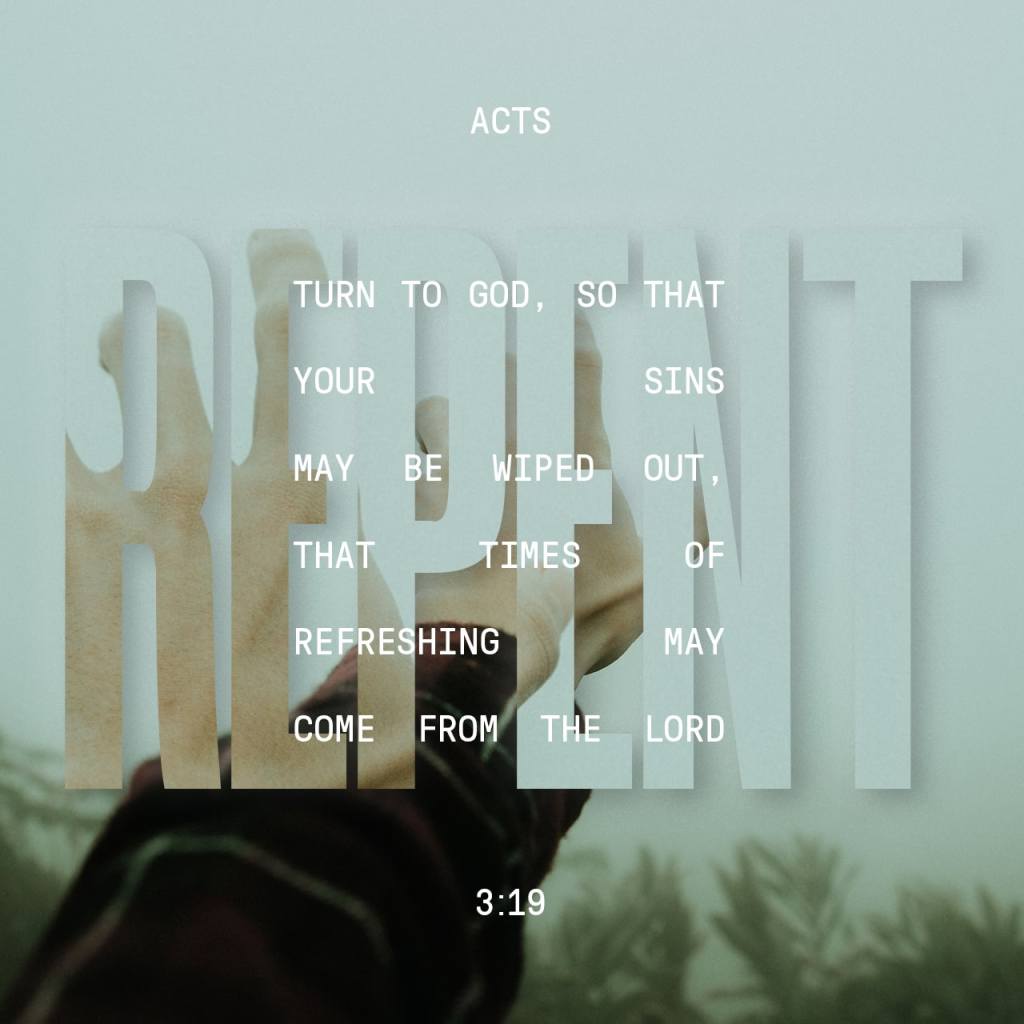


The Bible should lead us into an ever-growing relationship with the Father, Son, and Holy Spirit. As God brings us into encounters with Him through His Word, faith is released into our lives. Bill Johnson

Here is my commentary on Ephesians 4:29. I am publishing these once or twice a week, but you can read all of the available articles at our web-site, http://www.new-life.org.au
Ephesians 4:29
“Do not let any unwholesome talk come out of your mouths, but only what is helpful for building others up according to their needs, that is may benefit those who listens.”
The words that come from our mouths reflect the reality of what is in our hearts. Just as it is humanly impossible for thieves to become generous givers (v.28), this change of heart that leads to a change in our speech can only come through the power of the Holy Spirit.
The word translated “unwholesome” in the NIV actually means corrupt, rotten, or putrid. Paul users this word for effect. We could say “ disgusting” if we wanted to be more accurate to his intent.
There are many forms of “ unwholesome talk” or” putrid words” that come from the mouths of Christians. We need to ensure that our words reflect the glory and purity of God.
Swearing is one such area. The casual dropping of words that were once considered beneath contempt and not suitable for speaking in public has become standard speech for many people including Christians.
Gossip is based on the actions and supposed motivations of other people. Gossip is always negative and seeks to pull down the standing of other people. We need to build up rather than pull down. Gossip is nearly always false.
Slander is a direct attack on the reputation of another person. It might be lies about what another person has done, or a telling of just part of the truth. We need to be careful that the words we speak about others are both true and build up their reputation amongst the brothers and sisters in the church.
Lies are a repudiation of the truth. Christians are supposed to be people of the truth as we follow Christ who said “I am the Way, the Truth and the Life.” We live in a post- truth age, but God is still requires us to speak only words of truth. Lying takes various forms in which we try to promote our own self interest at the expense of facts, and often the expense of other people.
Our unwholesome talk can take the form of inciting others to violence or to hatred. We promote false stereotypes that result in particular individuals or groups suffering unfairly.
There are two keys to not letting unfair unwholesome talk come out of our mouths .
First, we need to let the Holy Spirit completely renew our minds. If we don’t think it we can’t say it. Romans 12:2 says, “Do not conformto the pattern of this world,but be transformed by the renewing of your mind. “
We musttake seriously the doctrines that people bear the image of God, and that God loves all people. As a follower of Christ, how can I use words to injure a person for whom Christ died?
When we find that ungodly thoughts go through our heads, we need to confess them to the Lord and ask him to change our brains.
The second key is to apply a filter to our speech. Some people just blurt out every thought that goes through their heads. We need to think before we speak, and ask ourselves whether we need to say this thought out loud, or whether we should speak it in a more godly way.
We should only speak what is helpful for building up others.
In our conversations we should seek to build up the people we are speaking with or about. This doesn’t mean that everything has to be a kind of mindless positivity. it does mean that we must use a words to edify, exhort, and encourage. Our conversations are opportunities to help others to go deeper in Christ, to seek positive choices not negative.
We are to build others up according to their needs, that it may benefit those who listen.
Our words and conversations need to be other focused. Just as thieves are required to turn their attention from getting to giving (v.28), so all of us who speak and listen must turn our attention to someone else.
It is often noted that most people engage in conversation with their focus on themselves. While another person is speaking, we are looking for what we are to say next.
If we are trying to build others up according to their need, then we will be looking for what the person is needing rather than what can we say next. We listen to the words, the tone of voice, to what is not being said. How would Jesus respond to this person?
This posture in relating to others turns us around so that in our speaking and listening we are seeking to love our neighbour.
if I’m consciously wanting to love this person I am speaking with, then there will be no space, no reason, no desire for putrid or corrupt talk. All that will be in my head is how can I help this person?
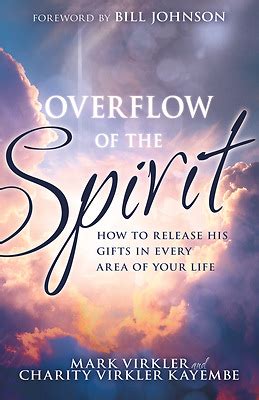
These keys for receiving the Holy Spirit are described in Mark Virkler’s book, “Overflow of the Spirit.” They are important for receiving the baptism in the Holy Spirit and the gift of tongues, but also in our regular renewal or refilling of the Holy Spirit.
I believe also that these are important keys in praying for revival, community transformation and any personal breakthrough.
1. Believe. Hebrews 11:6 says “And it is impossible to please God without faith. Anyone who wants to come to him must believe that God exists and that he rewards those who sincerely seek him.” Whatever we are praying for we must believe that God is wanting to give it to us. We are not talking about weak belief here but a deep trusting heart conviction that God is good and He blesses those who come to Him.
2. Desire. Do you really want more of the Holy Spirit? Do you really want revival? Are these things sweeter to you than ice cream on a hot day? Are you desperate for God to move?
3. Ask. It’s not enough to say “If it’s God’s will He will do it.” He partners with us and expects us to intercede for that which is important to us. James 2:2-3 says, “You want what you don’t have, so you scheme and kill to get it. You are jealous of what others have, but you can’t get it, so you fight and wage war to take it away from them. Yet you don’t have what you want because you don’t ask God for it. And even when you ask, you don’t get it because your motives are all wrong—you want only what will give you pleasure.” We have to ask and make sure that our asking is done with the motive to honour the Lord.
4. Unity with our brothers and sisters. We must ensure that there is no hint of contempt or even hostility and quarrelling with our christian brothers and sisters. God will not overflow in those who are at odds with His family. Confess this sin and seek the Lord’s forgiveness.
5. Yield. Every part of my will, body and mind must be submitted to God and to His purposes. I must set aside every personal ambition, pride, self-direction and totally surrender myself to God. To receive tongues I must yield my tongue, mouth and mind to Him. For other breakthroughs I must let go of my personal ambitions, expectations and judgements.

