Reflection on Matthew 21:12-22

Scripture

Then Jesus told them, “I tell you the truth, if you have faith and do not doubt, you can do things like this and much more. You can even say to this mountain ‘May you be lifted up and thrown into the sea’, and it will happen.”

Observation

Jesus enters the Temple and drives out the people buying and selling animals for the sacrifices. He rebukes them for turning the house of prayer into a den of thieves.

The blind and lame come to to Jesus in the Temple. He heals them there. Even children are shouting praise to God, but the leaders are indignant.

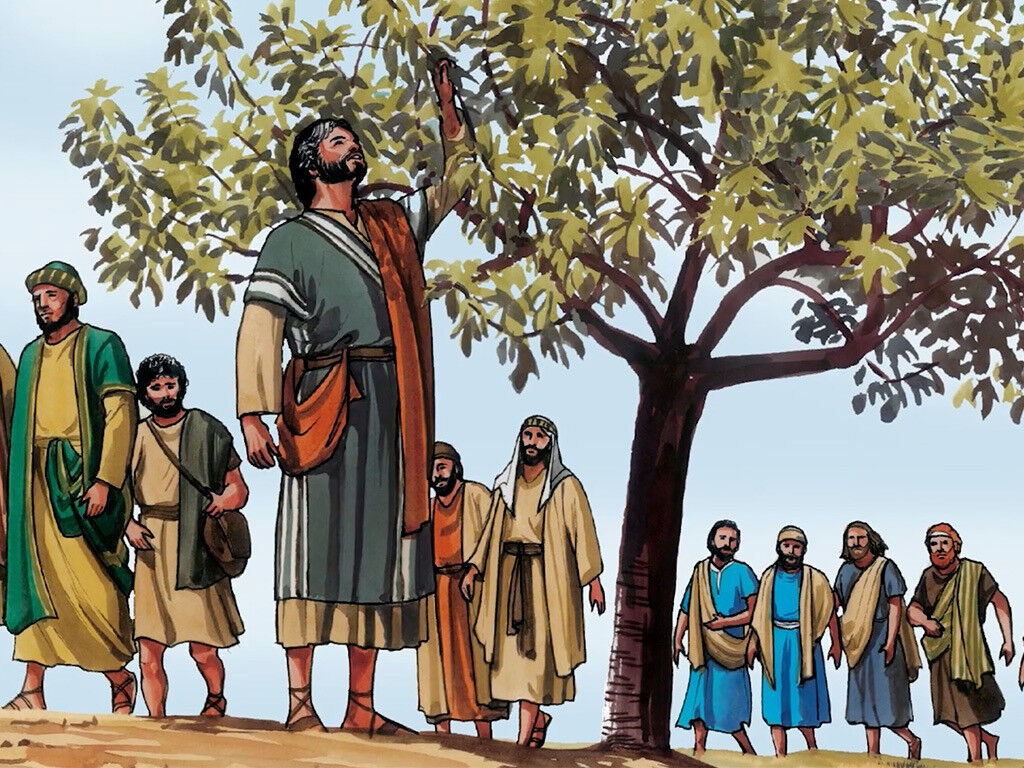
The next morning, Jesus sees a fig tree with no fruit, so He curses it. It immediately withers. He tells the disciples that with faith they will do much greater things than this.

Application

With faith and prayer we can achieve impossible things for God’s kingdom. Jesus gives the example of commanding mountains to relocate to the sea, but there are many other things that we can achieve through constant, passionate and prolonged prayer.

Physical healing comes to mind. Verse 14 says that Jesus healed the lame and blind in the Temple. The people of God should be healers of the sick, especially in the context of worship.

Lately we have been re-viewing the “Transformations” videos produced by George Otis Jr thirty years ago. In these productions, Otis documents how cities and regions have been transformed by the power of the Holy Spirit. At the heart of all these cases, there was passionate prayer born from desperation for their community. This is surely a greater miracle than a mountain being moved.

Whatever the issue, Jesus reminds us that breakthrough miracles happen in response to faith and prayer.

Prayer

Thank you Lord for the power of the Holy Spirit, unleashed when people pray in faith. Please help me to see where you are at work and to be faithful in prayer. Amen.
Ephesians 4:28

Here is my commentary on Ephesians 4:28. I am publishing these once or twice a week, but you can read all of the available articles at our web-site, http://www.new-life.org.au

Ephesians 4:28

“He who has been stealing must steal no longer, but must work, doing something useful with his own hands, that he may have something to share with those in need.”

In any church that is successfully winning people to the Lord, there will be some, perhaps many, who have come from a place where they have made an income from various dishonest means.

The Greek word for stealing here means pilfering, that is small time theft such as shoplifting or picking pockets, Rather than violent robbery or fraud. nonetheless, what Paul speaks of here should equally apply to these other forms of theft.

The principle here is that followers of Christ should never have to resort to dishonest means to survive. He has promised to supply what we need. To steal, then, under any pretext, is a sign of unbelief, that we do not trust our Lord.

To some people, this way of living seems easier than the drudgery of a nine to five job. It becomes a habit to steal rather than to work.

Paul says clearly here that if you were a thief before you came to Christ, you must stop this now and turn to an honest living.

Paul says that rather than stealing, such people should turn to working with their own hands. The Greek word here is korato which means the kind of physical labour which makes you tired at the end of the day. Rather than taking the easy route of theft, Paul says they must work hard for their living. In many senses, this is the most fulfilling kind of work, resulting in things being produced by our hands.

We are were created to be productive. This is clear from Genesis 2, where Adam and Eve were meant to co- labour with God in tending His creation. Unemployment can lead to despair and depression, a sense that we are not useful for anything .

The purpose of work is not just to earn an income with which to feather one’s own nest. People in the world are very good at finding ways to spend their cash on their personal comforts and entertainment. They see this as a reward for working hard. Once we have paid for our basic needs of food and shelter, we can believe that what’s left over is ours to spend as we like.

Paul says that the goal of working is to have something to share with others. Instead of focusing on what I can do with “my” money, Paul is saying that we must use it to meet the needs of other people.

In our very self-centred society, that is a strange notion. Surely we want to feed our family and ourselves. No, we work to feed those in need.

For people who are used to meeting their own needs by taking from others, this is a total reversal. They are to stop taking from others to gain an income, and instead they must work hard in order to give to others.

In the natural, this sort of lifestyle change is inconceivable. A leopard cannot change its spots. Christ turns us all around. Repentance is about a change of thinking that leads to a change in action. So, in Christ those who used to be thieves become generous donors. Their eyes move from themselves and their own needs to others and their needs.

Key points in this verse

  • Thieves who come to Christ are to stop stealing
  • All followers of Christ must find honest ways to support themselves
  • God honours productive work
  • The goal of working is to earn an income in order to share with the needy, not just for our own comfort
  • The kind of transformation that sees a thief become a generous giver is only possible in Christ

Reflection on Matthew 21:1-11

Scripture

Tell the people of Jerusalem,

“Look your king is coming to you.

He is riding on a donkey-

Riding on a donkey’s colt.”

Observation

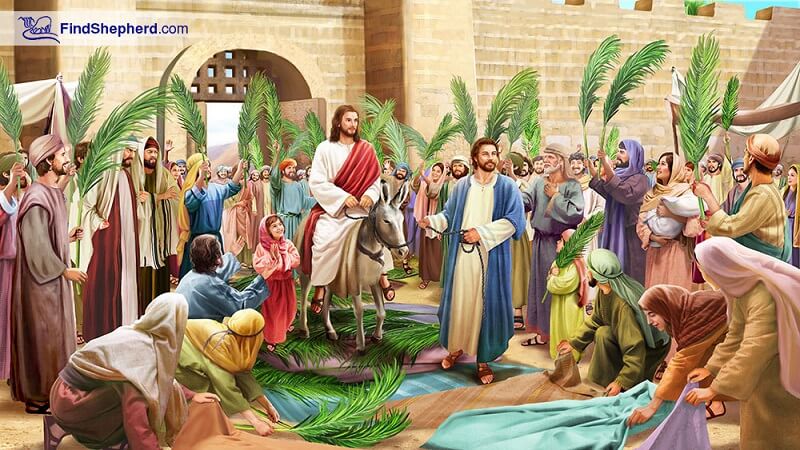
Jesus and His disciples come to Bethphage near Jerusalem. He sends two of His disciples into the town to collect a donkey. This is done to fulfil a prophecy in Zechariah 9:9 that Jerusalem’s king would come in humility on a donkey.

The crowd spreads garments and palm branches on the road ahead of Him. They shout “Hosanna to the Son of David!”

People in Jerusalem ask who it is they are making a fuss about. The people in the crowd tell them it is Jesus of Nazareth, a prophet.

Application

When I first came to know Jesus, it was as the loving and compassionate Son of God. At the time I was lost and not sure of where I fitted in the world. Jesus came to me and overwhelmed me with His love and peace.

This is the Jesus we see n the gospels, and particularly in the last week of His life on earth.

Yes, He is the King of Kings and the Lord of Lords. Yes, He will judge every single person that ever lived. Yes, He will conquer the most tyrannical of political and military rulers.

But He is the Lord of love, and He reigns in gentleness.

Jesus never coerces or instils fear.

He is firstly humble and gentle.

His followers, too, must excel in humility and gentleness. For many of us this does not come easily. We want our way and we want it now.

We follow a King who rides on a donkey not on a war horse. He lives by dying and wins by giving up everything.

Prayer

Father please help me to live a life marked by gentleness and humility. Amen.